
Menu Development and Gross Profit
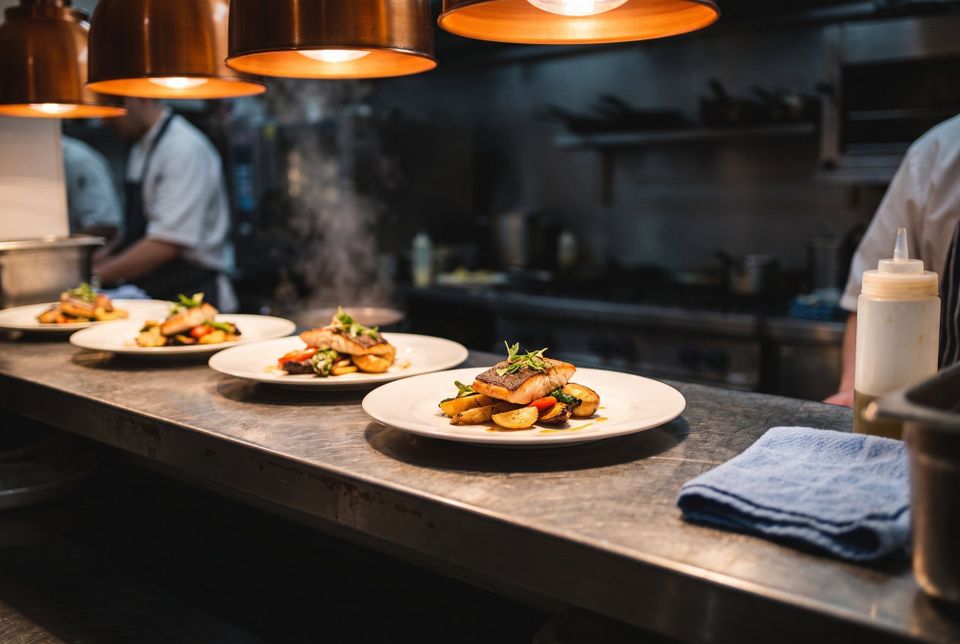
A menu is not a list of dishes. It is the single biggest lever you have over gross profit, and in most kitchens nobody has looked at it properly in two years.
I cost menus for restaurants, cafés, hotels, gastropubs and contract caterers across Cardiff, Newport, Swansea, Bristol and Gloucester. 35+ years in the trade, cooking and buying, means I can usually see where the margin is going before I have finished reading the menu.
What usually goes wrong
Most menus start with what the chef wants to cook, and there is nothing wrong with that. The trouble is what happens next, when nobody puts a commercial frame around the creative decisions.
The pattern is nearly always the same. Two or three dishes that sell well and barely make money. An ingredient carried for one dish that nobody else uses, so it sits there and gets thrown away. Portions that feel generous because a chef plated them once at the start and never weighed them since. Sections that confuse a guest instead of steering them. Seasonal changes made on instinct rather than on last year's numbers.
None of that is hard to fix once you can see it. The difficulty is that from inside your own business it is close to invisible, because you look at that menu every day.
How I work on a menu
Costing every dish
Every dish costed properly, to the gram, at the prices you actually pay rather than list. That gives you a real gross profit figure per dish instead of an average across the menu, which is where the truth usually hides.
Popularity against profit
Sales mix against margin. The dish you are proud of and the dish that pays your rent are rarely the same dish, and knowing which is which changes what you put at the top of a section.
Rebuilding the menu
Repositioning the dishes that earn, reworking the ones that nearly do, and taking off the ones that never will. Often it is not a new menu at all. It is the same menu with three changes and a different running order.
New dishes and recipe costing
Where you need new dishes, I develop them with your team, on your section, with a costed recipe card at the end of it. A dish that only works when the head chef is on is not a menu item, it is a special.
Purchasing and specification
Food cost is as much about buying as it is about recipes. I look at what you are paying, what you are specifying and where a change of cut or supplier gets you the same plate for less.
Hitting a GP target
If you have a number to hit, I work to it: costing, portion control, pricing and menu structure, with a figure at the end you can measure rather than a feeling that it went better.
Who this is for
Independent restaurants and bistros, hotel food and beverage operations, gastropubs and food-led bars, cafés with a serious food offer, contract caterers in workplace, education and healthcare, and event caterers. If food is a real part of how the business makes money, the same arithmetic applies.
Creative and commercial at the same time
I care about the food. Building dishes that excite people and look right on a plate is the part of this job I enjoy most.
But a restaurant is a business. A dish that wins praise and runs at 45 per cent food cost is a problem, however good it tastes. Both things have to be true at once, and a menu that only manages one of them will not last.
Get in touch
If you want to know where your menu is actually making money, get in touch for a free initial consultation. There is more on how a menu project runs.
I work on menu development in Gloucester, Cardiff, Newport and Bristol, plus Swansea and the surrounding areas.