How Commercial Kitchens Can Cut Costs While Going Green in 2026
In the fast-paced world of the UK catering industry, sustainable sourcing has evolved from a niche trend into a business imperative. As we enter 2026, customers are increasingly demanding eco-friendly practices from their favourite eateries. Recent research shows that around 90% of restaurant diners favour strong sustainable practices, with many willing to add an average of 9% to their bill for a planet-friendly dining experience. This shift isn't just about ethics—it's about smart economics. For commercial kitchens across the UK, adopting sustainable sourcing strategies can slash operational costs while boosting revenue through enhanced customer loyalty. In fact, 70% of diners are prepared to pay more for meals at establishments committed to environmentally friendly practices, highlighting the direct link between sustainability and profitability.
The good news for UK caterers is that going green doesn't require massive upfront investments. Many eco upgrades in commercial kitchens deliver immediate cost savings, from reduced energy bills to lower waste disposal fees. With sustainability trends in the UK catering industry pointing towards stricter regulations like Extended Producer Responsibility (EPR) and Deposit Return Schemes (DRS), now is the time to act. Businesses that embrace sustainable sourcing in UK commercial kitchens can not only comply with these changes but also gain a competitive edge. At On the Pass Consultancy, we specialise in helping UK caterers navigate this landscape, turning eco-friendly initiatives into profitable strategies.
Why Sustainability Matters for UK Commercial Kitchens in 2026
The UK catering industry is at a pivotal moment. Sustainability trends in 2026 emphasise measurable actions, such as reducing waste, opting for local sourcing, and integrating low-carbon menus. Consumer preferences are driving this change: 68% of UK consumers view sustainable food positively, associating it with better nutrition (35%) and environmental protection (55%). Younger generations, in particular, prioritise eco-conscious dining, with seven in ten favouring reward schemes for sustainable practices.
Beyond customer appeal, sustainable sourcing in the UK helps commercial kitchens combat rising costs. Energy prices remain volatile, and food waste contributes to significant financial losses—UK hospitality businesses throw away millions in avoidable waste annually. By focusing on eco-friendly catering practices, operators can achieve cost savings through efficient resource use. For instance, adopting energy-efficient appliances in commercial kitchens can cut energy costs by up to 40%, while also reducing environmental impact. This dual benefit of cutting costs while going green makes sustainability a no-brainer for forward-thinking UK caterers.
Regulatory pressures are mounting too. In 2026, the full rollout of EPR rules will hold producers accountable for packaging waste, pushing the entire supply chain towards circular economy practices. Commercial kitchens that proactively adopt sustainable sourcing strategies will not only avoid penalties but also unlock efficiencies, such as resilient supply chains that mitigate disruptions from climate events or economic shifts.
Quick-Win Sustainable Changes for Immediate Payback in UK Commercial Kitchens
Implementing sustainable sourcing doesn't have to be overwhelming. Here are some practical, quick-win changes tailored for UK commercial kitchens that offer rapid returns on investment. These strategies focus on reducing waste, conserving resources, and optimising operations—key to eco-friendly catering in the UK.
Switch to 100% Renewable Electricity Tariffs
One of the simplest ways to green your commercial kitchen is by switching to a 100% renewable electricity tariff. Many UK providers offer these at prices comparable to standard options, easily found via comparison sites. This move not only lowers your carbon footprint but also stabilises energy costs amid fluctuating fossil fuel prices. For high-energy users like commercial kitchens, this can translate to substantial savings—up to 20-30% on bills when combined with energy-efficient practices. Plus, it appeals to sustainability-conscious customers, enhancing your brand's reputation in the competitive UK catering market.
Install Pre-Rinse Spray Guns to Slash Water Use
Water efficiency is crucial in commercial kitchens, where dishwashing alone can account for massive usage. Installing pre-rinse spray guns can cut water consumption by up to 70%, directly reducing utility bills. These devices use low-flow technology to remove food residue efficiently, saving thousands of litres per shift. In the UK, where water costs are rising, this upgrade pays for itself within months. It's a prime example of how sustainable sourcing and practices in UK commercial kitchens lead to immediate cost reductions while promoting eco-friendly catering.
Compost Food Waste with Local Firms
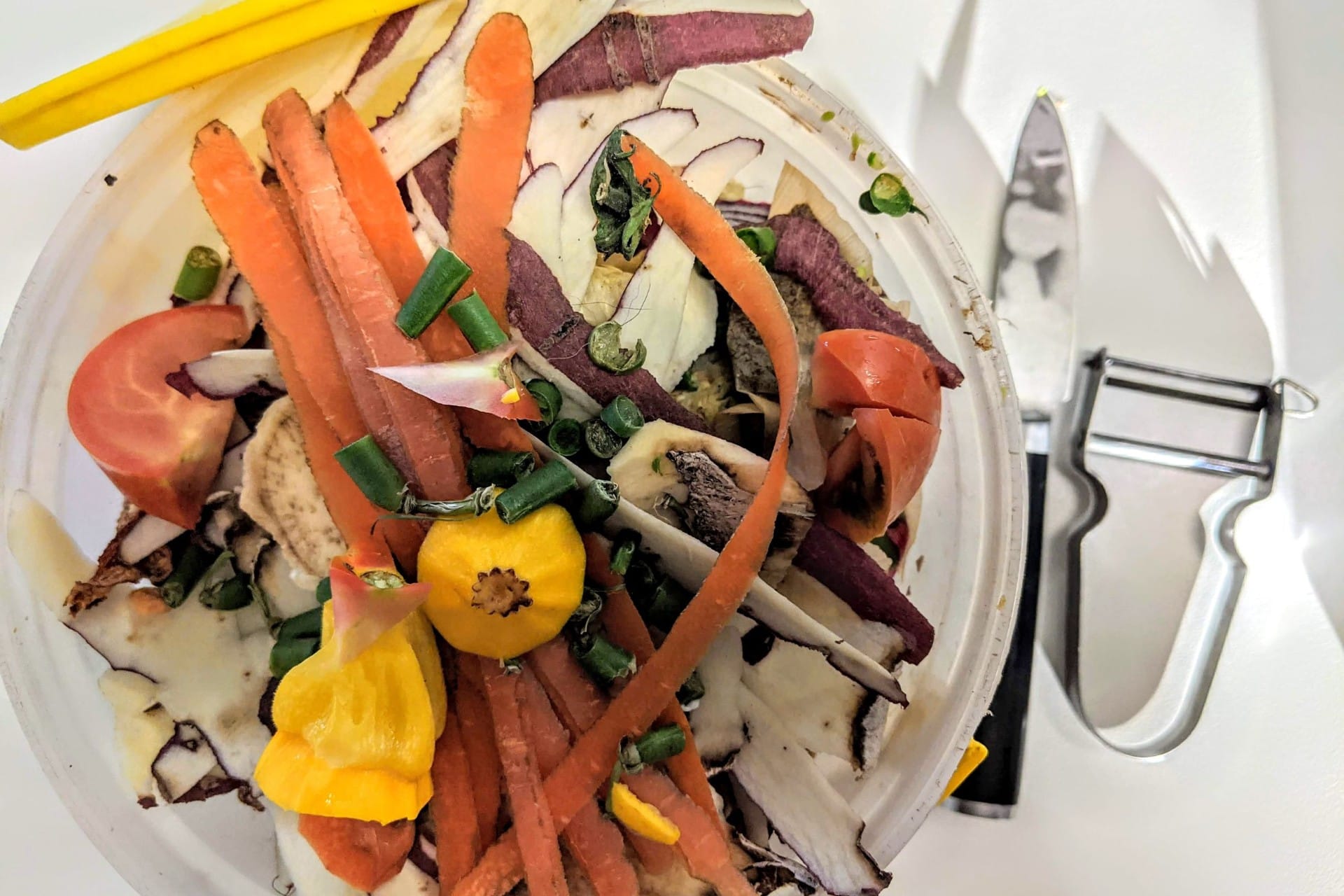
Food waste is a major issue in the UK catering industry, but composting offers a win-win solution. Partnering with local composting firms can divert organic waste from landfills, and some even pay per tonne collected. This not only cuts disposal fees—often £100+ per tonne for landfill—but also generates nutrient-rich compost for local farms, closing the loop in sustainable sourcing. Adopting a first-in, first-out (FIFO) inventory system alongside this can further minimise waste, potentially saving UK caterers 5-10% on food costs annually.
Use Compostable Packaging for Deliveries
With takeaway and delivery booming in the UK, switching to compostable packaging like Vegware or BioPak is essential for eco-friendly catering. These materials break down naturally, reducing plastic pollution and aligning with 2026 sustainability trends. While initial costs may be slightly higher, the long-term savings come from customer loyalty—diners are increasingly seeking out sustainable options—and compliance with upcoming EPR regulations. Many UK suppliers now offer bulk discounts, making this a cost-effective green upgrade.
Buy British Seasonal Produce for Lower Carbon and Costs
Sourcing British seasonal produce is a cornerstone of sustainable sourcing in UK commercial kitchens. It reduces transportation emissions—lowering your carbon footprint—and is often cheaper due to shorter supply chains. For example, opting for UK-grown vegetables in season can cut procurement costs by 15-20% compared to imports. This practice supports local farmers, enhances menu freshness, and resonates with customers who prioritise "better for the planet" options.
To maximise these quick wins, consider staff training on sustainable practices. Educating teams on energy-efficient behaviours, like turning off equipment when not in use, fosters a culture of efficiency and can amplify savings.
Certifications That Attract Premium Customers in the UK Catering Industry
Certifications lend credibility to your sustainable sourcing efforts, attracting premium customers willing to pay more for eco-friendly catering. In 2026, these badges are more than labels—they're marketing tools that differentiate your commercial kitchen.
MSC for Sustainable Fish
The Marine Stewardship Council (MSC) certification ensures your seafood comes from sustainable sources, preventing overfishing. For UK caterers, MSC offers benefits like improved market access, a reputational boost, and even price premiums—100% of certified businesses report these gains. It's ideal for menus featuring fish, signalling to diners that your choices protect ocean health.
Red Tractor for Meat and LEAF Marque for Veg
Red Tractor assures high welfare standards for UK-sourced meat, while LEAF (Linking Environment And Farming) marque promotes sustainable vegetable farming. These certifications build trust, with diners associating them with ethical, local production. They're straightforward to integrate into supply chains, enhancing your eco-friendly catering credentials.
B Corp Accreditation
B Corp certification is a rigorous process verifying high social and environmental performance. UK businesses must score 80+ on the B Impact Assessment, undergo verification, and commit to transparency. With a growing waiting list, starting now positions your commercial kitchen as a leader. Benefits include motivated employees and increased customer loyalty, making it a worthwhile investment for sustainable sourcing in the UK.
Soil Association Catering Mark
The Soil Association Catering Mark offers bronze, silver, or gold levels based on fresh preparation (75%+ dishes), ethical sourcing, and sustainability standards. Backed by annual inspections, it endorses caterers committed to UK welfare minimums for meat and eggs, attracting health-conscious patrons.
Case Studies: Real-World Success in Sustainable Sourcing
Real examples illustrate the power of these strategies. Take a 90-cover farm-to-table restaurant in the Cotswolds: After redesigning sourcing and waste streams with On the Pass Consultancy, they achieved zero waste to landfill and cut overall costs by 9%. This involved seasonal British produce, composting partnerships, and energy-efficient upgrades—proving sustainable sourcing drives profitability.
Another inspiring case is Apricity in London, a low-waste restaurant focusing on sustainable sourcing. By emphasising plant-based options and circular practices, they've earned a Michelin Green Star and built a loyal customer base. Similarly, Pret A Manger has committed to sustainable ingredients and carbon labelling, appealing to eco-conscious UK diners and reducing their environmental footprint.
These stories show that UK commercial kitchens can thrive by going green, with measurable cost savings and customer growth.
Overcoming Challenges and Looking Ahead
While the benefits are clear, challenges like initial costs or supply chain shifts exist. Solutions include starting small with quick wins and partnering with consultants for tailored advice. In 2026, AI tools for menu optimisation and waste tracking will further streamline sustainable practices.
Looking forward, sustainability trends in the UK catering industry will prioritise plant-based innovation, regenerative farming, and transparent reporting—opportunities for commercial kitchens to lead.
Partner with On the Pass Consultancy for Your Green Journey
At On the Pass Consultancy, we help UK commercial kitchens build profitable sustainability strategies, from supplier introductions to full carbon-footprint reporting. Whether you're implementing quick wins or pursuing certifications, our expertise ensures you cut costs while going green.
Go green and grow profits—book your free sustainability roadmap session today at info@OnThePassConsultancy.com
Most of the saving is in the equipment you choose and how it is set up. More on energy and catering equipment.