Are Ghost Kitchens Driving Growth in Hospitality?
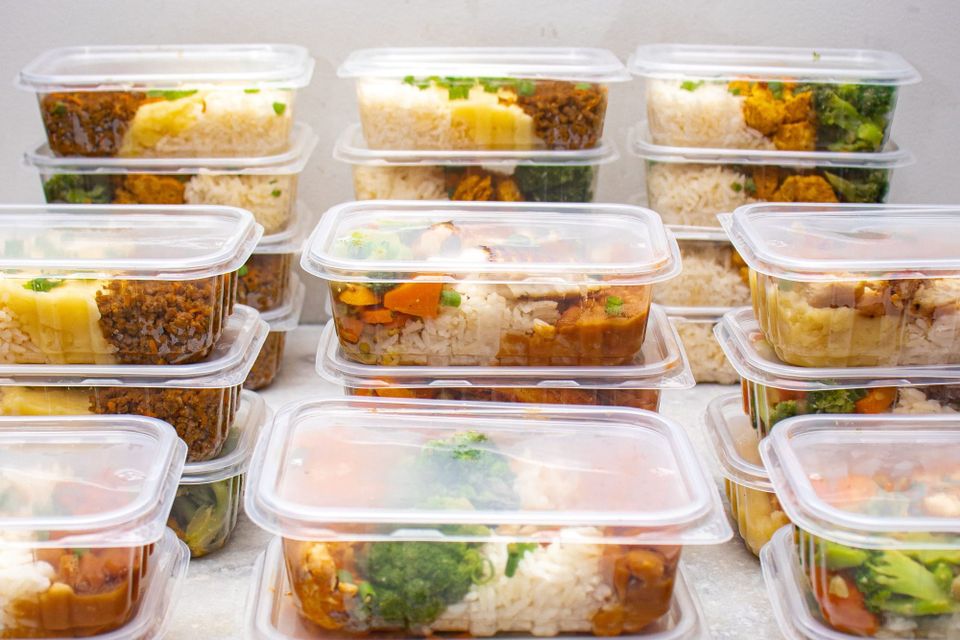
In the bustling world of hospitality, where the aroma of fresh-baked scones mingles with the hum of delivery scooters outside trendy Bristol eateries, a quiet revolution is underway. Ghost kitchens—those enigmatic, delivery-only hubs—have emerged from the shadows of the pandemic to become a cornerstone of the UK's foodservice landscape. But are they truly the engine propelling growth in an industry still recovering from turbulent times? As a Bristol-based catering consultancy, we've seen firsthand how these virtual powerhouses are reshaping menus, operations, and customer expectations. In this post, we'll explore the rise of ghost kitchens, their impact on hospitality growth, emerging trends like AI-driven operations and sustainable practices, and how savvy operators can capitalise on them. Whether you're a restaurateur pondering a pivot or a food enthusiast curious about the future of takeaways, read on to uncover the trends shaping 2025 and beyond.
What Exactly Are Ghost Kitchens?
To grasp their role in driving hospitality growth, let's start with the basics. Ghost kitchens, often interchangeably called dark kitchens or cloud kitchens, are commercial facilities dedicated solely to preparing meals for off-premise consumption—think Deliveroo, Uber Eats, and Just Eat orders whizzing out the door without a single diner in sight. Unlike traditional restaurants with front-of-house theatrics, these spaces prioritise efficiency: modular layouts, high-volume equipment, and data analytics to streamline production. No tables, no ambiance—just pure, unadulterated culinary output.
In the UK, the concept took root during the 2020 lockdowns, when dine-in vanished overnight. What began as a survival tactic has evolved into a strategic asset. According to recent market insights, the global ghost kitchen sector is valued at USD 88.42 billion in 2025, with projections to double to USD 196.69 billion by 2032 at a compound annual growth rate (CAGR) of 12.1%. Closer to home, the UK's foodservice market is set to expand by USD 57 billion between 2025 and 2029, growing at 6.7% CAGR, with delivery-only models like ghost kitchens claiming an increasing slice. In Bristol, a city renowned for its vibrant street food scene and tech-savvy populace, ghost kitchens are popping up in repurposed warehouses along the Harbourside, feeding the demand for quick, quality bites amid the rise of hybrid work lifestyles.
The Surge in Demand: Fuel for Hospitality Expansion
One cannot deny the numbers: ghost kitchens are undeniably accelerating hospitality growth. The post-pandemic boom in food delivery has been meteoric. UK consumers now place over 1.5 billion online orders annually, a figure that's climbed 15% year-on-year. This isn't mere convenience; it's a cultural shift. Busy professionals in Bristol's creative districts crave the thrill of a gourmet falafel wrap arriving in 30 minutes, while families opt for virtual brands offering everything from vegan curries to artisanal pizzas without the hassle of cooking.
Economically, ghost kitchens lower barriers to entry. Startup costs can be 30-50% less than a full-service restaurant, thanks to no need for prime real estate or extensive decor—ideal for emerging chefs testing niche concepts like hyperlocal Bristol-inspired fusion dishes. Operators can run multiple virtual brands from one kitchen, maximising revenue streams. Take Karma Kitchen or Nimbus Kitchen, top UK players in 2025, which host dozens of concepts under one roof, boosting occupancy rates to 90%. This multi-brand approach isn't just efficient; it's a growth multiplier, allowing hospitality businesses to scale without proportional overheads.
From our consultancy's vantage point in Bristol, we've advised local independents on launching ghost kitchen arms, resulting in 25-40% revenue uplifts within the first year. The key? Leveraging data from delivery platforms to refine menus—swapping under performers for high-margin items like sustainable seafood bowls, a nod to the UK's growing eco-conscious diners.
Operational Efficiencies: The Hidden Growth Engine
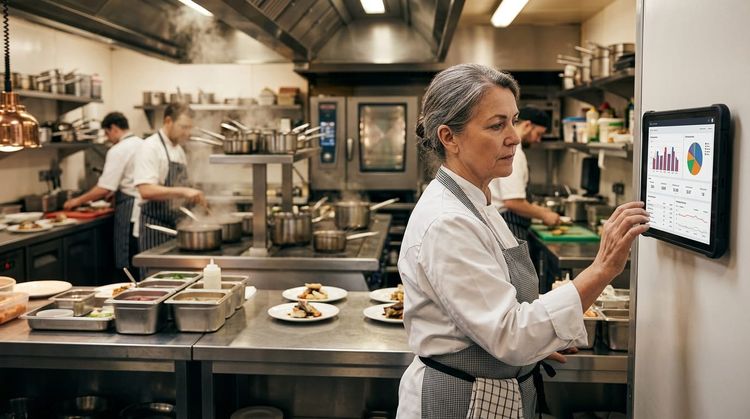
Beyond the buzz, ghost kitchens drive growth through razor-sharp operations. In a sector where margins hover at 5-10%, efficiency is king. These kitchens employ kitchen management software to forecast demand, reducing food waste by up to 20%—a boon amid rising ingredient costs. AI-driven tools, an up-and-coming trend for 2025, predict order surges based on weather, events, or even Bristol's festival calendar, ensuring staff are optimised and stock is fresh.
Consider the environmental angle: sustainable ghost kitchens are trending, with operators adopting electric delivery fleets and compostable packaging to align with the UK's net-zero ambitions. A 2025 survey reveals 68% of consumers prefer brands with green credentials, propelling eco-focused virtual restaurants to the forefront. In Bristol, where community values run deep, this resonates—our clients have seen loyalty soar by 15% through transparent sourcing stories shared via Instagram Reels.
Yet, it's not all seamless. Quality control remains a challenge; without face-to-face feedback, consistency can falter. Here, robust training protocols and tech like remote monitoring cameras prove invaluable. As hospitality consultants, we emphasise hybrid models: ghost kitchens feeding into pop-up events or corporate catering, blending virtual scale with tangible experiences.
Challenges and Criticisms: A Balanced View
For all their promise, ghost kitchens aren't without detractors. Critics argue they erode the soul of hospitality—the joy of communal dining, the serendipity of a bustling Bristol bistro. Indeed, a 2025 report notes a 12% dip in full-service restaurant footfall, partly attributed to delivery convenience. Moreover, the rise of virtual brands has sparked concerns over intellectual property, with copycat menus flooding platforms.
Regulatory hurdles loom too. UK food safety standards demand rigorous compliance, and with hyperlocal delivery trends pushing for faster turnarounds, lapses risk reputational damage. In Bristol's compact market, where word travels fast on local forums, one bad review can cascade.
Then there's the workforce angle. Ghost kitchens often rely on gig economy drivers, raising questions about fair pay and job security. As trends evolve towards enhanced food safety protocols in 2025, operators must invest in training to retain talent—a cost that, if unmanaged, could stifle growth.
Despite these, the positives outweigh. By 2025, ghost kitchens are forecasted to capture 21% of the takeaway market, underscoring their role as a stabiliser in volatile times. For forward-thinking hospitality leaders, the solution lies in integration: using ghost kitchens as a launchpad for brick-and-mortar expansions, not replacements.
Emerging Trends: What's Hot in 2025 and Beyond
Peering into the crystal ball, 2025's ghost kitchen trends are electrifying. AI isn't just buzz—it's operational reality, with predictive analytics slashing prep times by 25%. Imagine Bristol kitchens auto-adjusting spice levels based on past orders from the Cities diverse palate.
Niche virtual brands are surging too—think plant-based Bristol Bakehouse deliveries or zero-waste West Country pies—catering to the 40% of UK millennials prioritising ethical eating. Hyperlocal delivery, another keyword darling, emphasises same-hour service within neighbourhoods, reducing carbon footprints and fostering community ties.
Digital marketing strategies for UK ghost kitchens are pivotal, with SEO-optimised social campaigns driving 30% more orders. Terms like "sustainable ghost kitchens Bristol" and "AI food delivery trends UK" are climbing search volumes, per 2025 hospitality marketing insights. For consultancies like ours, this means guiding clients on content that ranks: blog posts on "cloud kitchen growth UK" or TikTok’s showcasing behind-the-scenes efficiency.
Sustainability extends to supply chains, with blockchain tracking ingredients from Somerset farms to your doorstep—a trend set to dominate by 2030. And let's not forget experiential hybrids: ghost kitchens powering immersive events, like virtual chef collaborations streamed live from Bristol docks.
How Bristol Businesses Can Harness Ghost Kitchens for Growth
As a catering consultancy rooted in Bristol's dynamic scene, we're passionate about demystifying these shifts. We've helped over 50 local operators transition to ghost models, from menu audits to platform partnerships. The recipe? Start small: pilot a virtual brand with low-risk items, analyse data, then scale. Our bespoke strategies incorporate up-and-coming trends like enhanced food safety tech and digital personalisation, ensuring compliance and customer delight.
For instance, a recent client—a family-run Bristol café—launched a ghost arm specialising in gluten-free afternoon teas for delivery. Within six months, it accounted for 35% of revenue, freeing resources for innovative dine-in experiences. Tools like POS integrations and CRM software, which we recommend, turn data into dollars.
Looking ahead, the fusion of ghost kitchens with augmented reality menus—where customers "try" dishes virtually—promises to blur lines further, driving hospitality's next growth wave.
Conclusion: A Spectral Force for Good?
So, are ghost kitchens driving growth in hospitality? Unequivocally, yes. They're not phantoms haunting the industry but spectral allies, offering agility in an era of uncertainty. From Bristol's Harbourside hubs to London's high-rises, they're fuelling a £4billion UK foodservice surge, one order at a time. Yet, success hinges on adaptation: embracing AI food delivery trends, prioritising sustainable ghost kitchens, and weaving virtual efficiency into authentic storytelling.
If you're a Bristol hospitality pro eyeing this space, why not reach out? Our consultancy specialises in tailored ghost kitchen blueprints, from business plans to trend-aligned marketing. Together, we can conjure growth that's as satisfying as a perfectly timed delivery on a rainy Avon night. What's your next move in this evolving feast?
A ghost kitchen still lives or dies on its layout, and that is where commercial kitchen design earns its money.