Mastering Catering Efficiency: A Comprehensive Guide
With over three decades of experience in the catering industry, professionals understand that running a successful catering business requires more than just culinary talent. Efficiency plays a pivotal role in reducing costs, improving service quality, and fostering long-term growth. This guide explores the strategies and tools needed to optimize catering operations from back-of-house to front-of-house.
Why is Efficiency Vital in Catering?
Efficiency is the backbone of any thriving catering business. It ensures smooth operations, satisfied customers, and maximise profitability. Key reasons include:
- Cost Management: Streamlined processes reduce waste and unnecessary expenses.
- Customer Satisfaction: Quick and reliable service keeps clients coming back.
- Business Scalability: Efficient systems allow for growth without compromising quality.
How Can Kitchen Design Boost Efficiency?
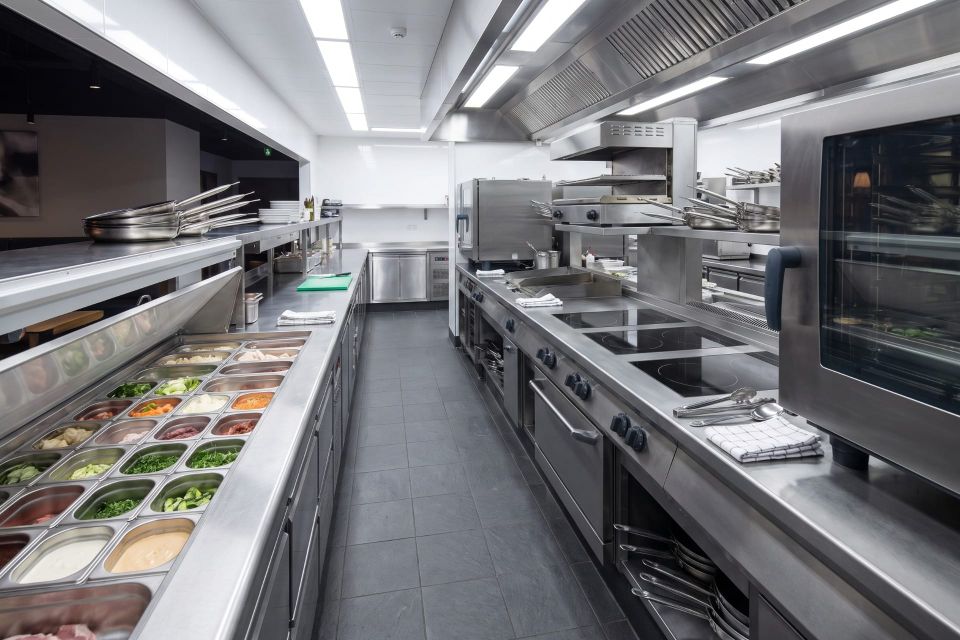
A well-organised kitchen is essential for productivity and safety. Here’s how design impacts efficiency:
- Optimised Workflow: Strategically arrange workstations to minimise staff movement.
- Smart Equipment Placement: Position appliances and tools for easy access.
- Ergonomic Layouts: Reduce physical strain on staff to enhance performance.
Tips for Effective Kitchen Design
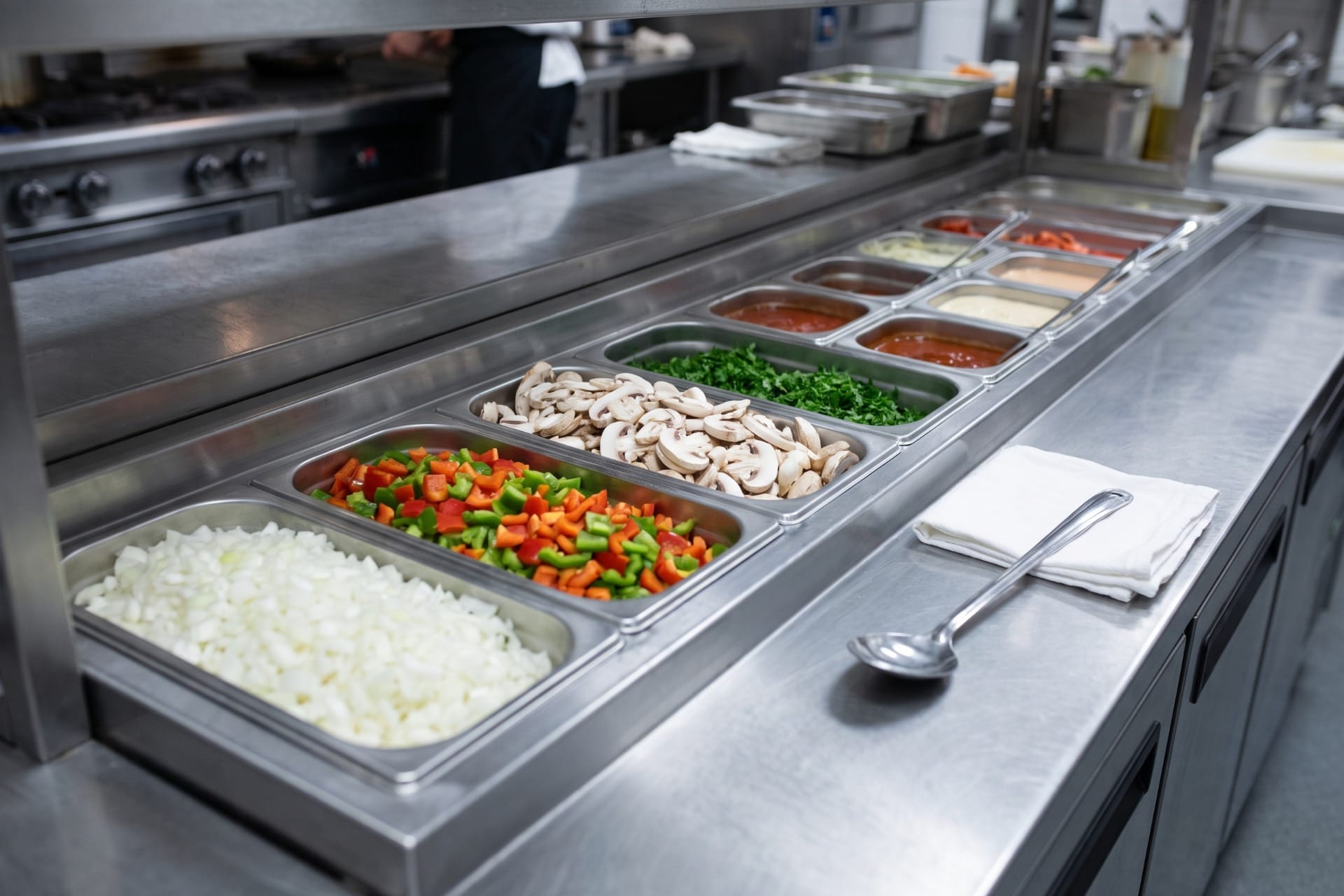
- Create Defined Zones: Allocate areas for food prep, cooking, and storage.
- Maximize Vertical Space: Use shelves and racks to organize supplies.
- Invest in Quality Equipment: Durable tools reduce downtime and maintenance costs.
What Role Does Menu Planning Play in Efficiency?
Menu planning is a cornerstone of operational success. A well-thought-out menu simplifies inventory management and speeds up service. Consider the following:
- Seasonal Ingredients: Utilise in-season produce to reduce costs and elevate dish quality.
- Standardized Recipes: Ensure consistency and reduce prep time.
- Customer Favorites: Focus on popular items to streamline operations.
How Can Staff Training Enhance Catering Operations?
A well-trained team is the lifeblood of any catering business. Proper training leads to:
- Improved Productivity: Skilled employees complete tasks faster and with fewer errors.
- Enhanced Teamwork: Clear communication reduces misunderstandings and delays.
- Better Customer Service: Polished front-of-house staff elevate the dining experience.
Key Training Areas
- Food safety and hygiene.
- Equipment handling.
- Time management and prioritisation.
- Effective communication and conflict resolution.
How to Incorporate Energy Efficiency in Catering?
Energy expenses can significantly impact your bottom line. Here are ways to optimise energy use:
- Switch to Energy-Efficient Appliances: Choose models with high energy ratings.
- Schedule Maintenance Checks: Ensure appliances run at peak efficiency.
- Monitor Energy Consumption: Track usage to identify and address inefficiencies.
What Technologies Elevate Catering Efficiency?
Modern tools can transform the way catering businesses operate. Here are some must-haves:
- Inventory Management Software: Reduce waste by tracking stock levels in real-time.
- Point-of-Sale Systems: Streamline orders and payments.
- Staff Scheduling Apps: Optimise labor costs and ensure adequate coverage.
FAQs About Catering Efficiency
1. How can I assess the efficiency of my catering business?
Monitor metrics like food waste, labor productivity, and customer satisfaction scores to gauge performance.
2. What are common mistakes that hinder efficiency?
Pitfalls include overcomplicated menus, poor kitchen layouts, and lack of proper staff training.
3. How often should I review my operations?
Quarterly reviews can help identify inefficiencies and implement improvements.
4. Can outsourcing tasks improve efficiency?
Yes, delegating non-core tasks like cleaning or delivery can free up resources for critical operations.
5. What role does customer feedback play in efficiency?
Feedback offers valuable insights into areas that need improvement, helping businesses refine processes.
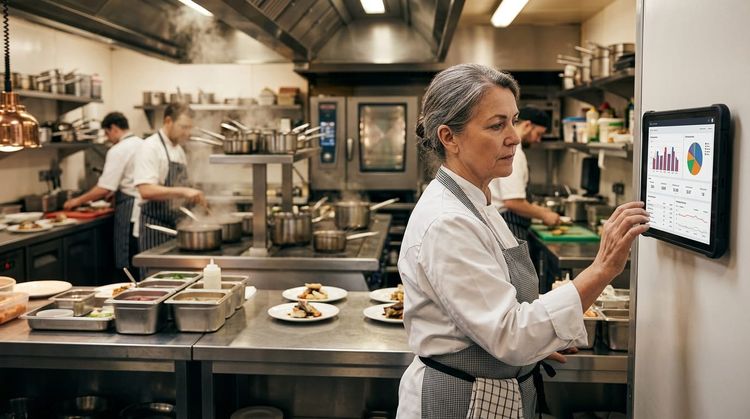
By implementing these strategies, catering businesses can achieve operational excellence, reduce costs, and deliver exceptional service. Efficiency is a journey, not a destination—it requires continuous evaluation and adaptation to meet evolving industry demands.