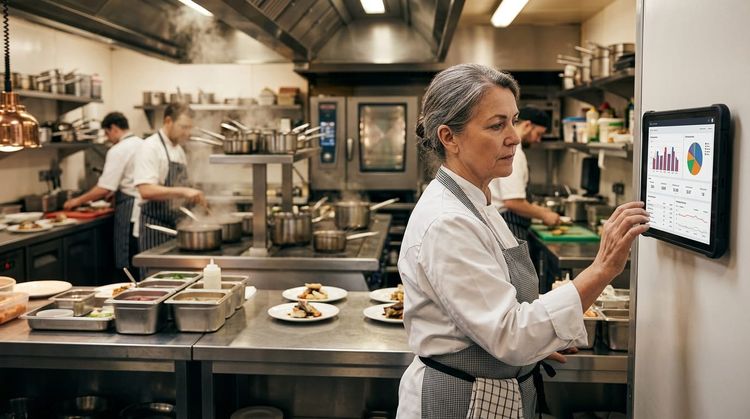
Maximising Efficiency in a Modern Kitchen
In the catering industry, efficiency is more than just a buzzword—it's a cornerstone of profitability and customer satisfaction. From streamlining kitchen workflows to optimizing menu planning, every aspect of a catering business can benefit from a focus on efficiency. This guide explores practical strategies to maximize efficiency in catering operations, ensuring your business operates smoothly and successfully.
What is Catering Efficiency and Why Does it Matter?
Efficiency in catering refers to the ability to deliver high-quality services and products with minimal waste of time, resources, and effort. It's about doing more with less, without compromising on quality. Achieving efficiency can lead to:
- Cost savings: Lower expenditures on ingredients, energy, and labor.
- Improved customer satisfaction: Faster service and consistent quality.
- Higher profits: More orders fulfilled with fewer resources spent.
How Can Kitchen Design Impact Catering Efficiency?
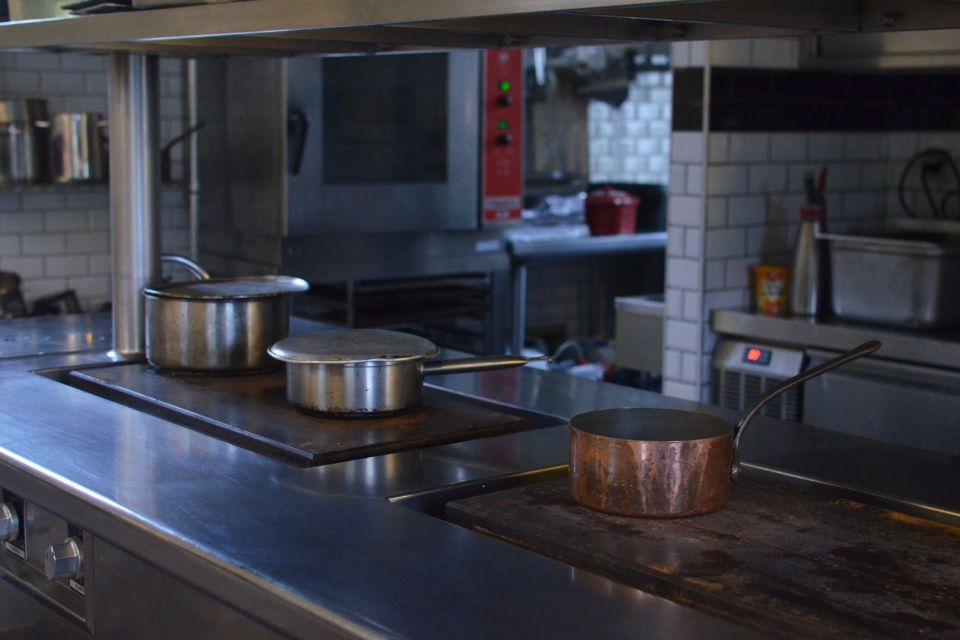
One of the most significant factors influencing efficiency is kitchen design. A well-designed kitchen can:
- Reduce unnecessary movement: Proper placement of equipment minimizes travel time for staff.
- Enhance workflow: Logical arrangement of prep, cooking, and plating areas ensures seamless operations.
- Improve safety: Adequate spacing and organization reduce accidents and injuries.
When designing a kitchen, consider the following:
- Work triangle: Ensure easy access between the refrigerator, stove, and sink.
- Equipment placement: Group similar appliances together for efficiency.
- Storage solutions: Maximize space with shelves, racks, and cabinets.
What Role Does Menu Planning Play in Efficiency?
Menu planning is another critical area where efficiency can be optimized. A well-thought-out menu:
- Simplifies inventory management: Reduces the number of ingredients needed.
- Speeds up preparation: Focuses on dishes that are quick and easy to make.
- Minimizes waste: Ensures ingredients are used across multiple dishes.
Tips for Effective Menu Planning
- Analyse popular dishes: Focus on items that sell well.
- Standardize recipes: Ensure consistency and reduce preparation time.
- Seasonal ingredients: Use in-season produce to cut costs and enhance flavor.
How Can Staff Training Enhance Efficiency?
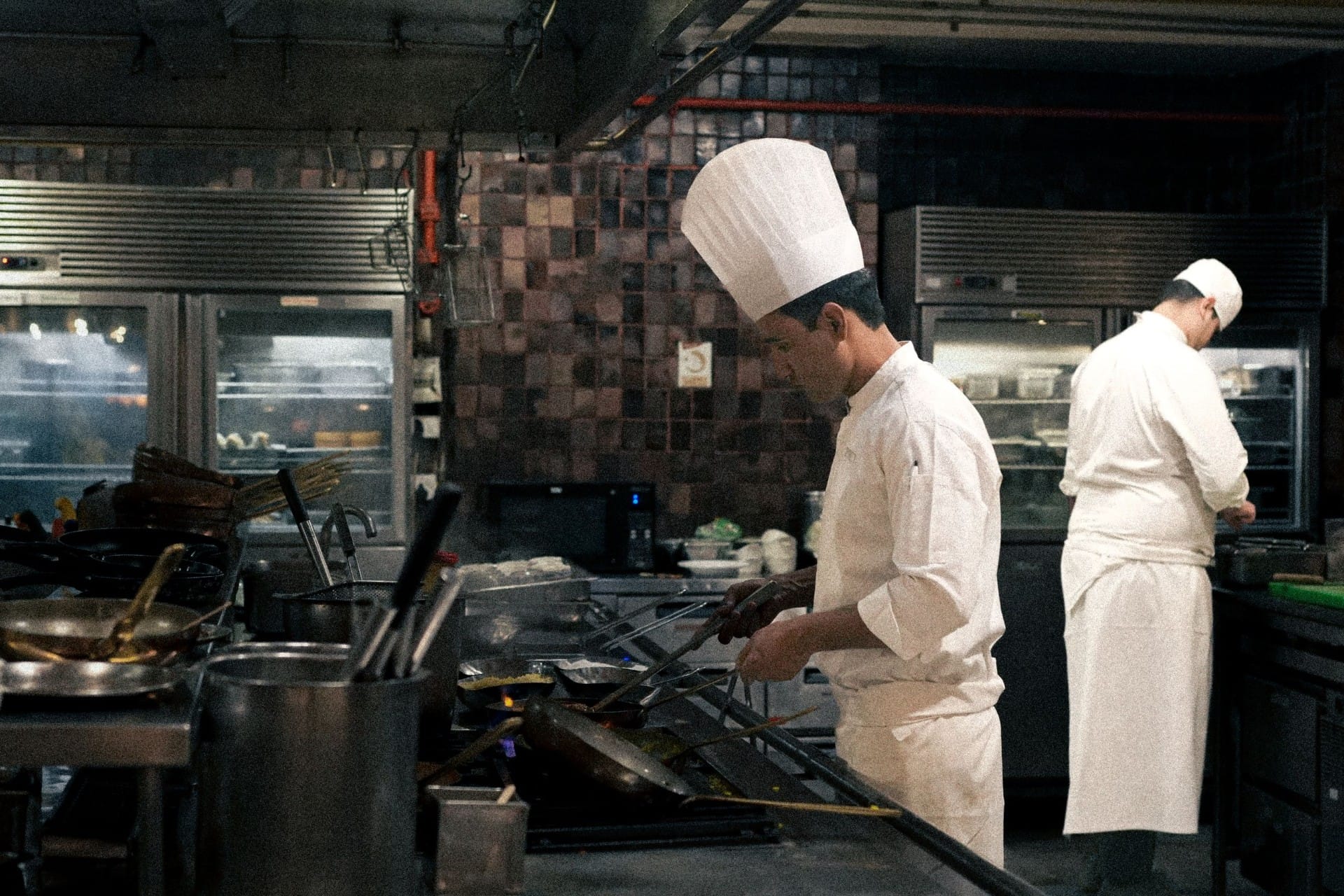
Your team plays a vital role in the efficiency of your catering business. Proper training can:
- Boost productivity: Skilled staff work faster and make fewer mistakes.
- Improve teamwork: Clear communication and defined roles streamline operations.
- Enhance customer service: Well-trained staff provide a better experience for clients.
Key Areas for Staff Training
- Food safety and hygiene
- Equipment usage
- Time management
- Customer interaction skills
How to Optimize Energy Efficiency in Catering?
Energy costs are a significant expense in catering. Optimizing energy efficiency not only saves money but also reduces your environmental impact. Consider the following strategies:
- Upgrade to energy-efficient appliances: Look for ENERGY STAR-rated equipment.
- Regular maintenance: Ensure equipment operates at peak efficiency.
- Smart scheduling: Run energy-intensive appliances during off-peak hours.
What Tools and Technologies Can Improve Catering Efficiency?
Modern technology offers numerous tools to enhance efficiency in catering operations:
- Inventory management software: Tracks stock levels and reduces waste.
- POS systems: Streamline order taking and payment processes.
- Scheduling software: Optimizes staff shifts and reduces labor costs.
FAQs About Catering Efficiency
1. How can I measure the efficiency of my catering business?
You can measure efficiency through key performance indicators (KPIs) such as food waste percentage, labor costs, and customer satisfaction scores.
2. What are common mistakes that reduce efficiency in catering?
Common mistakes include poor kitchen layout, overcomplicated menus, and inadequate staff training.
3. How often should I review my catering operations for efficiency?
Regular reviews, at least quarterly, are recommended to identify areas for improvement.
4. Can outsourcing services help improve efficiency?
Yes, outsourcing tasks like cleaning or delivery can free up resources to focus on core operations.
5. What role does customer feedback play in improving efficiency?
Customer feedback provides valuable insights into areas where your service can be streamlined or enhanced.
Maximizing efficiency in catering is an ongoing process that requires attention to every detail of your operations. By implementing these strategies, you can build a more profitable, sustainable, and customer-focused business.