Quality Beef Stock Recipe
Roasting the bones and vegetables first is the step most kitchens skip, and it is the one that gives a dark stock its depth.
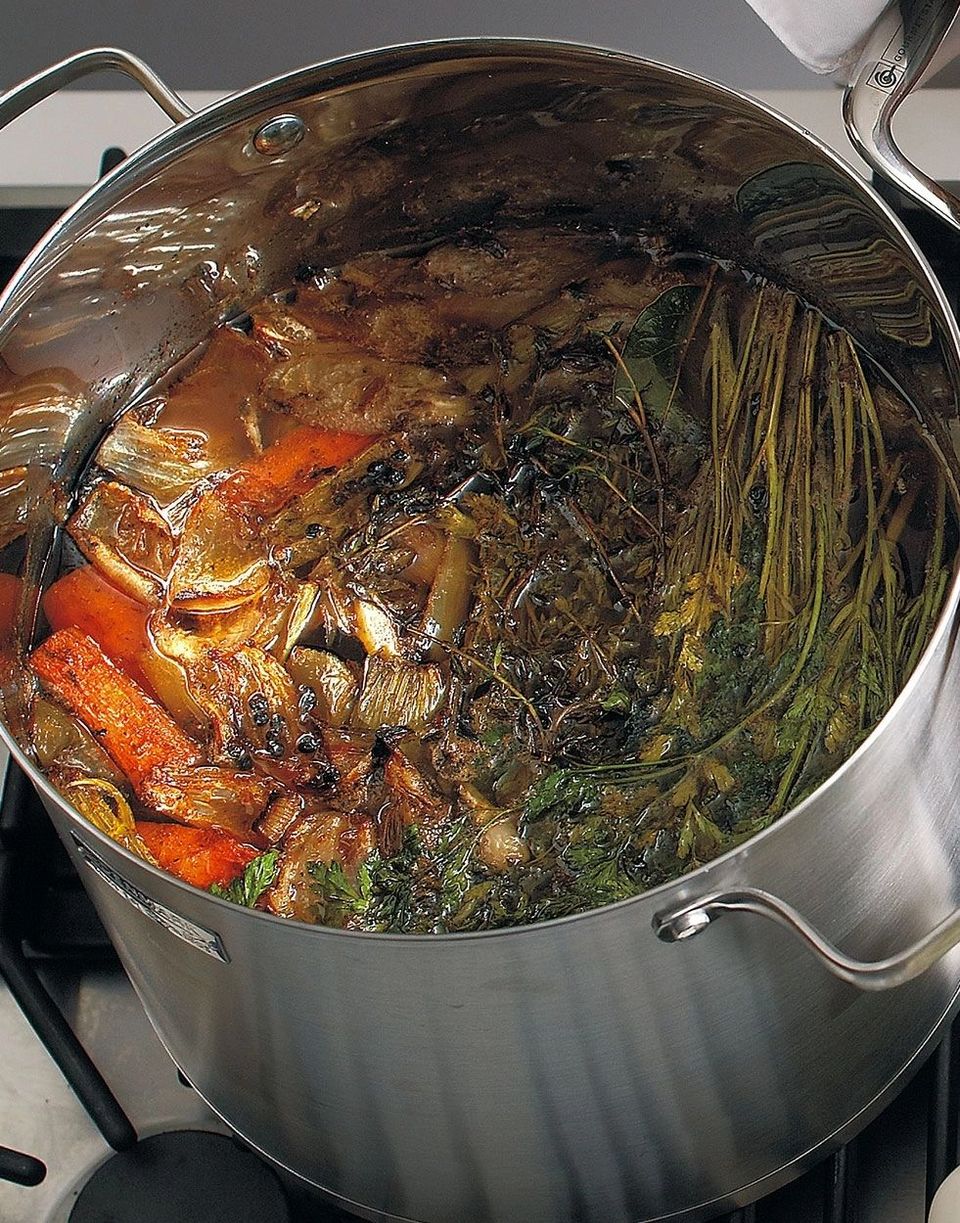
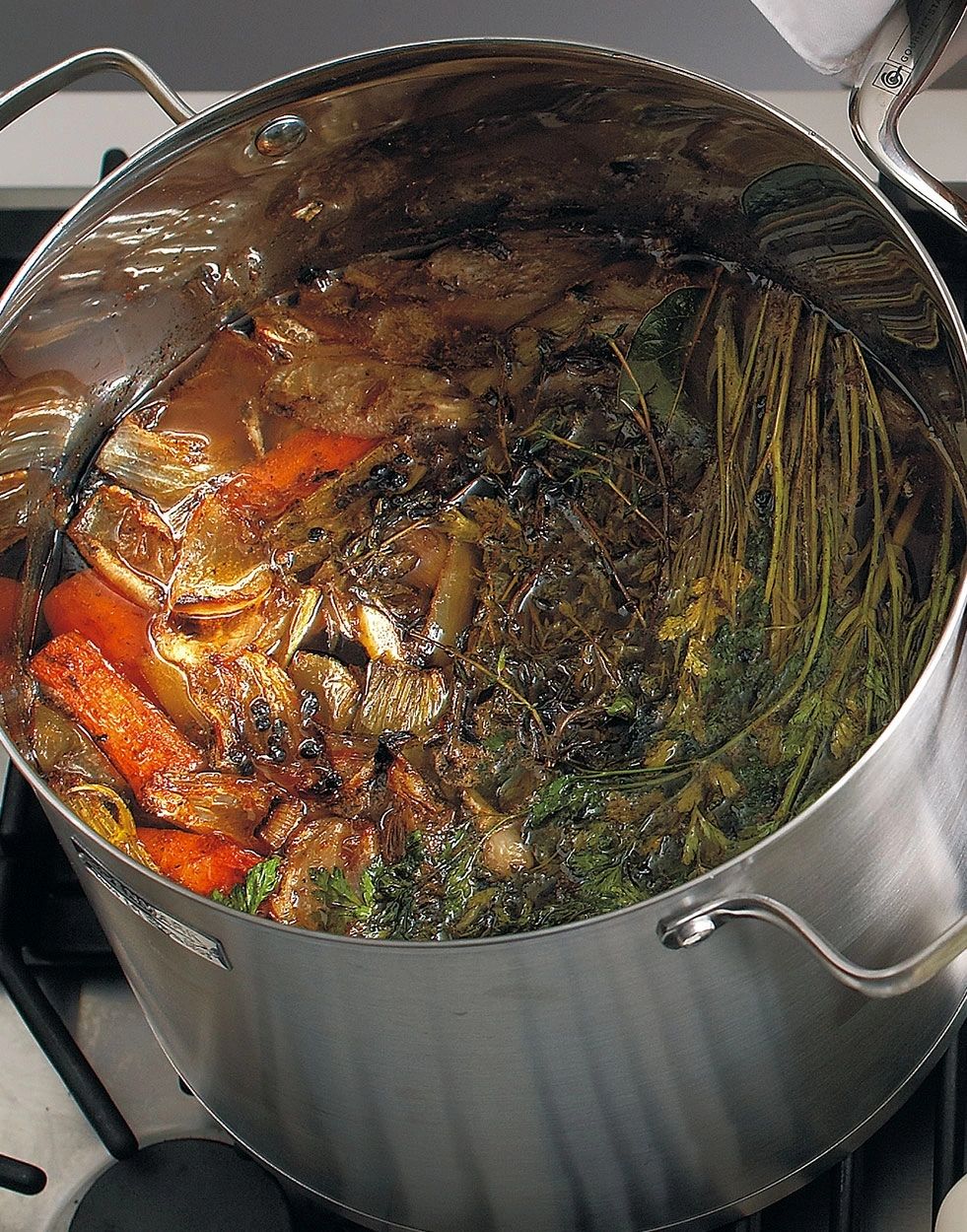
The essentials for deep flavor
- Roast the bones and vegetables first. This is the single most important step for rich, dark stock. Searing and caramelizing the bones (and a mirepoix of carrots, onions, and celery) creates a depth of flavor that a simple simmer can't achieve.
- How to: Place meaty bones on a roasting tray and roast at 400°F (200°C) for 45 minutes, turning halfway, until deeply browned. Add the vegetables and a little tomato paste for color and umami, and roast for another 30 minutes until they begin to caramelize.
- Deglaze the pan. After roasting, transfer the bones and vegetables to a large stockpot. Place the roasting pan on the stove, add a bit of water or red wine, and scrape up all the browned bits (the fond) from the bottom. These bits are pure flavor and should be added to the pot with the other ingredients.
- Use the right bones for a gelatinous stock. The best stocks are full-bodied and turn into a jelly-like consistency when chilled. This comes from collagen, which is abundant in bones like knuckles, feet, and oxtail. Ask your butcher for meaty bones and some knuckles to ensure a rich mouthfeel.
- Start with cold water. Always cover your ingredients with cold water. As the water slowly heats, it draws flavor and protein out of the bones and into the liquid. Starting with hot water will cause the proteins to seize up and stay in the bones.
- Add a touch of acidity. A splash of apple cider vinegar helps extract more nutrients and flavor from the bones. Add it at the start of the cooking process.
How to get a crystal-clear stockTo avoid a cloudy stock, which is often caused by boiling or stirring, follow these steps:
- Blanch the bones. For an exceptionally clear stock, some chefs recommend blanching the bones first. Cover the bones with cold water, bring them to a boil for 15 minutes, then drain, rinse, and clean the pot. This removes impurities and fat that would otherwise cloud the stock.
- Skim the scum. As the stock heats and simmers, gray-colored "scum" will rise to the surface. Skim this off with a ladle, especially in the first hour. This removes impurities and keeps your stock clean.
- Never boil, only simmer. A vigorous boil emulsifies fat into the liquid, causing it to become cloudy. Instead, bring the water to a boil, then immediately reduce the heat to a very gentle simmer—just a lazy bubble or two breaking the surface.
- Don't stir. Leave the stock alone while it simmers. Stirring can kick up particles from the bottom of the pot, muddying the liquid.
The slow cook is the best cookPatience is a chef's secret weapon.
- Simmer for many hours. A good stock needs time to develop. Simmer for at least 6 to 8 hours, and up to 12 hours for an even deeper flavor. If you can't simmer all day, cool the stock in the fridge and continue simmering the next day.
- Add vegetables later. To prevent your stock from taking on a vegetal, "stewed" flavor, add your carrots, celery, and onions during the last hour or two of simmering. This allows them to impart their flavor without breaking down entirely.
- Strain and chill. After simmering, strain the stock through a fine-mesh sieve, ideally lined with cheesecloth. Let it cool completely before refrigerating. Once chilled, a solid layer of fat will form on top. Scrape this off and save it for cooking, as the fat can help preserve the stock if you are not freezing it.
- Faster process. Try cooking the Stock in a pressure cooker or event better a Rational iVario Pro, this can be done in as little as four hours with deep intense flavours
beef stock recipe, beef stock pot, beef stock ingredients