The Importance of Menu Development in an Ever Changing Market
In the dynamic world of the UK catering industry, where consumer tastes evolve rapidly and economic pressures mount, menu development stands as a cornerstone of success. For new catering businesses launching in bustling cities like London or Manchester, or established ones grappling with rising ingredient costs and supply chain disruptions, mastering menu planning is not just advisable—it's essential. At OnThePassConsultancy.com, our catering consultancy experts have witnessed firsthand how strategic menu development can transform struggling operations into thriving enterprises. This blog post delves into why menu development is vital in an ever-changing market, offering practical insights tailored for UK catering businesses aiming to reduce costs and boost profitability.
Across the hospitality sector in South Wales, we're seeing this challenge play out in real time. Operators in Cardiff, Newport, and Swansea are dealing with shifting customer expectations, rising ingredient costs, and a post-pandemic dining landscape that has changed what people want to eat and how much they'll pay for it. A menu that isn't regularly reviewed and adapted to these pressures is one that's quietly falling behind.
Navigating the Shifting UK Catering Landscape
The UK catering market is a vibrant yet volatile arena. According to recent reports from the British Hospitality Association, the sector contributes over £100 billion annually to the economy, but it's plagued by challenges such as inflation, Brexit-related supply issues, and shifting consumer preferences towards sustainable and health-conscious options. For new catering businesses in the UK, entering this market means contending with fierce competition from established players and food delivery giants like Deliveroo and Uber Eats.
An ever-changing market demands agility. Consumer trends shift with the seasons—literally and figuratively. Vegan and plant-based menus have surged by 20% in popularity over the past five years, driven by environmental concerns and health awareness. Meanwhile, economic factors like the cost-of-living crisis have pushed diners towards value-for-money options without compromising quality. Established catering businesses struggling to get costs down often overlook how outdated menus contribute to waste, overstocking, and diminished appeal.
Menu development, therefore, isn't a one-off task but an ongoing process. It involves analysing market trends, customer feedback, and operational data to create offerings that resonate. For catering consultancy services like those at OnThePassConsultancy.com, we emphasise that effective menu planning can lead to a 15-25% reduction in food costs by optimising ingredient usage and minimising waste. In a market where margins are slim, this can be the difference between survival and closure.
Why Menu Development is Crucial for Cost Control
For catering businesses in the UK, cost control is paramount, especially amid rising energy bills and labour shortages. Menu development plays a pivotal role here by aligning offerings with budget constraints while maintaining customer satisfaction. Imagine a new catering startup in Edinburgh specialising in corporate events; without thoughtful menu planning, they might overcommit to exotic ingredients that inflate costs and lead to spoilage.
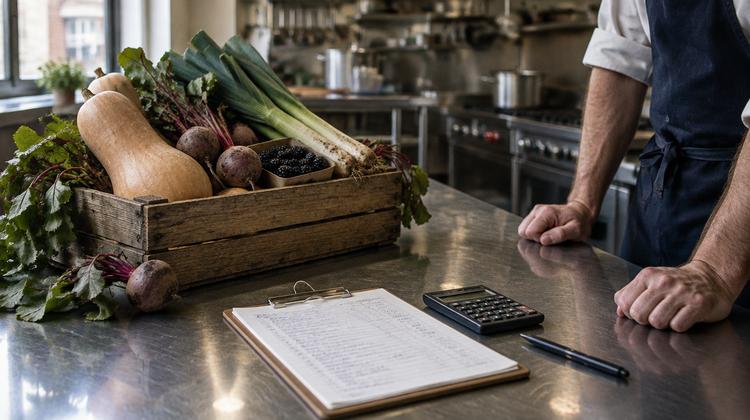
Key to cost reduction in catering is ingredient versatility. By designing menus around seasonal, locally sourced produce—abundant in the UK's rich agricultural regions like the Cotswolds or Scottish Highlands—businesses can slash procurement expenses. For instance, incorporating British staples like root vegetables in winter menus not only cuts import costs but also appeals to the growing demand for sustainable catering practices.
Established businesses often struggle with legacy menus that haven't evolved. A static menu might feature high-cost items like imported seafood, which have seen price hikes due to global supply chain issues. Through menu development, these can be replaced with cost-effective alternatives, such as British-caught fish or innovative plant-based substitutes. Our team at OnThePassConsultancy.com has helped clients achieve up to 30% savings by conducting thorough menu audits, identifying underperforming dishes, and introducing profitable replacements.
Moreover, menu engineering—a subset of menu development—uses psychological principles to guide customer choices. By strategically placing high-margin items and using descriptive language (e.g., "succulent grass-fed British beef roast" instead of "beef dish"), caterers can increase average spend without raising prices. This is particularly useful for UK catering businesses targeting weddings or conferences, where perceived value drives decisions.
Strategies for Effective Menu Development in the UK Market
Developing a menu that thrives in an ever-changing market requires a structured approach. For new catering businesses in the UK, start with market research. Utilise tools like Google Trends or industry reports from Mintel to identify emerging preferences, such as low-carb options or ethnic fusions influenced by the UK's diverse population.
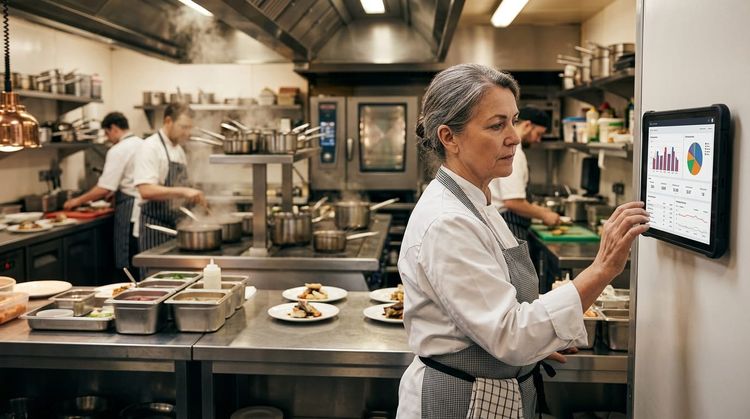
Next, focus on cost analysis. Calculate food cost percentages for each dish—aiming for 25-35% of the selling price—and use software like Lightspeed or Toast to track inventory. This data-driven method ensures menu items are profitable. For struggling established businesses, revamping menus seasonally can refresh appeal and align with cost fluctuations; for example, switching to hearty stews in autumn to leverage cheaper root crops.
Incorporate customer feedback loops. Surveys post-events or social media polls can reveal what works. In the UK, where dietary restrictions are common (e.g., gluten-free or halal), inclusive menu development fosters loyalty and reduces returns or complaints, indirectly cutting costs.
Sustainability is another pillar. With the UK government's net-zero targets, eco-friendly menus using zero-waste techniques—like repurposing vegetable scraps into stocks—appeal to conscious consumers. This not only enhances brand image but also lowers disposal costs. At OnThePassConsultancy.com, our catering consultancy programmes guide businesses through these strategies, ensuring menus are both innovative and economical.
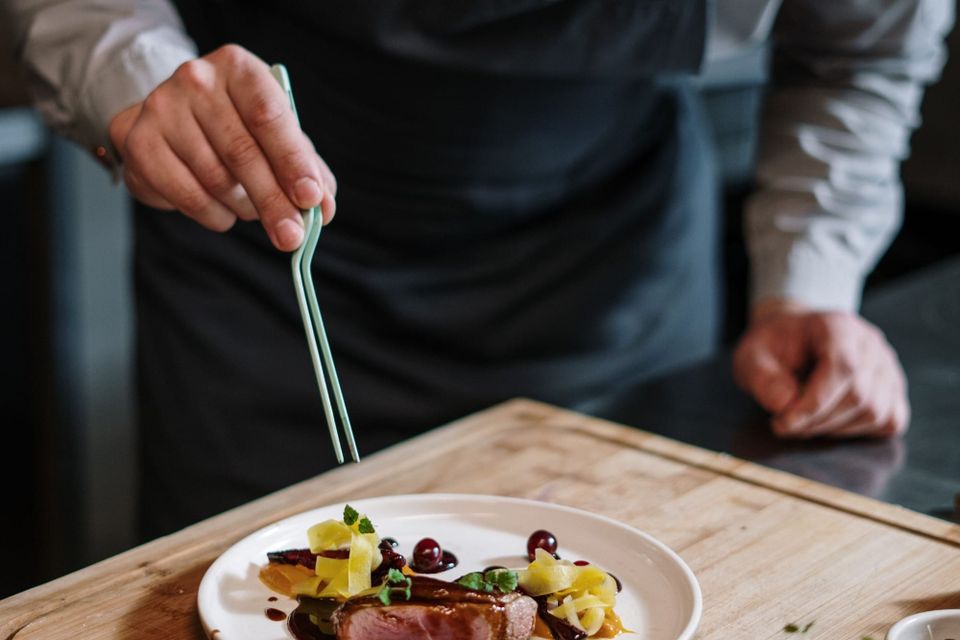
Consider portion control and plating. Oversized portions lead to waste, while smart sizing maintains satisfaction. Training staff on consistent portioning is key, especially in buffet-style catering prevalent in UK events.
Case Studies: Real-World Success in Menu Development
To illustrate, let's examine a new catering business in Birmingham that partnered with OnThePassConsultancy.com. Facing high startup costs, they initially offered a broad menu, leading to excess inventory. Through our menu development workshop, we streamlined it to 15 core items using cross-utilised ingredients (e.g., chicken in salads, wraps, and mains). This reduced food waste by 40% and boosted profits within six months.
An established London caterer, hit by post-pandemic cost surges, was struggling. Their menu featured outdated, expensive imports. We advised a shift to British-sourced, seasonal fare, incorporating trends like fermented foods. The result? A 22% drop in costs and a 15% sales increase, proving menu development's power in an ever-changing market.
These examples underscore that whether you're a fledgling operation in Cardiff or a veteran in Glasgow, adaptive menu planning is indispensable.
Overcoming Common Challenges in Menu Development
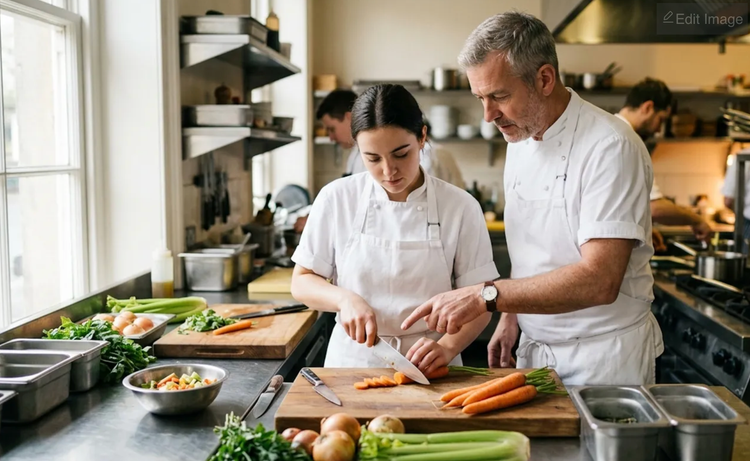
New catering businesses in the UK often face hurdles like limited budgets for R&D. Start small: prototype dishes in-house and test at pop-up events. For established ones, resistance to change from staff can impede progress; involve teams in brainstorming to foster buy-in.
Regulatory compliance is crucial. UK food safety laws, enforced by the Food Standards Agency, require accurate allergen labelling. Menu development must integrate this to avoid fines.
This is work we do regularly with clients across South Wales — sitting down with the kitchen team, understanding what sells and what doesn't, looking at food cost percentages, and building menus that are both exciting for customers and genuinely profitable for the business.
Economic volatility, such as fluctuating fuel prices affecting deliveries, demands flexible menus. Build in alternatives for key ingredients to mitigate risks.
Tips for New and Struggling UK Catering Businesses
- Conduct Regular Audits: Review menus quarterly to align with market shifts and cost changes.
- Embrace Technology: Use apps for recipe costing and trend tracking.
- Focus on USP: Highlight unique selling points, like regional British cuisine, to stand out.
- Partner with Experts: Engage catering consultancy services like OnThePassConsultancy.com for bespoke advice.
- Monitor KPIs: Track metrics like food cost ratio and customer satisfaction scores.
By implementing these, businesses can navigate the ever-changing market with confidence to help them be more successful and profitable in future years to come.
Conclusion: Elevate Your Catering Business with Smart Menu Development
In summary, menu development is the linchpin for success in the UK catering sector's turbulent landscape. It enables cost reduction, enhances customer appeal, and ensures adaptability amid trends and economic pressures. For new catering businesses in the UK or established ones seeking to streamline operations, investing in robust menu planning yields substantial returns.
If you're looking for menu development support in Cardiff, Newport, Swansea, or anywhere across South Wales, Bristol, or Gloucester, On The Pass Consultancy can help. We combine deep culinary expertise with the commercial rigour to make sure every menu we develop is one that works hard for your business.
If your menu has drifted away from what it costs, that is fixable. More on rebuilding a menu around its margin.