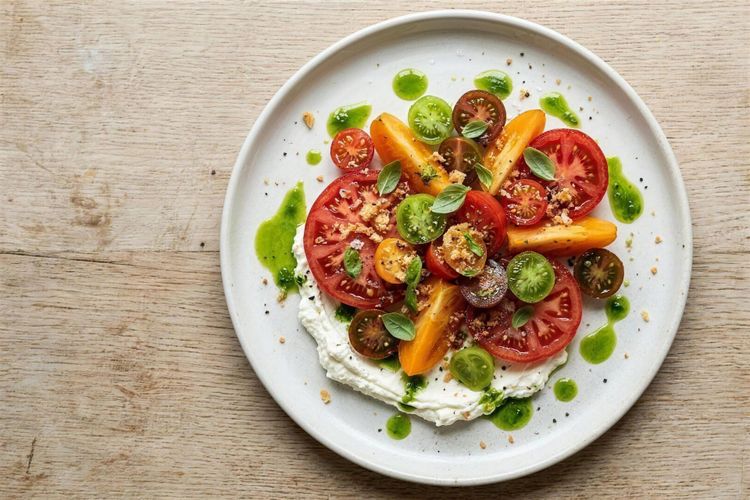
Trends in the Catering Industry for 2026 in the UK
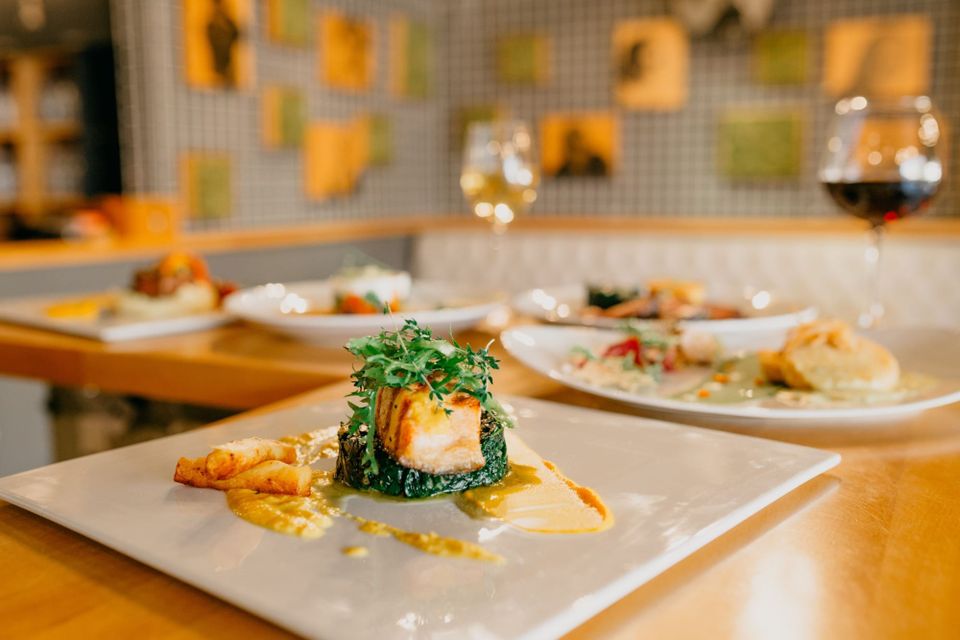
In the ever-evolving landscape of the UK catering industry, staying ahead of emerging trends is crucial for operators aiming to maximise revenue and thrive in a competitive market. As we approach 2026, the sector faces influences from economic pressures, shifting consumer preferences, and regulatory changes. According to industry insights, the hospitality sector is projected to grow, but success will hinge on adapting to demands for sustainability, health-focused offerings, and innovative experiences. This blog post explores key up-and-coming trends in the UK catering industry for 2026, highlighting how operators can leverage them to boost profitability, attract diverse clientele, and enhance operational efficiency. From hyper-local sourcing to tech-driven personalisation, these trends offer actionable strategies for catering businesses to capitalise on growth opportunities.
Embracing Sustainability: Hyper-Local Sourcing and Waste Reduction
Sustainability is no longer a buzzword but a regulatory and consumer imperative in the UK catering industry for 2026. With new waste and recycling rules set to fully implement for larger businesses and extend to smaller ones by March 2027, operators must prioritise green intelligence to avoid penalties and appeal to eco-conscious diners. Hyper-local supply chains are gaining traction, reducing carbon footprints while supporting British producers. For instance, sourcing regenerative beef or MSC-certified seafood, as done by Wahaca, not only meets environmental standards but also allows for transparent menu labelling that builds trust and justifies premium pricing.
To maximise revenue, catering operators should integrate circular thinking, such as upcycling ingredients to minimise waste. This could involve transforming surplus produce into innovative dishes, like fermented sides or zero-waste stocks, which appeal to 75% of value-led consumers seeking meaningful sustainability. By shortening supply chains, businesses can cut costs on transportation and ensure fresher ingredients, leading to higher customer satisfaction and repeat visits. Marketing these practices through social media can drive viral appeal, attracting a broader audience and increasing bookings for events like corporate catering, where hyper-local options differentiate services and command higher margins.
Health and Wellness: The Rise of Functional Foods and Small Plates
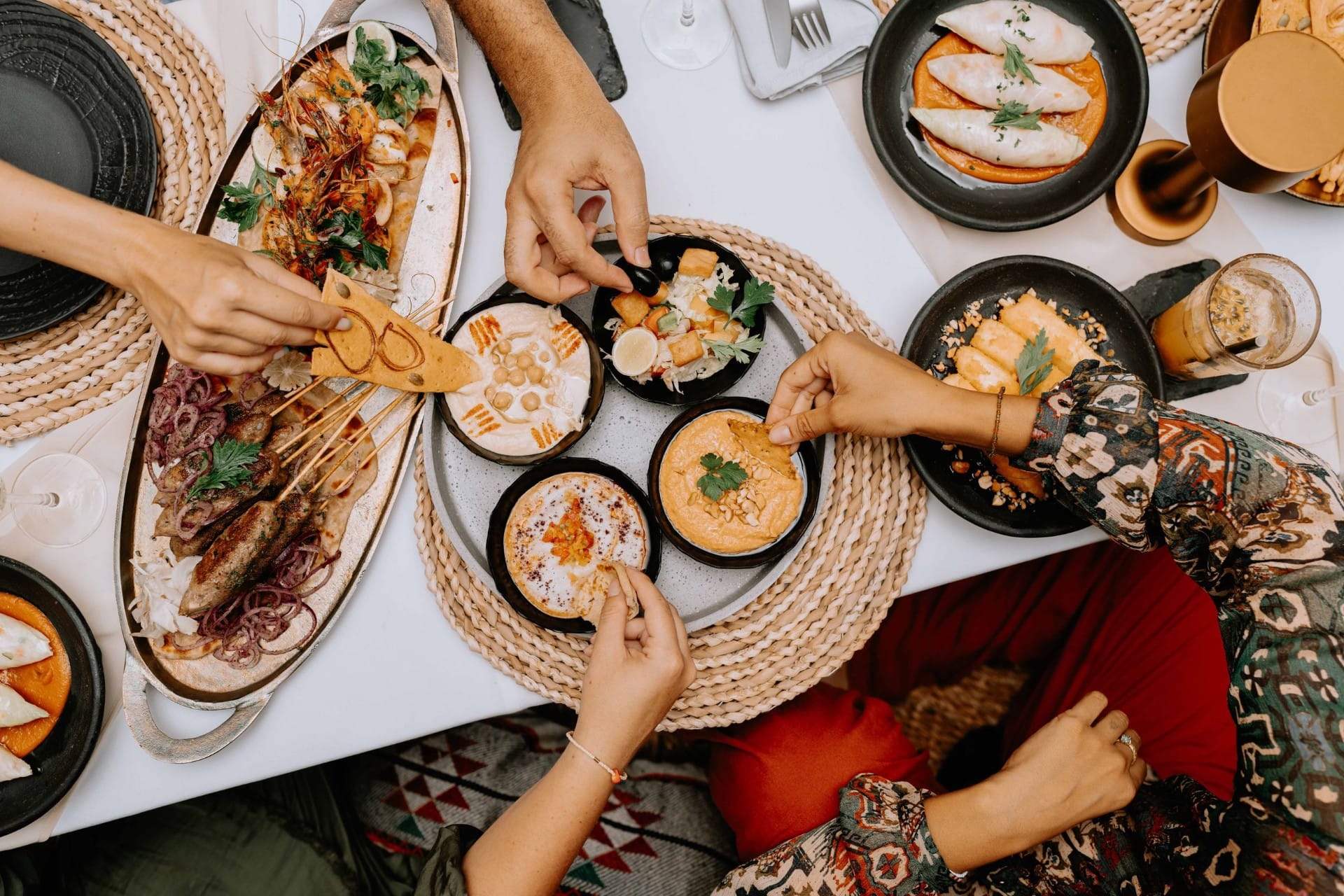
Health-conscious dining is a dominant trend in the UK catering industry for 2026, influenced by the 'GLP-1 effect' from weight loss medications affecting an estimated 2.5 million users. Operators are shifting towards smaller, nutrient-dense portions rich in protein, fibre, and gut-health boosters to cater to time-poor consumers seeking 'wellbeing indulgence'. Wholefoods like avocados, berries, nuts, and oily fish are spotlighted, aligning with over two-thirds of consumers aiming for healthier eating habits.
Catering businesses can maximise revenue by redesigning menus around efficiency-driven formats, such as modular protein bowls or sharing plates that encourage upselling. For example, incorporating functional ingredients for mood enhancement or satiety, like those in Brother Marcus's Mediterranean-focused offerings, positions venues as premium health destinations. In corporate settings, smart vending machines stocked with chef-led salads and grain bowls, as seen with Farmer J, provide convenient options that boost workplace partnerships and recurring contracts. By labelling macros and calories, operators can appeal to 43% of health-conscious diners, justifying higher prices and fostering loyalty through personalised wellness experiences.
Global Flavours: Igniting Menus with Bold Fusions
The UK catering industry in 2026 will see a surge in global flavours less travelled, with cuisines from Korea, Malaysia, Brazil, Venezuela, Colombia, and Peru becoming mainstream. Driven by adventurous foodies (54% of consumers explore new cuisines), trends like Korean bibimbap, Malaysian laksa, and Brazilian feijoada offer vibrant, hearty options that blend tradition with innovation. Chefs are fusing these with nostalgic elements, such as Nando’s Peri-Global series combining peri-peri with Korean gochujang.
To maximise revenue, operators should introduce shareable small plates or group dishes, as 73% of consumers are likely to try new cuisines this way, encouraging larger orders and social gatherings. Limited-edition items create buzz on social media, where 41% of visits are influenced by online trends, driving footfall to catering events. For wedding or event catering, incorporating global desserts like Japanese cloud cake or Korean croffle can upsell indulgence packages, tapping into 74% of consumers seeking immersive experiences and boosting per-head spend.
Technology Integration: Digital Tools for Personalisation
Embracing digital innovation is essential for the UK catering industry in 2026, with AI and apps enhancing discovery, efficiency, and personalisation. Tools like Popeyes' AI voice assistants for drive-thrus and McDonald’s hyper-personalised menus based on weather and time reduce wait times and tailor suggestions, increasing order values.
Operators can maximise revenue by integrating tech into operations, such as rewards apps like Greggs' Rewards+ for personalised deals that encourage repeat business and data-driven upselling. In catering, AI-assisted kiosks for events allow custom orders, streamlining service and reducing labour costs amid shortages. By leveraging digital marketing, businesses can target demographics like Millennials who favour provenance, turning viral content into bookings and expanding revenue streams through hybrid experiences.
Efficiency and Menu Optimisation: Labour-Saving Designs
Labour shortages continue to challenge the UK catering industry, making efficiency-driven menus a key trend for 2026. Operators are focusing on simple, modular dishes with three-to-five ingredients to ensure consistency and scalability. This includes topped and loaded formats like loaded fries or porridge, providing value-led satisfaction for budget-conscious consumers.
To maximise revenue, catering firms should adopt portion control and small tweaks, such as shortening tasting menus or offering cocktails over desserts, as noted by Will Hickton: “We’ve already seen diners swapping pudding for an after-dinner cocktail.” Creative use of budget ingredients, like offal or mince in dishes such as croquetas, stretches resources while maintaining appeal. This approach reduces operational costs, allowing reinvestment in marketing and enabling multi-site expansion for higher overall turnover.
Experiential Dining: The Human Touch and Early Service
Redefining experiences through social connection and ritual is a rising trend in the UK catering industry for 2026. Diners seek a 'home from home' feel, with human-centred service over automation, as Vanessa Marx emphasises: “People are looking for a home from home feel... a personal touch.” Early dining is also surging, with reservations shifting to 5-6pm slots, energising operations.
Operators can maximise revenue by creating immersive events, like Dishoom's Storytelling Evenings, which extend dwell time and encourage add-ons. In catering, personalised touches in corporate or wedding services foster loyalty and referrals. Adjusting service times captures quieter periods, increasing table turns and revenue without additional staffing.
The Resurgence of Carbs and Indulgent Comfort
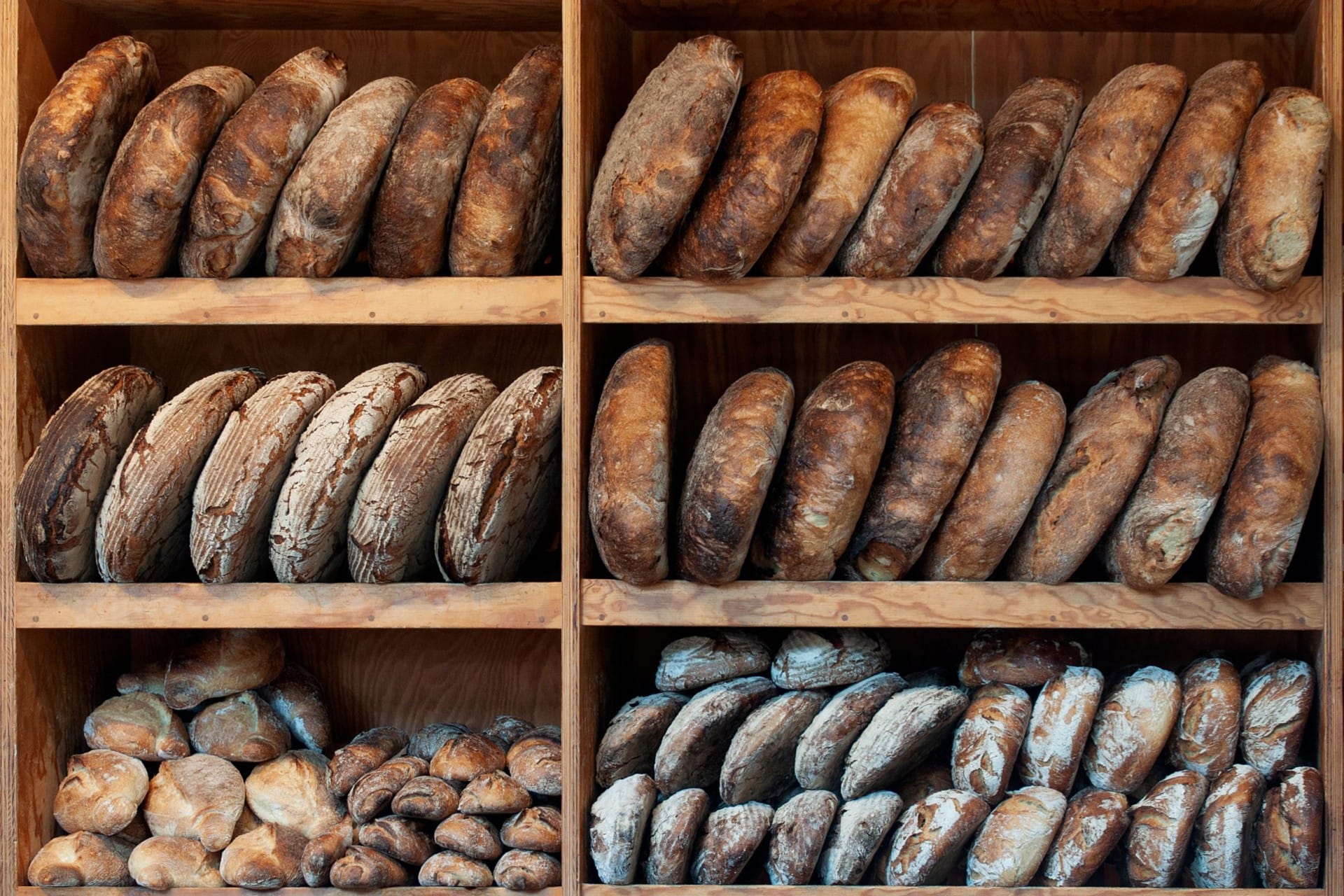
A crush on carbs is set to define comfort dining in the UK catering industry for 2026, with affordable bakery items like loaded crumpets and sweet focaccia gaining popularity. This universal appeal aligns with value-seeking consumers, as Zoe Plant notes: “Affordable and universal.”
To maximise revenue, operators can feature carb-centric menus in brunch or event catering, expanding artisan bakeries like B Bagel for growth. Pairing with innovative drinks, such as tea tonics or zebra striping options, extends sales and caters to no/low alcohol trends. This creates comforting, shareable experiences that drive social media buzz and higher spend.
Conclusion: Positioning for Success in 2026
As the UK catering industry heads into 2026, operators who focus on these trends—sustainability, health, global flavours, technology, efficiency, experiences, and carbs—will be best placed to maximise revenue. By integrating these elements, businesses can reduce costs, attract loyal customers, and differentiate in a crowded market. Whether through hyper-local sourcing or digital personalisation, the key is innovation with purpose. Stay ahead by monitoring consumer insights and adapting swiftly; the rewards in profitability and growth will follow. For catering professionals, now is the time to invest in these strategies to ensure a prosperous year ahead.
A trend is worth having when it survives a Saturday service. More on kitchen technology and AI.