Enhancing Efficiency in Catering Services
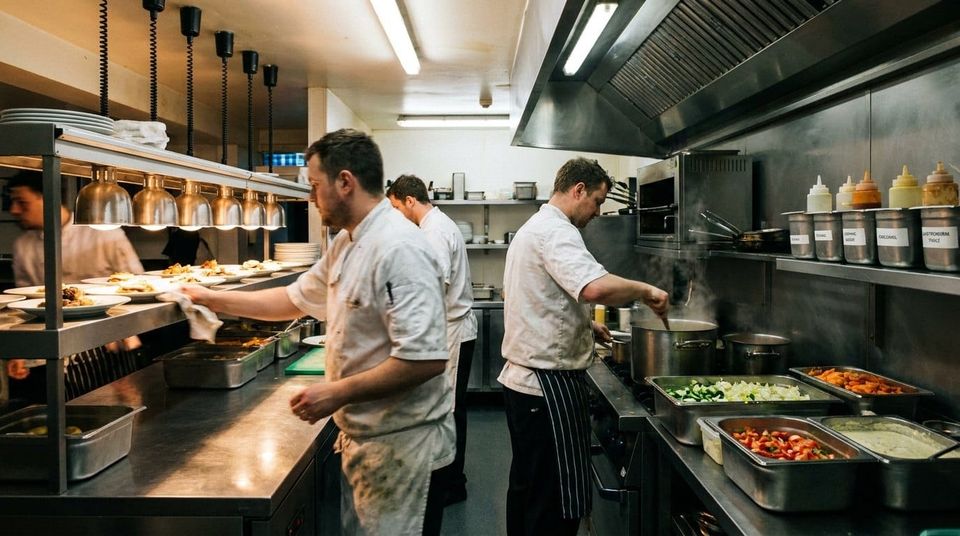
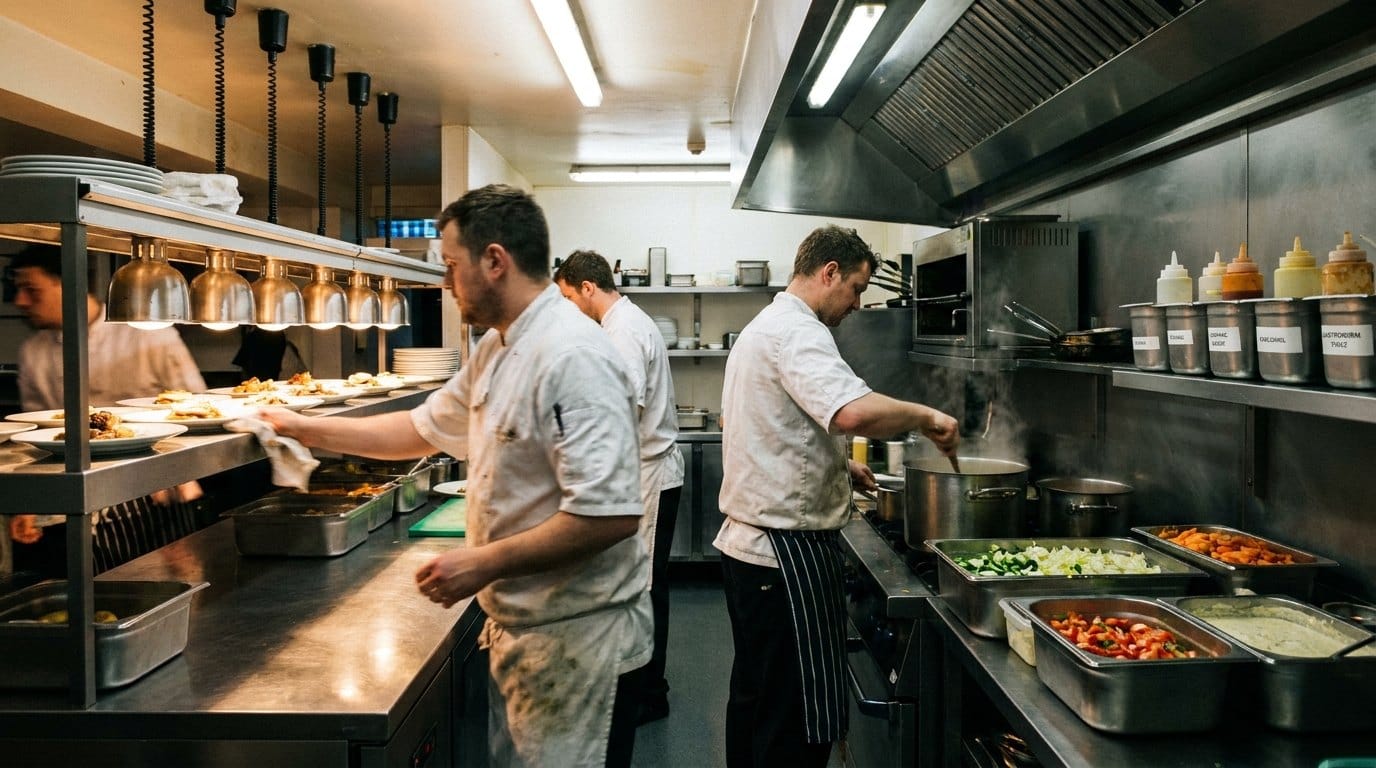
Ignite Your Catering Transformation
Dive into a journey of streamlined operations and elevated service as you explore innovative methods to boost your catering efficiency. This introduction sets the stage for discovering pragmatic strategies crafted to tackle everyday challenges in the hospitality landscape. Whether you’re refining back-of-house workflows or reimagining customer-facing experiences, this guide will equip you with actionable insights designed for real-world impact.
In this section, you will learn how to:
- Analyse and restructure your workflow to reduce operational bottlenecks.
- Implement targeted staff training initiatives that enhance productivity.
- Utilise modern technology and localized solutions to fine-tune performance.
- Adapt strategies to suit the unique demands of both bustling urban centers and quaint community settings.
These actionable tips and best practices are derived from industry insights and are intended to serve as a springboard for continuous improvement. By understanding and applying these principles, you’ll be better prepared to address inefficiencies, adapt to changing market dynamics, and ultimately create a more agile, resourceful catering operation. Embrace the expertise shared here and take the first step toward a more efficient and innovative catering service.
Mastering Daily Operational Hurdles
Catering operations face a unique blend of challenges that impact efficiency across task management, resource allocation, and customer service. Addressing these complexities is crucial for creating a seamless service experience. In busy kitchens and event settings alike, managers must juggle multiple responsibilities under tight deadlines. Task management often involves coordinating staffing schedules, handling last-minute changes, and ensuring that all stations work in sync.
Equally important is resource allocation. Balancing limited supplies with peak demand requires a proactive approach. Consider the following strategies:
- Prioritise tasks: Develop a clear list of daily objectives, ensuring that critical operations are addressed first.
- Streamline inventory management: Use routine checks to forecast demand and prevent shortages.
- Enhance communication: Implement a feedback loop between front-of-house and kitchen staff to quickly resolve customer concerns.
Customer service challenges arise when unexpected issues disrupt operations. In densely populated urban areas or regional markets, ensuring prompt, attentive service is essential. By adopting practical, actionable tips, catering professionals can mitigate these challenges, leading to smoother operations and an improved dining experience for every customer.
Streamline Operations with Smart Task Management
Elevate your catering operations by implementing a step-by-step plan for optimizing task management and resource allocation. Start by mapping out every activity from food preparation to final service, ensuring you pinpoint inefficiencies and unnecessary redundancies.
- Evaluate and Prioritize Tasks:
- List all operational processes and determine which tasks are most critical.
- Eliminate steps that do not add value to streamline workflow.
- Allocate Resources Effectively:
- Assign team members to roles that best match their skill sets.
- Create detailed schedules to balance workload and minimize overlap.
- Regularly review equipment usage to ensure everything is maintained and functional.
- Embrace Technology:
- Implement digital tools to track order progress, inventory, and staff scheduling.
- Use performance dashboards to monitor real-time task completion and resource utilisation.
- Continuous Improvement:
- Periodically assess workflow efficiency and adjust processes based on feedback.
- Incorporate local market insights to fine-tune resource allocation in busy urban hubs or regional settings.
Following these actionable steps will help transform everyday challenges into strategic opportunities, fostering a smoother, more resilient catering operation.
Real-World Success Stories in Streamlining Catering Operations
Discover how leading catering services are transforming their operations by embracing innovative practices and technological advancements. These success stories offer invaluable insights for any catering professional aiming to refine operational efficiency. By analyzing proven strategies, businesses can learn how to reduce waste, improve team coordination, and optimize back-of-house and front-of-house workflows.
Key lessons include:
- Workflow Optimisation: Reorganising kitchen layouts and standardising procedures to minimise bottlenecks.
- Enhanced Staff Training: Implementing systematic training sessions that improve coordination and broaden skill sets.
- Technology Integration: Leveraging advanced scheduling and inventory management software to ensure seamless operations.
- Localised Adaptation: Customising processes to address the unique demands of your local market, whether in bustling urban centers or more rural regions.
These approaches not only drive operational improvements but also contribute to a competitive edge in the regional marketplace. Catering services that adopt these practical measures experience tangible benefits, including reduced operational costs and improved customer satisfaction. Embrace these proven strategies to create a well-balanced, efficient kitchen environment that supports sustained growth and exceptional service delivery.
Frequently Asked Questions on Boosting Catering Efficiency
Q: How can optimising kitchen workflows enhance overall efficiency?
A: Streamlining kitchen workflows reduces downtime and minimizes errors during peak hours. By evaluating equipment placement, prep areas, and staff movement, catering professionals can eliminate bottlenecks. Practical adjustments, including rearranging kitchen layouts and implementing routine maintenance, drive smoother operations and faster service.
Q: What role does staff training play in operational performance?
A: Comprehensive training programs empower teams to handle peak operational demands. Hands-on sessions and regular skill updates ensure that every team member follows safety protocols, handles equipment correctly, and contributes to the overall efficiency. This approach significantly reduces errors and improves service delivery.
Q: How is technology integrated to support catering efficiency?
A: Modern software tools and digital dashboards help track inventory, schedule staff, and manage orders in real-time. This integration streamlines processes and minimizes human error, with local businesses finding value in adapting these technologies to unique regional requirements.
Q: What should be considered when updating menus for efficiency?
A: Aligning menus with local ingredient availability and seasonal trends not only cuts down on waste but also reduces costs. Curated menus balance quality with cost-effectiveness while catering to diverse dietary preferences.
Q: How does localised strategy benefit operational improvements?
A: Tailoring approaches based on regional trends and customer preferences ensures that efficiency strategies are both relevant and effective, keeping local operations highly competitive.
Wrapping Up: Your Blueprint for Success
As you reflect on the insights shared throughout this guide, consider the key takeaways that can transform your catering operations. This conclusion outlines actionable steps to help you unlock efficiency and drive operational excellence. Begin by reviewing your existing workflows and rethinking kitchen layouts to eliminate bottlenecks. Embracing targeted staff training will ensure that every team member is equipped with the latest industry practices and safety protocols.
Key steps to implement include:
- Workflow Analysis: Identify and address inefficiencies.
- Team Empowerment: Invest in ongoing training and development.
- Localised Adaptation: Tailor processes to meet specific regional demands.
- Preventive Maintenance: Regularly check equipment to avoid costly downtimes.
Take time to map out a strategic plan that integrates these improvements. By aligning practical strategies with localised market trends, you can optimise both back-of-house and front-of-house operations for sustained growth. Remember, every small adjustment contributes to a robust, efficient system that not only meets today’s challenges but also positions your service for future success. Steer your operations with confidence and transform everyday obstacles into opportunities for lasting improvement.
Ready to Talk? Start with a Free Consultation
If you are looking for a catering consultant in Wales, we would love to hear from you. Our initial consultation is completely free — no obligation, no hard sell, just an honest conversation about your business and how we might be able to help.
We work with hospitality businesses across South Wales, Cardiff, Newport, Swansea, Bristol, and Gloucester.
Contact us: info@onthepassconsultancy.com | +44 (0)7967 736372 | www.onthepassconsultancy.com