Is Your HACCP Data Being Recorded Correctly?
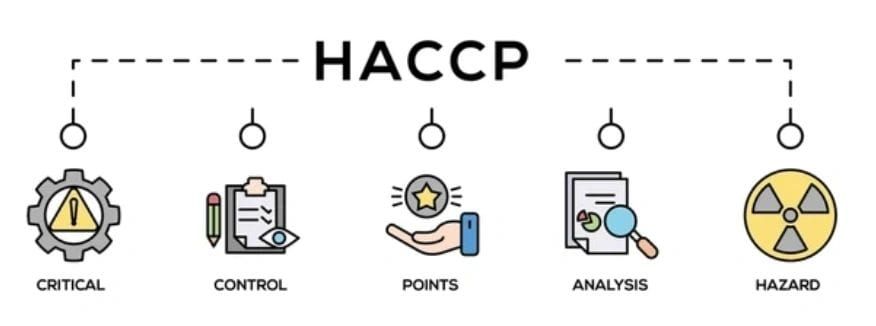
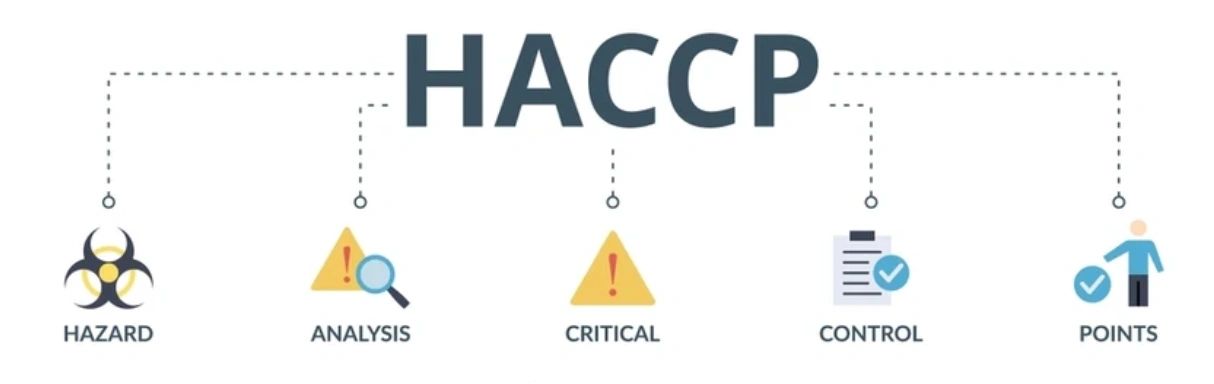
In the bustling world of food production, where every batch counts and consumer trust hangs in the balance, a single oversight can spell disaster. Imagine this: a major supermarket chain recalls thousands of ready meals due to potential contamination, not because the hazard wasn't identified, but because the monitoring data was incomplete and hastily scribbled on a crumpled notepad. Headlines scream, reputations shatter, and livelihoods are lost. This isn't a fictional tale—it's a stark reminder of what happens when Hazard Analysis and Critical Control Points (HACCP) data isn't recorded with the precision it demands.
As food safety regulations tighten and consumer expectations soar, HACCP remains the gold standard for preventing foodborne illnesses. But here's the uncomfortable truth: even the most robust HACCP plans can crumble if the data recording isn't spot-on. In this comprehensive guide, we'll dive deep into the intricacies of HACCP, unpack why accurate record-keeping is non-negotiable, spotlight common pitfalls, and arm you with best practices and cutting-edge tools to fortify your system. Whether you're a small-scale artisan baker or a multinational processor, if you're questioning the integrity of your HACCP logs, it's time to take stock. Let's ensure your data isn't just recorded—it's recorded correctly.
Understanding HACCP: The Foundation of Food Safety
Before we dissect the recording conundrum, let's revisit the basics. HACCP is a preventive approach to food safety, born in the 1960s by NASA engineers tasked with ensuring meals for astronauts were contamination-free. Today, it's enshrined in global standards, from the Codex Alimentarius to EU Regulation 852/2004, mandating its use across the food chain.
At its core, HACCP revolves around seven principles that systematically identify and control hazards—biological (like Salmonella), chemical (such as allergens), and physical (think metal shards). These principles are:
- Conduct a Hazard Analysis: Map out your process flow and pinpoint where hazards could arise.
- Determine Critical Control Points (CCPs): Identify steps where controls can prevent, eliminate, or reduce hazards to safe levels.
- Establish Critical Limits: Set measurable thresholds for each CCP, like a cooking temperature of 75°C.
- Establish Monitoring Procedures: Regularly check CCPs to ensure they're under control.
- Establish Corrective Actions: Define what to do if limits are breached.
- Establish Verification Procedures: Confirm the system works through audits and tests.
- Establish Record-Keeping and Documentation Procedures: The linchpin—document everything to prove compliance.
This seventh principle isn't an afterthought; it's the thread that weaves the entire system together. Without meticulous records, your HACCP plan is little more than a theoretical exercise. Monitoring records, in particular, are the daily pulse of your operations—they document that CCPs are under control and critical limits are met. In essence, HACCP isn't just about preventing risks; it's about proving you did.
Why Accurate HACCP Data Recording is Paramount
In an industry where a single listeriosis outbreak can cost millions and erode years of goodwill, accurate data recording isn't optional—it's existential. Robust records serve multiple masters: regulators, auditors, and your own quality assurance team.
First and foremost, they demonstrate compliance. Bodies like the Food Standards Agency (FSA) in the UK or the FDA in the US require evidence that your HACCP system is effective. Records allow businesses to confidently affirm their plan's efficacy, showing complete, useful, and accurate information that's legible and reflective of real activities. During inspections, these logs are your shield; incomplete ones can trigger fines, shutdowns, or worse.
Beyond compliance, records are a treasure trove for continuous improvement. They track historical trends in production processes, enabling managers to spot patterns—like a recurring spike in pH levels during summer heat—and implement proactive fixes. In corrective action scenarios, they provide the forensic detail needed to trace a deviation back to its root, preventing recurrence.
Moreover, in our litigious age, records are legal lifelines. If a contamination incident occurs, thorough documentation can exonerate your operation by showing due diligence. Conversely, sloppy records invite scrutiny and liability. Consider the human element too: accurate data fosters a culture of accountability, empowering staff to take pride in their role within the safety net.
Yet, despite these imperatives, many organisations falter here. A study by the Food Safety Institute highlights that poor record-keeping is a top contributor to HACCP failures, often leading to undetected breaches that escalate into full-blown crises. The question isn't if your data matters—it's whether yours is up to the task.
Unmasking Common Mistakes in HACCP Data Recording
Even seasoned professionals trip over the same hurdles. Drawing from industry audits and expert analyses, here are seven prevalent errors that undermine HACCP integrity—and how they manifest in real operations.
- Incomplete Hazard Analysis Documentation: Rushing through Principle 1 often results in vague hazard lists that omit lesser-known risks, like cross-contamination from shared equipment. Without detailed rationale, auditors question the plan's thoroughness. In one audit, a dairy processor overlooked allergen carryover, leading to a costly recall.
- Unclear or Unrealistic Critical Limits: Setting limits without scientific backing—say, a temperature threshold pulled from thin air—renders monitoring futile. Records then capture data against benchmarks that don't align with reality, breeding non-compliance.
- Insufficient Monitoring and Falsified Entries: The most glaring sin: skipping checks or backfilling logs post-shift. A survey revealed that 40% of food facilities admitted to occasional "creative" recording under pressure. This not only invalidates data but erodes trust; regulators can spot inconsistencies from a mile away.
- Poor Documentation of Corrective Actions: When a CCP deviates, records often gloss over the "what, why, and how" of fixes. Without this, verification becomes guesswork, and trends go unnoticed.
- Inadequate Training Leading to Errors: Staff untrained in recording protocols might mislabel entries or use wrong units (e.g., Fahrenheit instead of Celsius). This cascades into verification failures.
- Overlooking Verification Records: Many focus on daily logs but neglect calibration certificates or audit trails, creating gaps in the chain of evidence.
- Confusion Between Steps and Principles: A classic blunder—mixing the 12 Codex steps with the seven principles leads to disjointed records that don't tell a cohesive story.
These mistakes aren't benign; they're gateways to hazards. A Brazilian study of 100 food firms found that 70% had errors in hazard specificity and control timelines, directly tied to recording lapses. Recognising them is the first step to rectification.
Best Practices: Forging a Bulletproof Recording System
Turning the tide requires discipline and strategy. Here’s a roadmap to impeccable HACCP data recording, grounded in proven methodologies.
Start with standardised procedures. Develop clear, user-friendly templates for logs that capture who, what, when, where, and how for every entry. Ensure they're accessible—digital checklists trump paper for legibility. For instance, mandate real-time entry via mobile apps to curb falsification.
Next, invest in reliable equipment. Use calibrated thermometers, pH meters, and scales with auto-logging features. Schedule calibrations quarterly and document them religiously—verification hinges on this. Remember, uncalibrated tools produce garbage data, no matter how diligently recorded.
Training is non-negotiable. Roll out annual sessions covering not just HACCP theory but hands-on recording drills. Simulate deviations to build muscle memory for corrective actions. Tailor content to roles: line workers need quick-log tips, while supervisors focus on trend analysis.
Embrace automation where possible. Sensors that ping alerts for out-of-limit readings reduce human error by 80%, per industry benchmarks. Pair this with regular reviews: weekly spot-checks and monthly deep dives to validate records against outcomes.
For record-keeping, adhere to the "complete, useful, accurate" mantra. Store digitally for easy retrieval, with backups to thwart disasters. And don't forget accessibility—cloud-based systems allow remote audits without sifting through filing cabinets.
Finally, foster a culture of accountability. Reward meticulous teams and lead by example. When recording becomes habit, not chore, your HACCP thrives.
The Digital Revolution: Tools to Supercharge Your HACCP
Gone are the days of dog-eared clipboards. Digital tools are transforming HACCP from a paperwork nightmare into a streamlined powerhouse, slashing errors and boosting efficiency.
Take HACCP plan software like FoodDocs, which auto-generates plans from regulatory data and feedback, complete with monitoring dashboards. Users report 50% faster compliance checks, with real-time alerts for CCP breaches.
For on-the-floor action, Allera Technologies offers intuitive apps for manufacturers, integrating IoT sensors for seamless data capture. Its mobile interface lets staff log temperatures via Bluetooth thermometers, auto-stamping entries with GPS for traceability.
Operandio shines for SMEs, blending free tiers with paid scalability for tasks like allergen tracking. Meanwhile, FoodReady AI leverages machine learning to predict deviations, flagging anomalies before they hit records.
Hardware innovators like ThermoWorks' Saf-T-Log provide paperless thermometers that store readings, generate reports, and even offer pass/fail feedback on-site. For broader ecosystems, PathSpot automates hand hygiene logging alongside HACCP, linking sanitation data to production records.
The perks? Real-time visibility, reduced admin (up to 70% time savings), and ironclad audit trails. In 2025, as AI integrates deeper, expect predictive analytics to preempt issues, making "correct" recording proactive, not reactive.
Real-World Lessons: Case Studies in Recording Triumphs and Tribulations
Theory meets practice in these anonymised tales from the trenches.
Case Study 1: The Poultry Processor's Pitfall
A UK-based chicken supplier faced a Salmonella scare in 2023. Audits revealed incomplete monitoring logs—no timestamps on chiller temps, and corrective actions scribbled ambiguously. The result? A £250,000 fine and six-month supply halt. Root cause: overburdened staff skipping entries. Post-incident, they adopted digital checklists, slashing errors by 90% and restoring FSA confidence.
Case Study 2: Bakery's Digital Dawn
A Midlands artisan bakery struggled with manual logs amid seasonal rushes. Deviations in dough proofing temps went unnoticed, risking mould. Switching to Operandio's app automated logs and alerts, enabling trend analysis that optimised recipes. Output rose 20%, with zero recalls in two years.
Case Study 3: Seafood Plant's Validation Victory
In a Norwegian facility, verification records were patchy, failing to link CCP data to scientific studies. A mock audit exposed this, prompting integration of FoodReady AI for validated benchmarks. Now, their system withstands third-party scrutiny effortlessly.
These stories underscore a truth: recording errors are recoverable, but ignoring them is reckless. As one expert notes, "HACCP's strength lies in its documentation; weaknesses there cascade everywhere."
Conclusion: Safeguard Your Legacy, One Entry at a Time
In the grand theatre of food safety, HACCP data recording is the unsung hero—quietly ensuring scenes unfold without catastrophe. We've journeyed from its seven pillars to the pitfalls that plague even pros, armed you with best practices, and spotlighted digital allies that propel precision.
The verdict? If your logs are riddled with gaps, illegible scrawls, or after-the-fact amends, your HACCP is vulnerable. But transformation is within reach: audit your current setup today, train tomorrow, and digitise by quarter's end. Your consumers, regulators, and bottom line will thank you.
Ready to audit? Download a free HACCP checklist from the FSA site or trial a tool like FoodDocs. Because in food safety, "good enough" isn't—correct recording is. What's your first step?