Hygiene and Chemical Safety in Hospitality
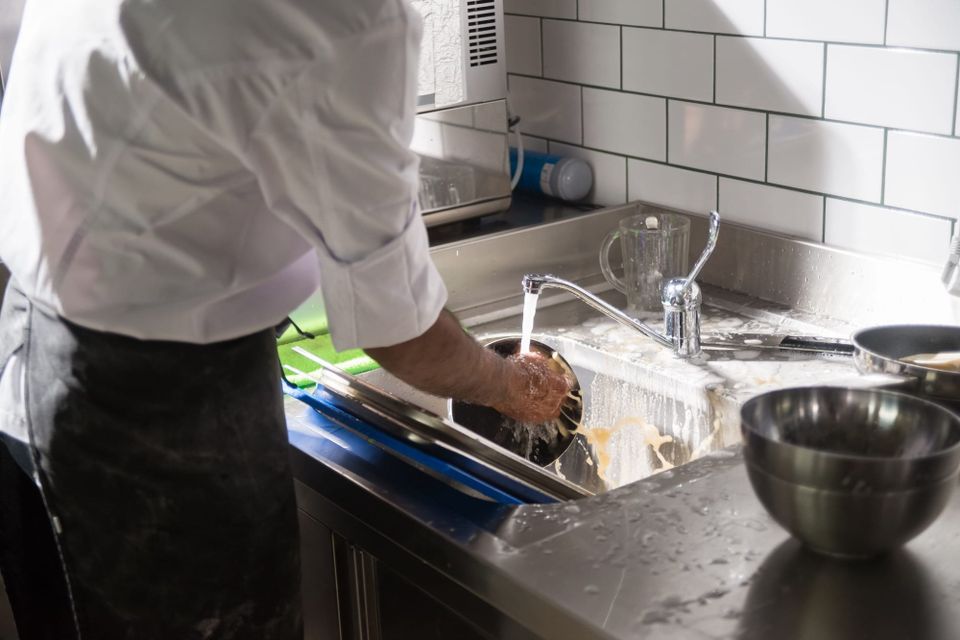
In the fast-paced world of hospitality, where guest satisfaction is paramount, maintaining impeccable standards of hygiene and chemical safety is not just a regulatory requirement but a cornerstone of operational success. From bustling hotel kitchens to cosy bed-and-breakfasts, the industry handles a myriad of cleaning agents, disinfectants, and food preparation processes that, if mismanaged, can lead to serious health risks for staff and patrons alike. In the UK, organisations such as the Health and Safety Executive (HSE) and the Food Standards Agency (FSA) provide essential guidance to mitigate these dangers. This blog post delves into the critical aspects of hygiene and chemical safety, exploring best practices, legal obligations, and preventive measures to ensure a safe environment. With the post-pandemic emphasis on cleanliness, understanding these elements has never been more vital. Whether you're a seasoned hotelier or a newcomer to the sector, adopting robust protocols can prevent accidents, reduce liability, and enhance your establishment's reputation.
Hygiene in hospitality encompasses everything from food handling to surface cleaning, directly impacting public health. Poor hygiene can result in foodborne illnesses, allergic reactions, or even outbreaks that tarnish a business's image. Chemical safety, meanwhile, addresses the hazards posed by substances used daily, such as bleaches and degreasers, which can cause burns, respiratory issues, or long-term health problems if not handled correctly. According to industry insights, hazardous chemicals are among the top risks in hospitality, contributing to a significant portion of workplace injuries. This post will outline key principles, drawing on UK-specific regulations like the Control of Substances Hazardous to Health (COSHH) to offer practical advice. By the end, you'll have a comprehensive toolkit to foster a culture of safety in your operations.
Understanding Hygiene in Hospitality
At the heart of hygiene in the hospitality industry lies the prevention of contamination and the promotion of safe practices. The Food Standards Agency emphasises the '4Cs' as foundational pillars: Cleaning, Cooking, Chilling, and Cross-contamination prevention. These principles form the basis of Hazard Analysis and Critical Control Point (HACCP) systems, which businesses must implement to identify and manage risks systematically.
Cleaning involves thorough sanitisation of surfaces, utensils, and equipment to remove dirt and bacteria. For instance, worktops should be disinfected regularly using appropriate agents, ensuring no residues that could taint food. Cooking requires heating food to safe temperatures—typically 75°C or above—to kill harmful pathogens like Salmonella or E. coli. Chilling mandates keeping perishable items at 5°C or below in refrigerators, with regular temperature checks to avoid the 'danger zone' between 8°C and 63°C where bacteria multiply rapidly. Cross-contamination prevention means separating raw and ready-to-eat foods, using colour-coded chopping boards, and ensuring utensils are not shared between tasks.
Personal hygiene is equally crucial. Staff must maintain high standards, including frequent handwashing with soap and hot water for at least 20 seconds, especially after handling raw meat or using the toilet. Uniforms should be clean and changed daily, while long hair must be tied back and jewellery minimised to prevent contamination. Illness reporting is mandatory; employees with symptoms like vomiting or diarrhoea should not handle food until fully recovered, as per FSA guidelines.
Staff training underpins these practices. UK law requires food business operators to provide supervision and instruction commensurate with employees' roles, though a formal certificate isn't always necessary. Training can be on-the-job or through free online courses offered by the FSA, covering topics like allergen awareness and safe food storage. Regular refreshers ensure compliance and adapt to new threats, such as emerging pathogens.
Legal requirements in the UK are stringent. Businesses must register with local authorities and undergo inspections, potentially earning a Food Hygiene Rating from 0 to 5. Displaying this rating is compulsory in Wales and Northern Ireland, and voluntary in England, but it influences customer trust. Non-compliance can lead to fines, closures, or prosecutions under the Food Safety Act 1990. Proper storage and transport are also mandated: dry goods in sealed containers away from contaminants, and chilled items in insulated vehicles to maintain the cold chain.
Implementing these hygiene measures not only complies with the law but also boosts efficiency. For example, organised storage reduces waste, while trained staff work more confidently, minimising errors. In hospitality settings like restaurants or hotels, where turnaround is quick, these protocols prevent costly disruptions from health scares.
Chemical Safety Fundamentals
Chemical safety in hospitality addresses the risks from substances integral to cleaning and maintenance. Common agents include bleaches, degreasers, oven cleaners, and sanitisers, which can cause skin burns, eye damage, or respiratory problems if mishandled. The HSE highlights that many hospitality workers are exposed to these daily, necessitating robust controls.
Central to this is COSHH, a UK regulation requiring employers to assess risks from hazardous substances and implement preventive measures. Assessments involve identifying chemicals, evaluating exposure routes (inhalation, skin contact, ingestion), and determining controls. Safety data sheets from suppliers provide vital information on hazards, safe handling, and emergency responses.
Storage is a key precaution. Chemicals should be kept in original, labelled containers in locked, well-ventilated cupboards away from food areas and heat sources to prevent reactions or leaks. Incompatible substances, like acids and alkalis, must be segregated to avoid dangerous mixtures. Shelving should be sturdy, with spill trays to contain leaks.
Personal Protective Equipment (PPE) forms the last line of defence. Gloves, goggles, aprons, and masks are essential when using corrosives like oven cleaners or chlorine-based pool disinfectants. Training ensures staff use PPE correctly and understand its limitations—it's not a substitute for safer practices.
Risks are multifaceted. Bleach can release toxic fumes if mixed with ammonia, leading to lung damage. Degreasers, highly alkaline, cause burns on contact. Alcohol-based sanitisers are flammable, posing fire hazards. Inhalation of fumes from laundry detergents or dishwasher chemicals can irritate airways over time.
Prevention starts with substitution: opt for less hazardous alternatives where possible, like enzyme-based cleaners over harsh acids. Ventilation is crucial—use extractor fans in kitchens to disperse vapours. Spill response protocols include immediate evacuation if fumes are present, using absorbents, and rinsing affected areas with water.
Emergency facilities are mandatory. Eye wash stations and safety showers should be within 10 seconds' reach of hazard zones, allowing quick decontamination. Regular drills prepare staff for incidents, minimising harm.
Ongoing assessments are vital. As new products are introduced or operations change, reviews ensure controls remain effective. Documentation of assessments and training records demonstrates due diligence during inspections.
By prioritising chemical safety, hospitality businesses protect their workforce and guests, fostering a resilient operation.
Common Hazards and Prevention Strategies
Beyond chemicals, hospitality faces diverse hazards, but chemicals often intersect with others like slips from spills or fires from flammable substances. The five common ones include slips, trips, and falls; manual handling injuries; hazardous chemicals; fire risks; and mental health issues.
Slips often stem from chemical spills or wet floors post-cleaning. Prevention involves immediate cleanup, 'wet floor' signs, and slip-resistant footwear.
Manual handling injuries arise when lifting heavy chemical containers. Training in proper techniques—bending at the knees, keeping loads close—reduces strain.
Hazardous chemicals, as detailed, require COSHH compliance, PPE, and secure storage to prevent burns or inhalation.
Fire hazards are exacerbated by flammable cleaners near heat sources. Regular servicing of equipment and proper storage mitigate this.
Mental health hazards, though less tangible, can be worsened by chemical exposure stress. Supportive cultures with EAPs help.
Focusing on chemicals, prevention includes recognising symbols (corrosive, toxic) and spill management. In kitchens, degreaser fumes demand ventilation.
Integrated approaches, like comprehensive training covering all hazards, ensure holistic safety.
Best Practices and Real-World Examples
Adopting best practices involves regular audits, employee involvement, and technology like automated dispensers for chemicals to reduce exposure.
A case study: A UK hotel chain faced fines after a chemical spill injured staff due to poor storage. Post-incident, they implemented COSHH training and improved facilities, slashing incidents by 50%.
Conclusion
Hygiene and chemical safety are indispensable in hospitality, safeguarding health and business viability. By embracing the 4Cs, COSHH, and preventive strategies, operators can create secure environments. Commit to ongoing training and assessments—your guests and staff deserve nothing less. For more resources, consult the HSE and FSA websites
A lot of hygiene problems start as layout problems, which is a kitchen design conversation.