Maximising Energy Efficiency in Commercial Kitchens
Ignite Your Kitchen’s Efficiency Revolution
Commercial kitchens are evolving rapidly, and energy efficiency has taken center stage in modern culinary environments. Smart design and advanced equipment not only reduce energy consumption but also streamline operations, offering a dual benefit of cost savings and improved sustainability. In today’s high-demand setting, energy-efficient appliances and innovative layout plans are essential for maintaining peak performance.
By embracing energy conservation, kitchens can:
- Lower operational expenses through reduced energy usage
- Enhance environmental sustainability with modern, eco-friendly systems
- Optimize layout and workflow design for smoother operations
This guide will delve into how cutting-edge technology, smart equipment choices, and thoughtful design strategies can all contribute to a more efficient commercial kitchen. Whether you’re revamping an existing space or designing a new operation, understanding these principles can drive significant long-term benefits. Throughout the discussion, you’ll discover actionable tips and industry insights that offer practical solutions, from equipment selection to optimising spatial design. Embrace an energy-efficient approach and set the stage for a more productive, sustainable kitchen environment.
Cutting-Edge Solutions for Smarter Kitchens
Commercial kitchens are evolving with energy-efficient appliances that deliver improved performance and reduced operating costs. By integrating innovative technology, these appliances are engineered to optimize energy consumption without sacrificing functionality. Energy-efficient units work by leveraging advanced sensors, precision temperature control, and smart power management systems that adapt to operational demands. This ensures consistent performance while cutting down excess energy use—a crucial factor in busy urban centers like Bristol, Gloucester, or Cardiff.
Key benefits include:
- Lower utility bills through reduced power consumption
- Enhanced durability and performance for long kitchen shifts
- Cleaner installations resulting in easier maintenance routines
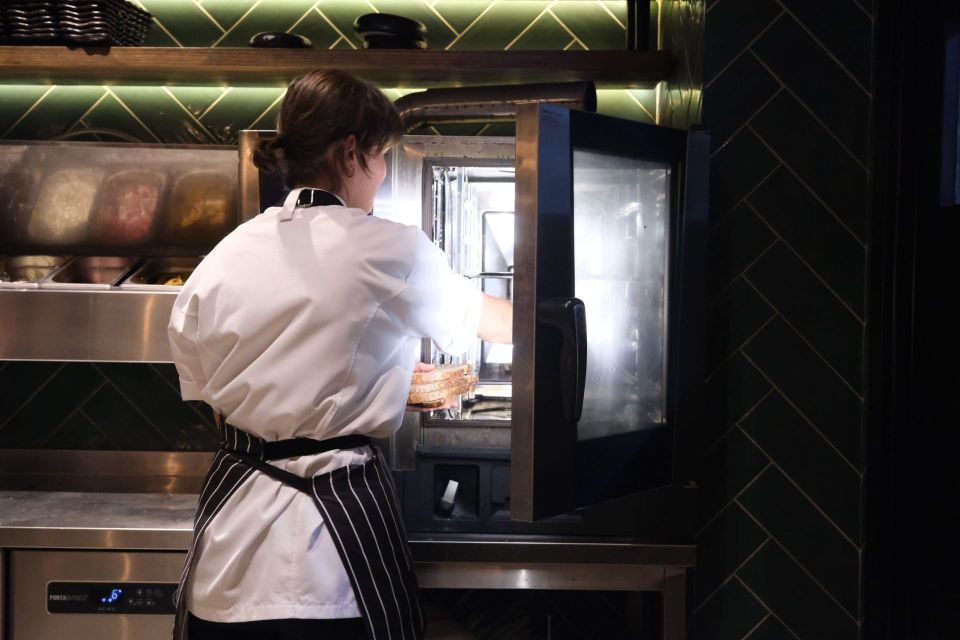
For various kitchen needs, selecting the right appliance can make a significant difference. For instance, convection ovens with rapid heat distribution are ideal for evenly cooked dishes, while energy-saving refrigeration units maintain optimal storage conditions without compromising temperature stability. Using equipment designed to conserve energy not only supports your kitchen’s operational flow but also supports your sustainability goals. These practical insights into energy-efficient appliances provide tangible solutions for enhancing productivity in modern commercial kitchens.
Smart Kitchen Design for Sustainable Operations
Transforming your commercial kitchen into an energy-saving powerhouse starts with a systematic approach. Follow these actionable steps to implement smarter, greener practices:
- Assess Your Current Layout:
Evaluate your kitchen's design and workflow to identify areas of energy waste. Look for outdated equipment, excessive appliance clustering, or inefficient ventilation. Consider periodic audits to benchmark energy performance. - Upgrade to Energy Efficient Equipment:
Invest in modern, high-performance appliances that optimize energy use. This includes energy-star rated ovens, refrigeration, and combination units.
• Tip: Schedule regular maintenance to ensure they operate at peak efficiency. - Optimise Kitchen Workflow:
Streamline daily operations by reorganizing workstations to reduce unnecessary movement. Implement energy-saving protocols in food preparation, storage, and service.
• Tip: Train staff on energy conservation techniques and best practices. - Incorporate Smart Technologies:
Utilise automated lighting controls and advanced HVAC systems that adjust to workload fluctuations. This approach not only curtails energy costs but also enhances operational efficiency.
By carefully planning and executing these steps, you can make a notable impact on energy efficiency in your commercial kitchen, whether in vibrant urban centers like Bristol and Cardiff or quieter regional hubs.
Busting the Myths Around Energy-Efficient Catering Equipment
Commercial kitchens today are embracing smart solutions, yet several misconceptions still cloud decisions about energy-efficient catering equipment. Here are the top 5 myths debunked for a clearer understanding:
- High Costs Mean Low Returns
Many believe that eco-friendly equipment comes with an exorbitant price tag. In reality, the initial investment is offset by long-term energy and maintenance savings, making it a cost-effective upgrade for kitchens in cities like Bristol and Cardiff. - Compromised Performance
The idea that energy-efficient models underperform is outdated. Modern equipment delivers robust performance while reducing energy consumption, ensuring that high output goes hand-in-hand with sustainability. - Disruptive Transitions
Some fear that upgrading equipment will halt operations. However, many systems are designed for easy integration into existing kitchen layouts, ensuring a smooth transition without significant downtime. - A Luxury, Not a Necessity
Energy efficiency isn’t a trendy accessory—it's a practical approach to cutting costs and reducing environmental impact, essential for any competitive kitchen environment. - All Equipment Is Created Equal
Not every energy-efficient model offers the same benefits. It’s crucial to evaluate specific features and capabilities so your kitchen can truly maximise its operational efficiency.
Energy-Efficient Kitchen FAQ's
What are the main benefits of using energy-saving kitchen equipment?
Modern equipment reduces power consumption while maintaining peak performance. Upgraded appliances often feature sensors, improved insulation, and automated shutdowns that lead to long-term savings.
How does an optimized layout boost energy efficiency?
A well-planned commercial kitchen minimizes unnecessary equipment use and shortens workflow paths. This reduces energy waste from constant restarting and maintains consistent operating temperatures.
Which routine maintenance practices improve energy performance?
Regular cleaning and servicing help equipment run efficiently. Check seals, replace filters, and ensure proper calibration to prevent energy loss and extend appliance life.
How do energy-efficient solutions lower operating costs?
By reducing electricity use and cutting waste, kitchens can lower utility bills significantly, easing budget pressures and contributing to a more sustainable operation.
What factors should be considered before upgrading kitchen equipment?
Assess current energy consumption, space utilisation, and anticipated load. Factor in local utility regulations and sustainability initiatives to make informed choices that align with your operational goals.
Can local energy regulations influence equipment choices?
Absolutely. Local codes often require compliance with energy-efficiency standards, encouraging investments that support both environmental goals and economic savings.
Reflecting on Energy Efficiency Advancements
As our discussion draws to a close, it's clear that energy efficiency is not just a trend—it’s a transformative strategy for commercial kitchens. Embracing cutting-edge practices can drastically reduce operational costs while enhancing sustainability in daily operations. With advancements like smart catering equipment and digital monitoring systems, kitchens across Bristol, Gloucester, and Cardiff are poised to achieve remarkable efficiency gains.
Key takeaways include:
- Streamlining workflows to minimise energy consumption.
- Integrating modern equipment that balances performance with eco-friendly design.
- Emphasising hands-on staff training to ensure consistent application of energy-saving techniques.
Actionable next steps:
- Assess your current kitchen setup and identify areas ripe for upgrade.
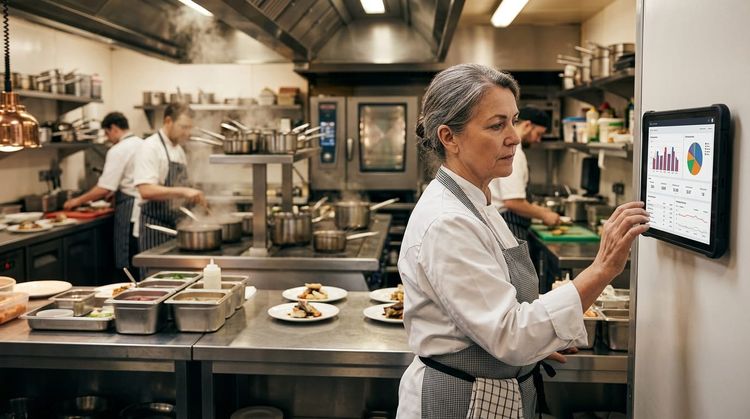
- Invest in technology that allows for real-time energy monitoring.
- Implement structured training programs to educate your team on energy conservation practices.
These initiatives not only promise immediate benefits but also set the foundation for long-term operational excellence. Embrace innovation and make decisive steps today to transform your commercial kitchen into a model of efficiency and sustainability. The future is bright when every energy-conscious decision drives your business toward greater profitability and environmental responsibility.