The Future Commercial Kitchens of Tomorrow: Modular Robotics
Embracing a New Era in Culinary Innovation
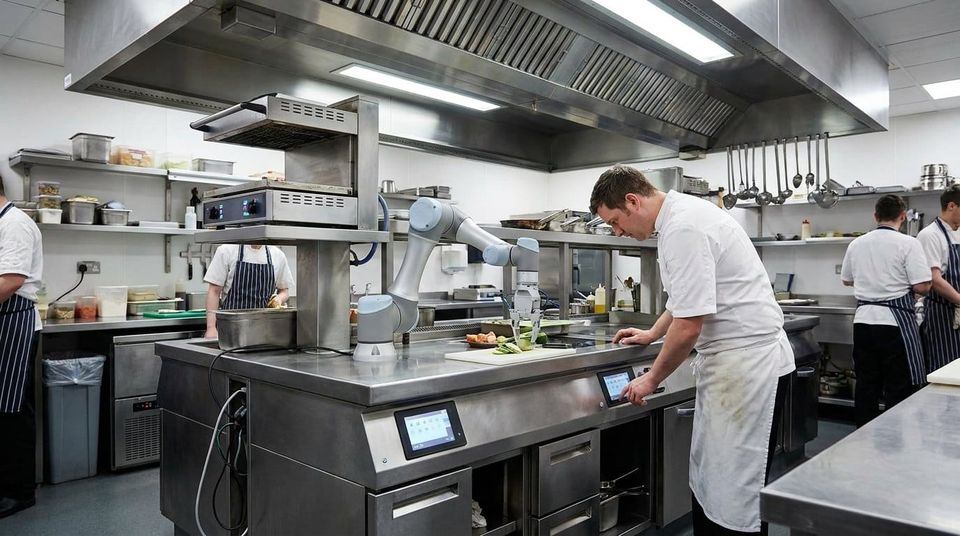
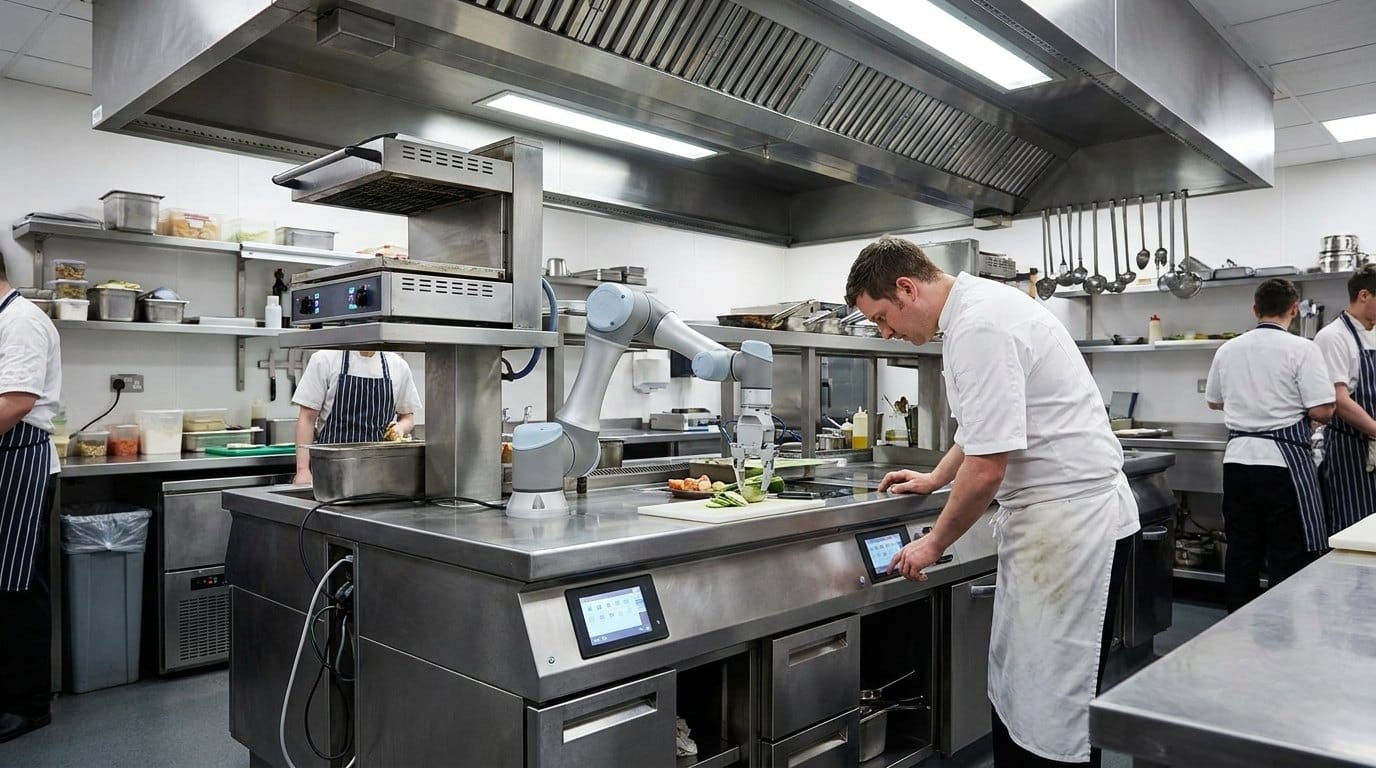
Step into a landscape where commercial kitchens are rapidly evolving with the integration of modular robotics and smart technology. This new era of culinary innovation is redefining how kitchens operate, offering practical solutions to space constraints, workflow bottlenecks, and energy consumption challenges faced by many urban and local establishments. By harnessing the advantages of modular design and adaptive automation, kitchens are becoming more agile and efficient, ready to meet the demands of a fast-paced food industry.
In this section, you will discover:
- Dynamic layout adaptability: Learn how modular units allow for quick reconfigurations that respond to variable service needs.
- Seamless technology integration: Understand the role of smart sensors and robotics in automating routine tasks.
- Energy-efficient operations: Gain insights into strategies that help reduce energy waste and optimize resource use.
This introduction sets the stage for a detailed exploration of practical methods and actionable tips designed to revitalize your culinary space. Prepare to delve into the transformative trends that are not just theoretical but are actively shaping modern kitchens into cutting-edge, cost-effective, and versatile operations.
Pioneering Efficiency: How Modular Robotics Transform Commercial Kitchens
Step into a new era where modular robotics redefine kitchen performance. Today’s commercial kitchens are embracing robotics to streamline operations and enhance adaptability, making them more responsive to daily challenges. By integrating state-of-the-art modular units, culinary environments now benefit from optimized workflows and rapid reconfiguration options that meet fluctuating demand.
These advanced systems provide tangible benefits, including:
- Flexible workstation layouts: Adjusting instantly to peak service periods and varied menu demands.
- Automated task management: Minimising manual intervention in repetitive processes to focus on precision and creativity.
- Energy optimization: Smart sensors ensure responsible energy use and support compliance with local sustainability standards.
Urban centers and local culinary hubs are particularly poised to benefit from these innovations. The technology allows kitchens to overcome spatial constraints and operational bottlenecks by offering customizable solutions that enhance productivity. Embracing modular robotics equips culinary teams with a powerful toolkit for reimagining kitchen design and tackling common efficiency hurdles. With actionable strategies and a focus on adaptability, this transformative advancement not only streamlines processes but also paves the way for a more dynamic and future-ready kitchen environment.
Transforming Kitchen Efficiency with Modular Robotics
In today’s fast-paced food service industry, integrating modular robotics is reshaping commercial kitchens by merging innovation with operational demands. This technology enhances flexibility and precision, enabling culinary teams to adapt swiftly to peak service times and evolving menu requirements, especially across urban centers and local dining hubs.
Modular robotics offer significant benefits:
- Enhanced Flexibility: Quickly adjust kitchen layouts and streamline workflows.
- Operational Consistency: Automate repetitive tasks, reducing errors and ensuring steady production.
- Improved Energy Management: Smart sensors optimize energy usage, lowering costs and supporting sustainability.
However, these advancements come with challenges. Initial investment and staff training can present hurdles, while integrating new systems with traditional equipment may require detailed planning. Adapting workflows to harness robotic efficiency calls for a thoughtful, phased approach that minimizes disruption.
By carefully balancing these benefits and challenges, culinary professionals can turn technological innovation into a competitive edge. Embracing modular robotics means future-proofing operations with practical strategies and continuous performance reviews, ensuring your kitchen remains agile and capable of meeting modern industry demands.
Pioneering Success in Kitchen Robotics Integration
Across bustling urban centers and refined local establishments, modular robotics are rapidly proving their worth by transforming culinary operations. In kitchens from busy New York bistros to innovative culinary hubs in London, real-world case studies illustrate how these systems redefine layout efficiency and operational flow. Successful implementations have showcased a range of benefits, including automated prep stations, smart sensor monitoring for energy management, and optimised workflow designs that accommodate fluctuating service demands.
Key examples include:
- Rapid reconfiguration: Kitchens that quickly adapt workstations during peak hours.
- Enhanced hygiene and safety: Automation reduces manual handling, thereby lowering contamination risks.
- Streamlined operations: Robotic modules seamlessly integrate with existing appliances to cut down on preparation time.
These documented successes highlight actionable strategies for culinary professionals aiming to overcome common pain points such as limited space, high labor costs, and inconsistent energy usage. The integration of modular robotics not only boosts productivity and sustainability but also offers a scalable solution adaptable to the nuanced needs of both small local diners and major metropolitan outlets. Embracing such innovative technologies can ultimately lead to a more agile, efficient, and future-ready commercial kitchen.
Smart Kitchen Robotics FAQ
Q: How do modular robotics streamline kitchen operations?
Modular robotics automate repetitive tasks and enable easy reconfiguration of workspaces to tackle peak service times. Their dynamic nature reduces downtime and enhances overall productivity in fast-paced urban kitchens.
Q: Can these systems adapt to different kitchen sizes?
Absolutely. Their scalable design fits both compact setups and larger production kitchens, allowing experienced culinary teams to maximise space and efficiency regardless of layout constraints.
Q: How is the integration with existing equipment managed?
Implementation is typically phased. Initial audits identify optimal integration points, followed by custom system setups that minimise disruption while training staff to handle new workflows seamlessly.
Q: What role do smart sensors play in these systems?
Smart sensors continuously monitor energy consumption and operational performance, promoting better resource management and proactive maintenance—crucial features for high-demand local culinary hubs.
Q: How do modular robotics contribute to energy efficiency?
By automating routine processes and providing real-time data, these solutions help kitchens reduce unnecessary energy usage while supporting sustainable practices and lowering overhead costs.
Final Thoughts: Shaping Tomorrow’s Culinary Landscape
In conclusion, the integration of modular robotics is set to redefine the commercial kitchen landscape, driving efficiency and innovation in ways we are only beginning to understand. This emerging technology promises not only improved operational flow and heightened productivity in both urban hubs and local culinary establishments, but also a transformative approach to kitchen design and energy management. By embracing these intelligent systems, kitchens can benefit from:
- Dynamic adaptability: Quickly reconfigure workstations to meet varying service demands.
- Enhanced efficiency: Automate routine tasks, allowing culinary teams to focus on crafting exceptional dishes.
- Best practices for sustainability: Leverage energy-saving modules that reduce overheads and promote environmental compliance.
Moving forward, culinary professionals are encouraged to assess current operations for potential automation benefits, plan a phased introduction of robotics, and invest in staff training to ensure a smooth integration process. By staying abreast of these technological advancements, you can position your kitchen at the forefront of innovation. Take the next step towards a more agile and productive environment—embrace the future by integrating modular robotics and witness your culinary operations evolve into a more sustainable and efficient platform.