Embrace Current Food Trends To Minimise Food Waste, Be Creative
Fellow Chefs and business operators, as we navigate the UK catering landscape in February 2026, clients increasingly demand transparency around nutritional information for catered dishes—driven by health-conscious corporate events, wellness-focused weddings, and stricter expectations around balanced menus. Adding clear nutritional breakdowns per serving not only builds trust but also positions your offerings as thoughtful and premium, helping drive repeat business and upsell opportunities in sustainable, plant-based, and fusion catering.
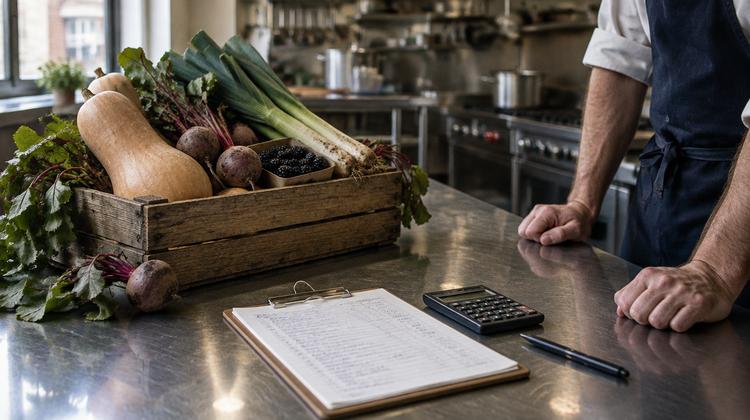
Sustainable zero-waste catering is set to dominate UK events in 2026, focusing on minimising food waste through root-to-stem cooking and local sourcing. This trend appeals to eco-aware clients, reducing costs by up to 20% on ingredients while allowing for premium "green" menu up charges, ultimately driving sales in the UK Hospitality market, we are experiencing challenging times with literally every cost going up, with operators left scratching their heads on what do to keep the footfall coming without alienating them by putting up the menu costs to the consumer.
The Recipes below are approximate nutritional information per serving (based on standard calculations for the listed ingredients, excluding optional garnishes like eggs, yoghurt, naan/rice, or lemon wedges unless integral). These are estimates for one portion as scaled in the recipes; always verify with your exact ingredients and portioning for full compliance in professional settings.
1st Sustainable Zero-Waste Catering Trend for 2026
Sustainable zero-waste catering is set to dominate UK events in 2026, focusing on minimising food waste through root-to-stem cooking and local sourcing. This trend appeals to eco-aware clients, reducing costs by up to 20% on ingredients while allowing for premium "green" menu upcharges, ultimately driving sales in corporate and wedding sectors.
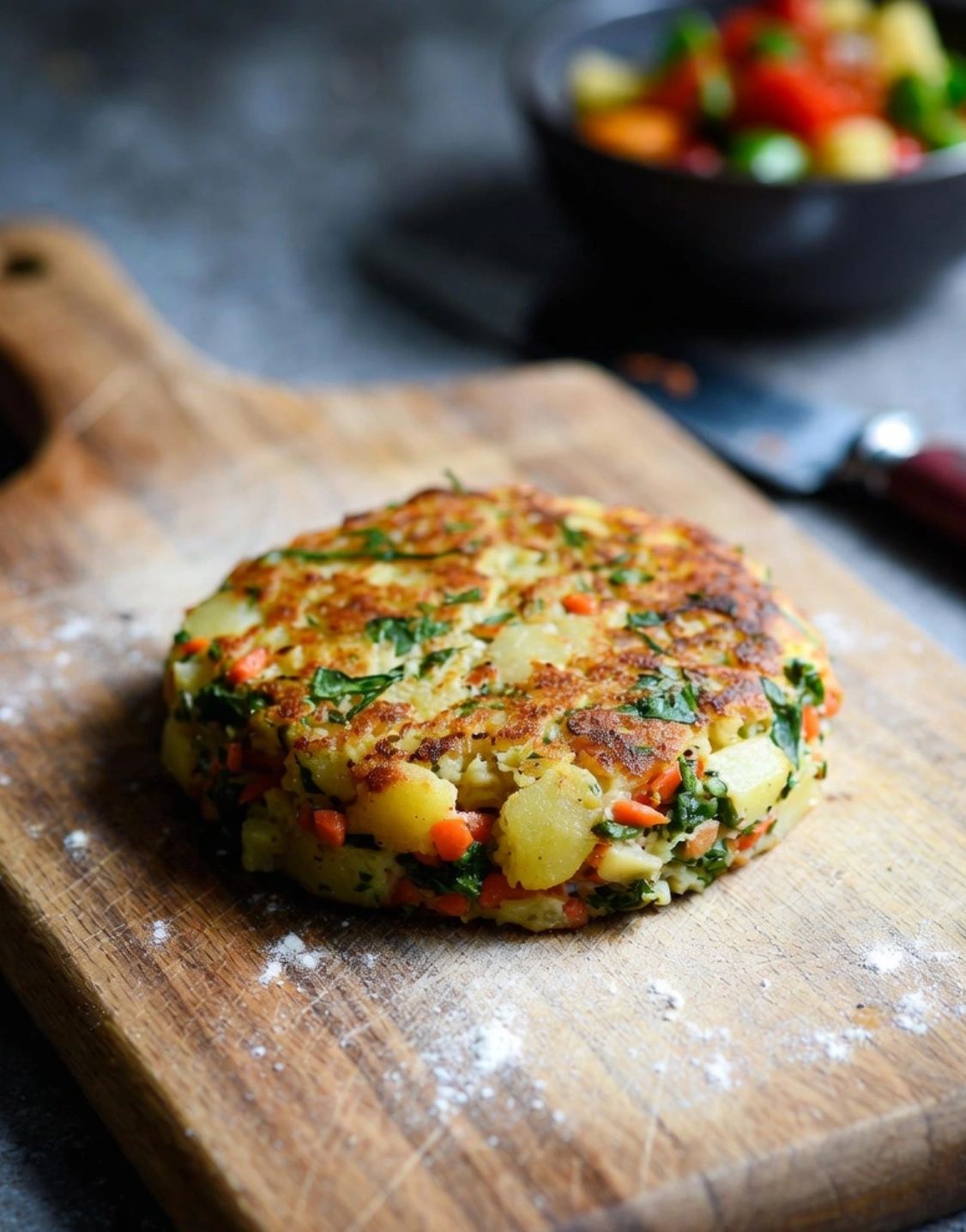
Zero-Waste Potato and Veggie Hash RecipeThis versatile dish uses entire vegetables to create crispy hash patties, perfect for brunch buffets or canapés in UK sustainable catering menus 2026. Serves 4 (scale by multiplying ingredients for larger events).
Ingredients:
- 750g floury potatoes (e.g., King Edward, Maris Piper), washed
- 2 parsnips, washed
- 1 head broccoli, florets separated and stem finely chopped
- 30g salted butter
- 3 tbsp extra virgin olive oil, plus extra for drizzling
- ½ tsp ground cumin
- 4 spring onions, finely sliced
- Small bunch flat leaf parsley, leaves and stalks finely chopped
- 2 garlic cloves, peeled and finely crushed
- 2 tbsp plain flour, plus extra for dusting (use gluten-free if needed)
- 4 medium free-range eggs (optional; omit for vegan and use vegan cheese instead)
- 1 tsp dried chilli flakes
- 1 lemon, cut into wedges
- Salt and black pepper, to taste
Method:
- Preheat the oven to 220°C/200°C fan/gas 7.
- Peel the potatoes and parsnips (reserve peelings), then cut into chunks. Boil in salted water for 15-20 minutes until tender, adding broccoli florets for the last 5 minutes. Drain, steam dry, then mash with butter
- Toss peelings with 1 tbsp oil, cumin, and salt on a baking tray; roast for 20-25 minutes until crisp.
- Reduce oven to 120°C/100°C fan/gas 1. Fry broccoli stem, spring onions, and parsley stalks in 1 tbsp oil for 10 minutes; add garlic for 2 minutes more. Mix into mash with parsley leaves, season, and form 8 patties. Chill for 30 minutes.
- Dust patties with flour and fry in remaining oil for 5-6 minutes per side until golden. Keep warm in oven.
- Poach eggs (if using) for 4-5 minutes. Stack patties, top with egg and crisps, drizzle oil, sprinkle chilli, and serve with lemon.
For catering tips: Swap in leftover veggies like courgettes for zero-waste flexibility; freeze extra patties for efficiency in high-volume UK sustainable catering events 2026.
Zero-Waste Potato and Veggie Hash Recipe (per serving, based on 4 portions; approx. 2 patties + toppings without egg)
This root-to-stem dish remains a strong seller for eco-events, with high fibre from whole veg supporting gut health claims.
Approximate Nutritional Information per Serving:
- Calories: 320–380 kcal
- Protein: 8–10 g
- Carbohydrates: 45–55 g (of which sugars ~6 g, fibre 8–10 g)
- Fat: 12–15 g (of which saturates ~3–4 g)
- Sodium: 400–600 mg
Values reflect the potato-parsnip-broccoli base with butter and oil; adding a poached egg boosts protein to ~14–16 g and calories by ~70–80 kcal. Ideal for low-waste brunch stations—highlight the high fibre for client wellness pitches.
2nd Plant-Based and Flexitarian Catering Trend for 2026
Plant-based and flexitarian menus are exploding in the UK catering scene for 2026, with authentic vegan options alongside flexible meat-reduced dishes. This trend captures health-focused clients, expanding market reach and enabling higher margins on nutrient-rich, Instagram-worthy plates that promote gut health and wellness.
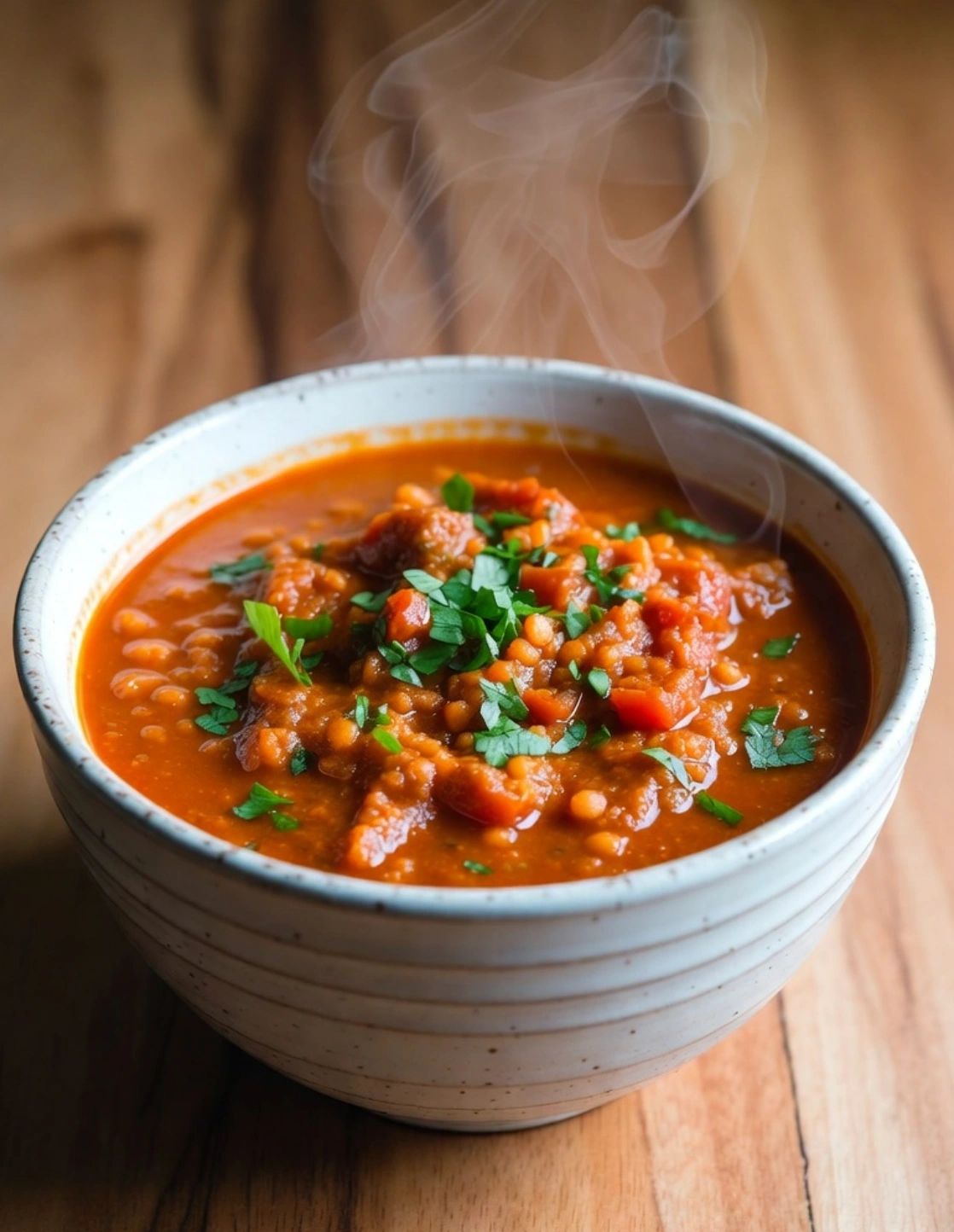
Easy Red Lentil Dahl Recipe A creamy, spiced dahl that's naturally vegan and ideal for plant-based catering buffets or mains in UK flexitarian weddings 2026. Serves 4-6 (batch cook for events).
Ingredients:
- 2 tbsp vegetable oil
- 125g finely diced onions
- 3 cloves garlic, grated
- 1 tbsp grated ginger
- 1 tbsp garam masala
- 1 tsp turmeric powder
- 1 tsp crushed chilli flakes
- 250g split red lentils, rinsed
- 400g can diced tomatoes
- 400ml can coconut milk
- 750ml vegetable stock
- 125g baby spinach
- 2-3 tbsp fresh lemon juice, to taste
- Salt, to taste
- ½ tsp garam masala To serve: Yoghurt (plant-based), naan or rice, fresh coriander
Method:
- Heat oil in a large casserole over medium heat; fry onions for 6 minutes until soft.
- Add garlic, ginger, garam masala, turmeric, and chilli; cook for 1 minute.
- Stir in lentils, tomatoes, coconut milk, and stock; simmer for 20 minutes until lentils are tender and sauce thickens, stirring occasionally.
- Add spinach to wilt, then stir in ½ tsp garam masala, lemon juice, and salt to taste.
- Serve with yoghurt, coriander, and naan or rice.
For catering tips: Rinse lentils for better texture; make ahead as flavours deepen—stores in fridge for 4 days or freezes for 3 months, perfect for prep in busy UK plant-based catering operations 2026.
Easy Red Lentil Dahl Recipe (per serving, based on 4–6 portions; approx. 1 generous bowl, without rice/naan)
Plant-powered and protein-rich, this dahl excels in flexitarian menus, with lentils delivering iron and folate alongside the spinach boost.
Approximate Nutritional Information per Serving:
- Calories: 350–450 kcal (lower end with light coconut milk swaps)
- Protein: 15–20 g
- Carbohydrates: 45–55 g (of which sugars ~6–8 g, fibre 10–14 g)
- Fat: 12–18 g (of which saturates 8–12 g from coconut milk)
- Sodium: 500–800 mg
The coconut milk adds creaminess but saturated fat—offer a lighter version with reduced-fat alternative for health-focused clients. Batch-prep remains key for volume catering; promote the 15+ g protein as a plant-based powerhouse for sustained energy at events.
3rd Fusion Cuisine Catering Trend for 2026
Big fusion cuisine is a key UK catering trend in 2026, blending global flavours like Indian and Mexican for exciting, shareable dishes. This drives sales through novelty, appealing to diverse groups and commanding premium prices for creative, multicultural event menus.
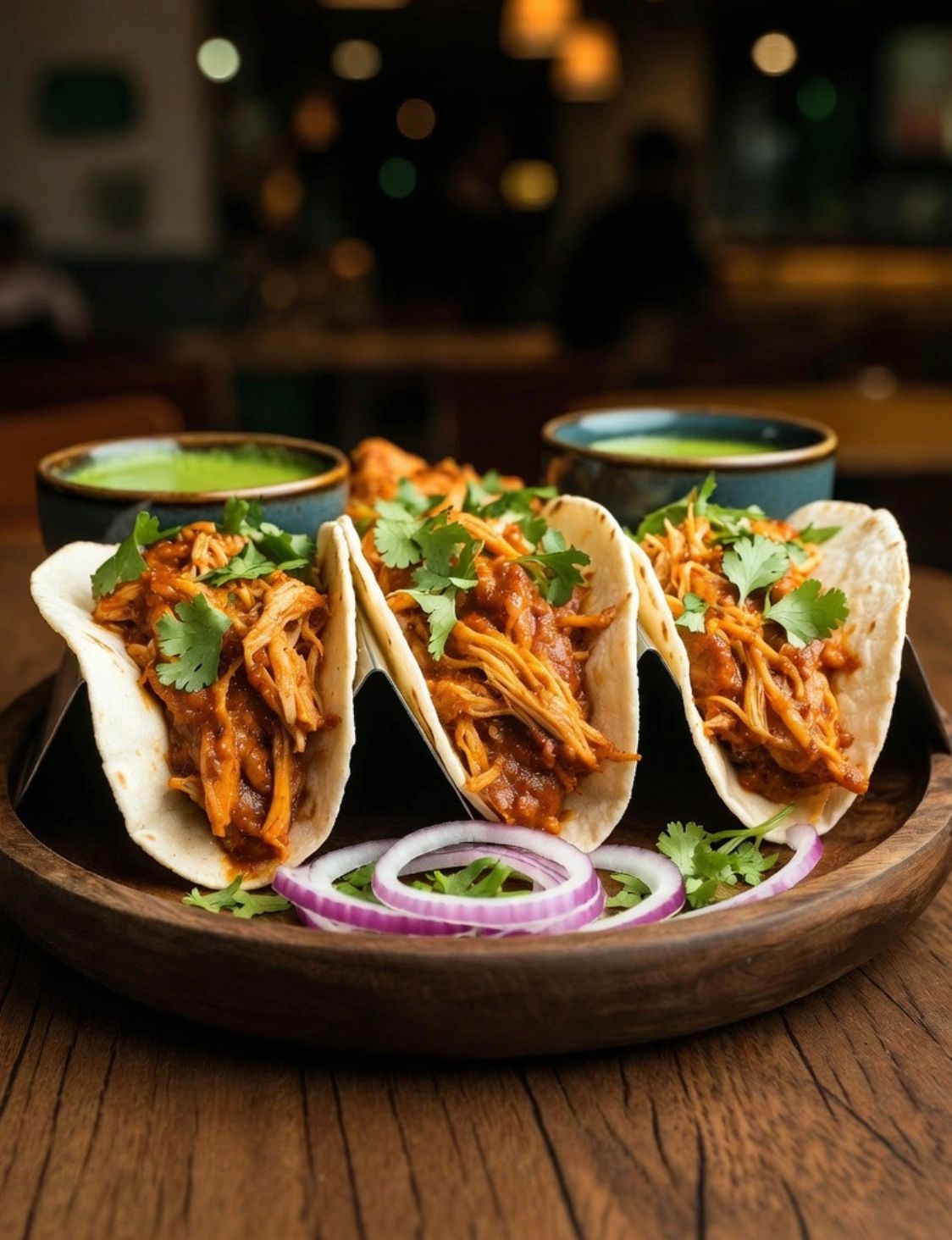
Chicken Tikka Tacos Recipe An Indian-Mexican fusion hit for UK catering canapés or street-food stations 2026, combining korma-spiced chicken with taco staples. Serves 2 (scale up for crowds).
Ingredients:
- 75g low-fat natural yoghurt
- 50g korma curry paste
- 260g diced chicken thigh
- 1 baby gem lettuce, thinly sliced
- 2 spring onions, thinly sliced
- 1 garlic clove, grated
- 1 can black beans, drained
- 1 chicken stock powder
- 6 plain taco tortillas
- Drizzle of oil
- 50ml water (for beans)
- Salt and pepper, to taste
Method:
- Preheat grill to high. Mix 1 tbsp yoghurt per person with a quarter of the korma paste, chicken, salt, and pepper; marinate.
- Prepare lettuce, spring onions, garlic, and beans.
- Grill chicken on a foil-lined tray for 10-12 minutes, turning halfway, until cooked through.
- Heat oil in a saucepan; fry garlic, half spring onions, and remaining korma paste for 1 minute. Add beans, stock, and water; simmer and mash for 8-10 minutes until thick.
- Warm tortillas under the grill for 2-3 minutes.
- Assemble tacos with beans, lettuce, chicken, yoghurt drizzle, and remaining spring onions.
For catering tips: Prep beans ahead and reheat; batch-grill chicken for volume—ideal for fusion-themed UK corporate events 2026, with vegan swaps like tofu for inclusivity.
Chicken Tikka Tacos Recipe (per serving, based on 2 tacos per person; assembled with beans and toppings)
This bold Indian-Mexican crossover continues to wow at corporate and street-food style events, blending spice with shareable format.
Approximate Nutritional Information per Serving (2 tacos):
- Calories: 650–800 kcal
- Protein: 35–45 g
- Carbohydrates: 70–85 g (of which sugars ~8 g, fibre 10–12 g)
- Fat: 25–35 g (of which saturates 8–12 g)
- Sodium: 1000–1400 mg
High protein from chicken and beans makes it filling; the fusion appeal justifies premium pricing. For inclusivity, tofu swaps drop calories slightly (~550–700 kcal) while maintaining appeal. Use these figures to market as a high-protein, flavour-forward option for diverse guest lists.
Incorporating nutritional info like this on menus or proposal sheets aligns perfectly with 2026's push for clearer labelling and personalised