Sustainable Kitchen Solutions
Ignite Your Culinary Journey with Sustainable Innovations
Step into a realm where modern kitchen equipment meets energy efficiency, paving the way to a greener, more sustainable culinary future. In today’s fast-evolving food service landscape, embracing eco-friendly practices isn't just about reducing energy consumption—it’s a strategic approach to boosting performance and operational efficiency in your kitchen. By integrating advanced technologies that prioritize conservation and efficiency, you can dramatically cut down on utility costs while enhancing overall kitchen productivity.
This guide will walk you through practical steps to upgrade your cooking space. Expect insights on:
- Identifying energy-saving appliances with proven performance benefits
- Incorporating sustainable design elements that harmonise with local trends in cities like Bristol and Cardiff
- Implementing best practices for reducing waste and optimising kitchen layouts
As you explore actionable tips and industry-relevant strategies, you'll uncover how each element contributes to a healthier environment and a smarter, more agile operation. Prepare to transform common challenges into opportunities for innovation, ensuring that your kitchen not only meets today’s demands but thrives for years to come.
Eco-Innovations for Modern Kitchens
Exploring sustainable kitchen practices can revolutionize your culinary workspace, making daily operations more efficient and environmentally friendly. In modern kitchens, integrating energy-efficient technologies and smart management systems can lead to significant savings in both costs and resources. By adopting these eco-innovative solutions, you not only improve the functionality of your kitchen but also contribute to a greener future.
Key practices include:
- Smart Appliances: Choose equipment that uses less energy and water while delivering optimal performance.
- Resource-Efficient Layouts: Design kitchen spaces to reduce unnecessary movements, ensuring all processes run smoothly.
- Renewable Energy Options: Consider installing solar panels or using energy storage systems to offset peak energy consumption.
- Eco-Friendly Materials: Use sustainable building materials and finishes that are durable and low in environmental impact.
In regions like Bristol, Gloucester, and Cardiff, culinary professionals are embracing these practices to meet evolving regulatory and consumer demands. This guide provides practical insights into selecting the right equipment and rearranging layouts to maximize workflow and sustainability. Implementing these strategies can help you create a modern, eco-conscious kitchen that not only simplifies everyday tasks but also sets a benchmark in environmental stewardship.
Transforming Kitchen Economics with Energy-Efficient Equipment
Modern kitchens are increasingly shifting towards energy-efficient equipment, and the differences are striking when compared side-by-side with traditional appliances. Utilizing energy-efficient solutions can significantly reduce operating expenses and lessen your environmental impact. By investing in contemporary kitchen technology, business owners can achieve dual benefits: cutting costs while contributing to a sustainable future.
Key comparisons include:
- Operating Costs:
- Energy-efficient equipment typically consumes less power, leading to lower utility bills.
- Traditional models often incur higher ongoing energy expenses.
- Environmental Impact:
- Modern systems minimize energy waste and reduce greenhouse gas emissions.
- Conventional devices may have a larger carbon footprint due to inefficient power usage.
- Efficiency & Longevity:
- Enhanced design and smart controls in energy-efficient appliances lead to prolonged durability and consistent performance.
- Older technologies may require frequent repairs and offer less consistent operation.
For businesses in regions like Bristol, Gloucester, or Cardiff, these improvements translate to practical savings and a forward-thinking kitchen ecosystem. Embracing these technologies now not only supports financial stability but also aligns with sustainable practices that are increasingly vital in today’s eco-conscious landscape.
Top 7 Sustainable Kitchen Equipment Must-Haves
Discover a range of eco-friendly tools that not only optimize your culinary operations but also contribute to long-term sustainability. Below are seven essential pieces of equipment designed to transform conventional kitchens into energy-efficient culinary hubs:
- Energy-Efficient Refrigeration Systems
Modern refrigeration units offer superior insulation and smart temperature management, reducing power consumption while preserving food quality. - High-Efficiency Ovens and Ranges
These appliances are engineered with advanced heat retention and distribution technology, cutting energy costs and ensuring even cooking. - Eco-Friendly Dishwashers
Optimized water usage and reduced cycle times make these machines ideal for busy kitchens looking to lower utility bills and minimize their environmental impact. - LED Lighting Solutions
Incorporating LED fixtures provides excellent task lighting with minimal energy draw, tailored for areas like food prep stations and service counters. - Sustainable Ventilation Systems
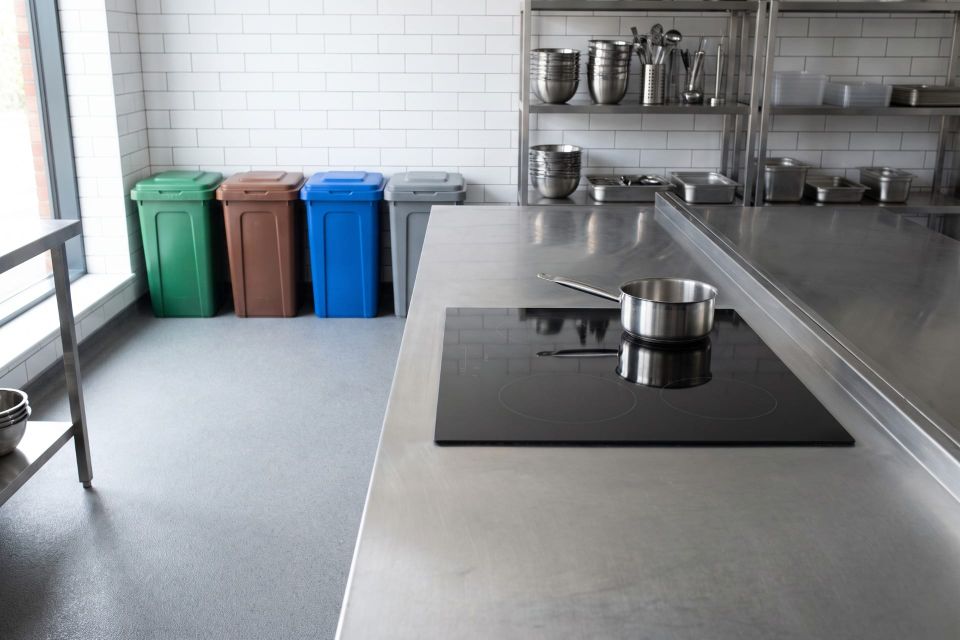
Efficient hoods and ventilation not only improve air quality but also lower energy consumption by recirculating filtered air. - Compostable Waste Management Tools
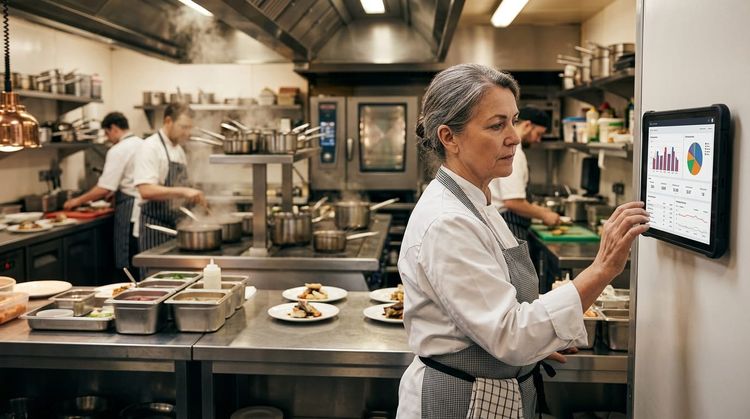
An integrated waste system that supports organic waste recycling is essential for reducing landfill contributions while supporting garden composting initiatives. - Smart Monitoring Devices
These systems track energy use in real time, empowering kitchen managers in cities such as Bristol or Cardiff to make informed operational decisions.
Frequently Asked Questions
What exactly are sustainable kitchen solutions?
Sustainable kitchen solutions involve integrating energy-efficient appliances, waste reduction practices, and eco-friendly materials to minimize environmental impact while improving kitchen performance. This approach supports long-term efficiency and cost savings.
How can I implement sustainable design on a budget?
Start by prioritizing low-energy LED lighting, energy-efficient equipment, and water-saving fixtures. Gradually upgrading components helps manage costs while making a positive environmental impact.
What strategies ensure cost-effectiveness in sustainable kitchens?
Focus on phased investments, regular maintenance, and continuous staff training. Small changes, like updated cooling systems and green waste management, contribute significantly to long-term savings.
How do eco-friendly upgrades benefit commercial kitchens?
Upgrades reduce energy consumption and utility expenses while improving operational efficiency. They also contribute to a cleaner, less wasteful working environment, benefiting both staff and customers.
Is staff training essential for maintaining sustainability?
Absolutely. Well-trained teams are vital for monitoring energy use, managing resources effectively, and ensuring that all sustainable practices become integrated into daily operations.
How can local businesses in Bristol, Gloucester, or Cardiff adopt these solutions?
Local businesses can tap into regional expertise, attend community workshops, and consult with local sustainable service providers for customized, practical implementation.
Wrapping Up Your Journey to a Greener Kitchen
As you reflect on the insights shared throughout this guide, it’s clear that adopting sustainable kitchen solutions is not only achievable but essential for a thriving culinary environment. By evaluating your current setup and integrating energy-efficient appliances alongside effective waste management practices, you can enhance both productivity and environmental responsibility.
Key takeaways include:
- Assessing existing kitchen processes to identify energy-saving opportunities.
- Implementing modern equipment that reduces utility bills and minimizes waste.
- Optimizing layout design to support smoother workflows and better resource use.
For those in areas like Bristol, Gloucester, or Cardiff, local suppliers often provide customised solutions that align with regional sustainability standards. Next steps involve developing a strategic plan that prioritizes eco-friendly upgrades, training staff on sustainable practices, and tracking improvements over time.
Take actionable steps by conducting regular equipment audits and exploring new technologies. Embrace this moment as your chance to innovate, reduce operational costs, and create a healthier kitchen environment. Every change, no matter how small, contributes to cost efficiency and a sustainable future in the hospitality industry.