The Benefits of Using Finance in Commercial Catering: 5 Min Read
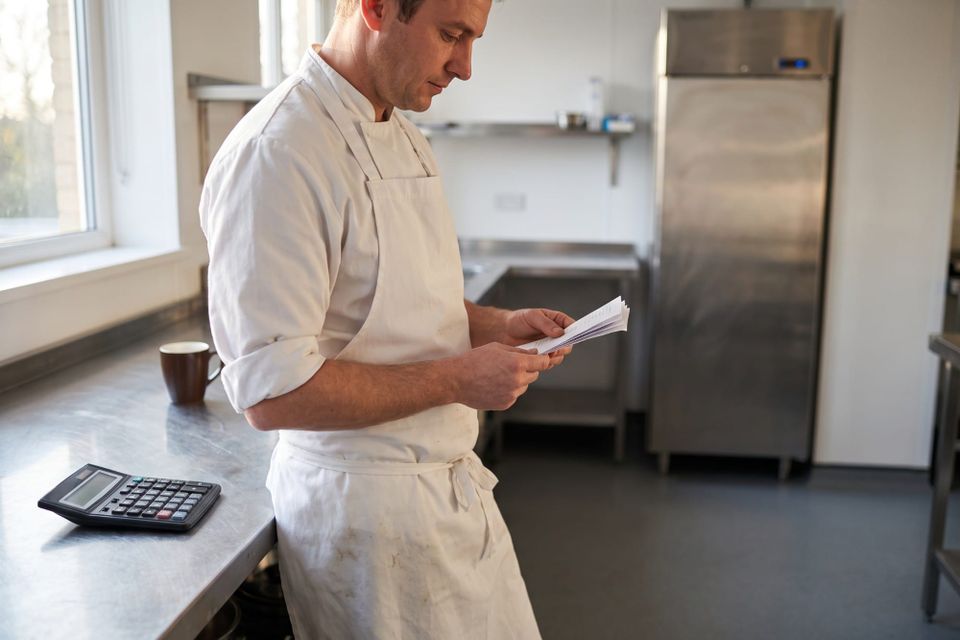
In the fast-paced and competitive world of commercial catering, managing cash flow while investing in essential equipment is one of the biggest challenges operators face at present. Whether you're launching a new café, scaling a restaurant chain, or refreshing an established catering business, the upfront costs of commercial kitchen equipment, refrigeration units, ovens, and fit-outs can be daunting.
At OnThePassConsultancy.com, we specialise in supporting commercial catering businesses across the UK with strategic advice on operations, compliance, and growth. Through our trusted finance partner, AddingtonFinance.com, we help clients access tailored funding solutions that make these investments achievable without compromising liquidity. In today's challenging economic climate, finance in commercial catering isn't just convenient—it's a strategic advantage that supports start-ups and established operators alike.
This article explores the key benefits of using finance for commercial catering equipment and operations. We'll cover cash flow preservation, tax advantages under UK rules, and how smart financing helps businesses thrive amid rising costs. With keyword-rich insights into catering equipment finance, commercial catering finance options, and tax-efficient investments, you'll see why partnering with experts like Addington Finance can transform your approach.
The Current Challenges Facing UK Commercial Catering Businesses
The UK hospitality and catering sector continues to navigate significant headwinds in 2026. Rising ingredient and energy costs top the list of concerns for many operators, alongside labour shortages, increasing business rates, and broader inflationary pressures. Reports highlight that over 50% of restaurant owners cite these factors as major challenges, while employment costs and supply chain volatility add further strain.
For start-ups, the barrier to entry remains high: fitting out a professional kitchen can cost tens or even hundreds of thousands of pounds. Established businesses often need to upgrade to energy-efficient models or expand capacity but hesitate to tie up working capital that could support day-to-day operations, staff training, or marketing.
This is where commercial catering finance proves invaluable. Options such as equipment leasing, hire purchase (HP), and tailored business loans allow operators to spread costs over time, aligning payments with revenue generation. Our partnership with Addingtonfinance.com—an approved finance broker specialising in flexible business solutions—ensures clients receive competitive, sector-specific packages designed for the hospitality industry.
Understanding Finance Options for Commercial Catering
Catering equipment finance encompasses several structures suited to the unique needs of commercial kitchens:
- Equipment Leasing (Operating or Finance Leases): Spread the cost of items like combi ovens, dishwashers, refrigeration systems, and extraction units over 2–5 years with fixed monthly payments. At the end of the term, you can often upgrade or return the equipment.
- Hire Purchase (HP): Similar to leasing but with ownership transferring to you at the end. This suits businesses wanting long-term asset retention.
- Business Loans or Asset Finance: For larger fit-outs, vehicles, or multiple items, providing lump-sum funding repayable over time.
These solutions are particularly relevant for commercial kitchen equipment finance, where high-value assets depreciate or become obsolete relatively quickly due to technological advances and wear-and-tear.
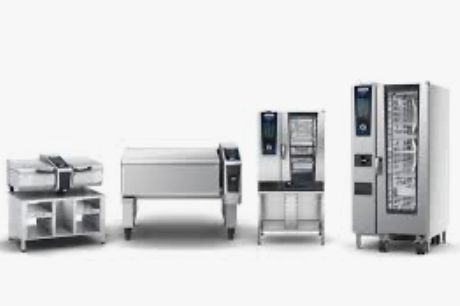
By working with AddingtonFinance.com, clients benefit from broker expertise that compares offers from multiple lenders, securing favourable terms without the administrative burden. Whether you're financing a single rational oven or a complete kitchen refurbishment, the right structure preserves capital for other critical areas.
Freeing Up Working Capital: A Lifeline for Start-ups and Established Businesses
One of the primary advantages of finance in commercial catering is the ability to protect and enhance working capital. Start-ups often operate with limited reserves; committing large sums to equipment can delay openings or restrict marketing efforts. Finance allows you to acquire professional-grade assets immediately while making manageable monthly payments that fit your cash flow projections.
For established businesses, the benefits are equally compelling. Freeing up working capital means you can respond to opportunities—such as seasonal demand spikes, menu expansions, or new site openings—without disrupting operations. In an industry where margins are tight, retaining liquidity for inventory, wages, and unexpected repairs is crucial.
Consider a typical scenario: A mid-sized catering company wants to invest in energy-efficient refrigeration to combat soaring utility bills. Paying outright could deplete reserves needed for staffing during peak periods. Through catering business finance arranged via Addington Finance, the investment is spread over 36–60 months, maintaining healthy cash reserves while delivering immediate operational improvements.
This approach is especially powerful in challenging times. With energy prices and ingredient costs under pressure, finance enables proactive investment in cost-saving technologies without financial strain.
Tax Benefits of Equipment Finance in the UK: Significant and Strategic Advantages
One of the most compelling reasons to explore finance for commercial catering is the range of UK tax efficiencies available. Investments in qualifying plant and machinery—such as commercial ovens, fridges, preparation equipment, and fitted kitchen fixtures—can deliver substantial tax relief, often spread efficiently over multiple years or accelerated for immediate benefit.
Key UK tax mechanisms include:
- Annual Investment Allowance (AIA): Businesses can claim 100% tax relief on up to £1million of qualifying expenditure on plant and machinery in the year of purchase. This applies to many catering items and provides immediate reduction in taxable profits.
- Writing Down Allowances (WDA): For expenditure exceeding the AIA limit, assets enter a pool with 18% (main pool) or 6% (special rate) allowances on a reducing balance basis, offering relief over several years.
- Full Expensing: Companies can often claim 100% relief on new qualifying assets in the year of acquisition, enhancing cash flow benefits.
The tax treatment varies by finance structure, creating opportunities for optimisation:
- Leasing: Rental payments are typically fully deductible as business expenses in the year incurred, providing straightforward tax relief. VAT on payments can often be reclaimed periodically, improving cash flow.
- Hire Purchase: You can claim capital allowances on the asset while deducting the interest portion of payments. VAT is usually reclaimable upfront for VAT-registered businesses.
These tax benefits of equipment finance UK make large investments more affordable over time. For example, a £50,000 kitchen upgrade financed appropriately could yield significant corporation tax savings (at 25% for many companies), effectively reducing the net cost while spreading payments.
At Onthepassconsultancy.com, we work closely with clients and AddingtonFinance.com to structure deals that align with your tax position. Always consult your accountant or tax adviser for personalised advice, as rules depend on your business structure and specific assets. However, the combination of deductible payments or accelerated allowances frequently makes financed purchases more tax-efficient than outright cash buys in many catering scenarios.
Additional Benefits: Efficiency, Flexibility, and Competitive Edge
Beyond cash flow and tax advantages, finance in commercial catering delivers operational and strategic gains:
- Access to Latest Technology: Leasing or financing allows regular upgrades to energy-efficient, smart equipment. In an era of high energy costs, this directly lowers utility bills and supports sustainability goals—vital for attracting eco-conscious clients and complying with regulations.
- Reduced Risk of Obsolescence: Catering equipment evolves rapidly. Finance structures with upgrade options let you stay ahead without being locked into outdated assets.
- Flexibility in Scaling: Expand your operation—add a new food truck, mobile catering unit, or second kitchen—without massive capital commitment.
- Improved Budgeting: Predictable monthly costs simplify financial planning, a boon amid economic uncertainty.
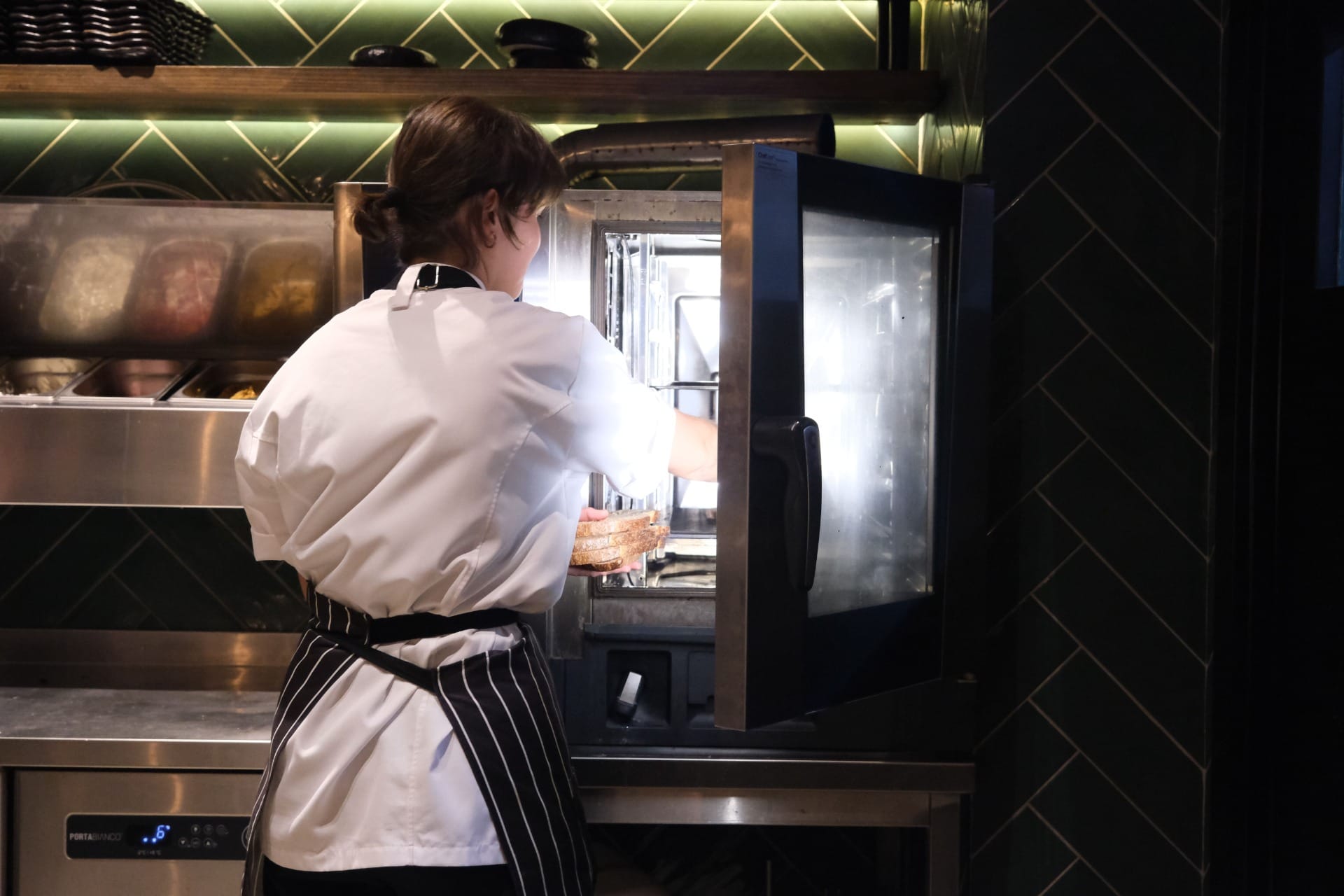
These benefits help both new entrants establish professional setups quickly and mature businesses maintain a competitive edge through modern, reliable kitchens.
Practical Examples: Finance in Action for Catering Businesses
Imagine a startup café in London securing commercial catering equipment finance for £80,000 worth of kitchen kit via a finance lease brokered by Addington Finance. Monthly payments fit comfortably within projected revenues, preserving seed capital for fit-out and launch marketing. Tax-deductible rentals reduce the effective cost, and energy-efficient models help manage rising bills from day one.
For an established contract caterer, refinancing existing assets or financing an expansion frees working capital previously tied up in equipment. This capital funds staff retention bonuses amid labour shortages or invests in menu development to boost margins.
These real-world applications demonstrate why more UK catering operators are turning to specialist partners like AddingtonFinance.com for seamless, sector-focused solutions.
Partnering for Success: On The Pass Consultancy and Addington Finance
Navigating finance options can feel overwhelming amid daily operational demands. That's why our collaboration with AddingtonFinance.com is so valuable. As an approved finance broker, they provide impartial access to a wide panel of lenders, tailoring packages to hospitality needs—whether for start-ups seeking low-deposit options or established firms optimising tax positions.
Combined with OnThePassConsultancy.com's deep industry expertise in commercial catering operations, compliance, menu engineering, and efficiency audits, clients receive holistic support. We help assess your needs, model cash flow impacts, and integrate financing into broader business strategy.
Conclusion: Make Finance Work for Your Commercial Catering Business
In challenging times, finance in commercial catering offers a powerful way to invest confidently while safeguarding liquidity and maximising tax efficiency. From preserving working capital for start-ups to enabling strategic upgrades for established operators, the benefits are clear and multifaceted.
The UK tax system—through mechanisms like the Annual Investment Allowance and deductible lease payments—further enhances the appeal, making equipment investments more affordable and tax-efficient over multiple years.
If you're ready to explore how catering equipment finance or broader commercial catering finance solutions can support your goals, contact the team at OnThePassConsultancy.com today. We'll connect you with our partners at AddingtonFinance.com to discuss tailored options that align with your ambitions.
Don't let capital constraints hold your business back. With the right finance strategy, you can equip your kitchen for success, optimise cash flow, and position your catering operation for long-term growth in the UK market.