Unnecessary Ingredients In Our Food, can you spot them ?
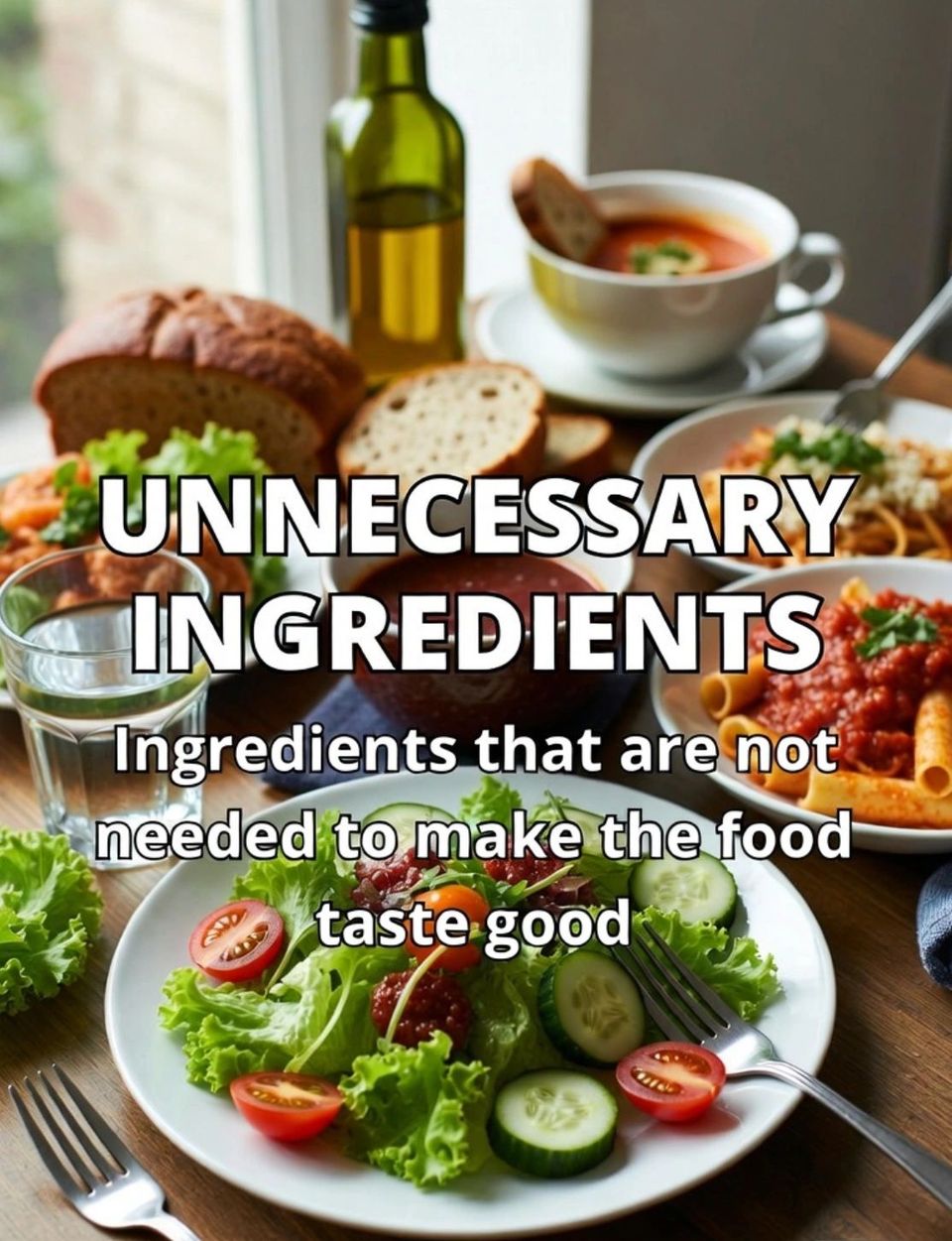
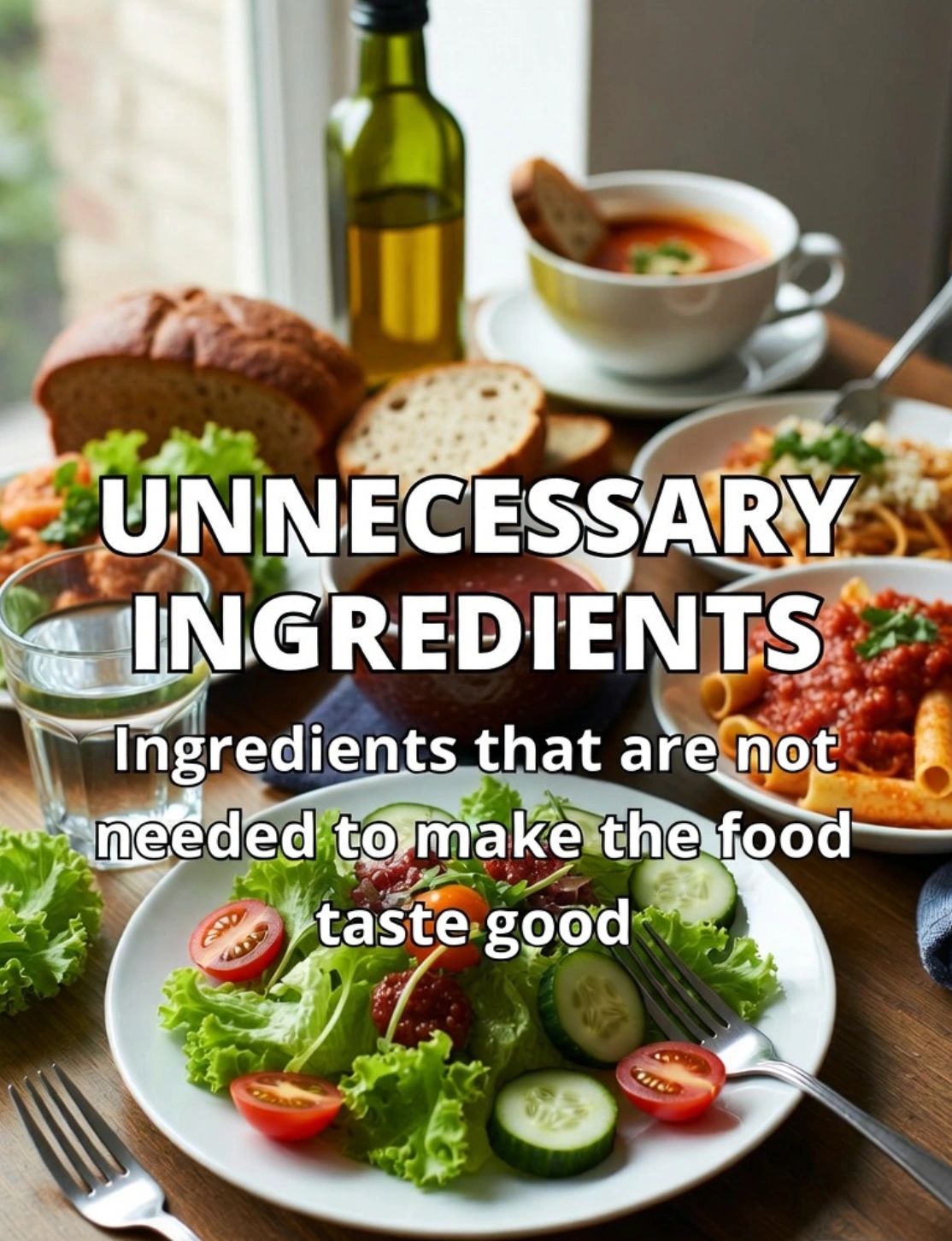
Hello, fellow caterers and food enthusiasts! here is your friendly guide through the often murky world of food production. As someone who's passionate about serving wholesome, delicious meals, I've been increasingly troubled by the hidden extras lurking in our everyday ingredients. Today, let's dive into a topic that's close to my heart: unnecessary ingredients in our food. We'll explore how food manufacturers are culpable for slipping these in, the profound ways they're affecting human lives, and crucially, what we in the catering industry can do to steer clear and promote better choices. This isn't about scaremongering—it's about empowering us all to make informed decisions that could genuinely improve health outcomes. So, grab a cuppa, and let's unpack this together.
First off, what do we mean by "unnecessary ingredients in our food"? These are additives, preservatives, sweeteners, and fillers that aren't essential for nutrition or basic food safety but are added to boost profits, extend shelf life, or enhance sensory appeal. Think high-fructose corn syrup, artificial colours, trans fats, and emulsifiers like mono- and diglycerides. In the UK and beyond, these sneaky additions are rampant in processed foods, from crisps and ready meals to sauces and even seemingly innocent breads. For the catering industry, where we're sourcing in bulk for events, weddings, and corporate functions, understanding these is vital to avoid unwittingly serving up health hazards.
Food manufacturers bear significant responsibility here. Driven by the relentless pursuit of market share in a competitive global industry, many prioritise cost-cutting and consumer allure over genuine nutritional value. Take the big players like Nestlé, Unilever, or Kraft Heinz—these giants often formulate products with unnecessary food ingredients to make them cheaper to produce and more addictive. For instance, adding excessive sugar or salt masks poor-quality base ingredients, creating that "irresistible" taste that keeps customers coming back. But is this ethical? When we consider the health impacts of processed foods, it becomes clear that these practices are not just business as usual; they're contributing to a public health crisis.
Let's think about the human cost. Unnecessary food additives are linked to a host of issues affecting millions. Obesity, for one, is skyrocketing—Public Health England reports that over 60% of adults are overweight or obese, partly fuelled by hidden sugars in everyday items. Food manufacturers add these unnecessary sweeteners to everything from yoghurts to tinned soups, tricking our palates and leading to overconsumption. Then there's the rise in allergies and intolerances; artificial preservatives like sulphites or MSG can trigger severe reactions, putting lives at risk.
I recall a catering colleague who had a near-miss at an event when a guest reacted to hidden emulsifiers in a pre-made dressing—it's a stark reminder that what seems harmless can be life-altering.
More insidiously, these ingredients contribute to chronic diseases. Trans fats, still present in some imported goods despite UK restrictions, harden arteries and increase heart disease risk. Emulsifiers disrupt gut microbiomes, potentially leading to inflammatory bowel diseases, as studies from the British Medical Journal suggest. And let's not forget artificial colours like tartrazine (E102), which have been associated with hyperactivity in children. Food manufacturers know this—regulatory bodies like the Food Standards Agency (FSA) have issued warnings—yet they continue because reformulating costs money. It's profit over people, and as caterers, we're often the unwitting middlemen, serving these products at buffets and banquets where guests trust us to provide safe, nourishing food.
Why do manufacturers do this? It's a mix of economics and psychology. Extending shelf life with preservatives like sodium benzoate means less waste and higher margins. Enhancing flavour with artificial enhancers makes bland, mass-produced items palatable without investing in quality sourcing. In the catering industry, we feel this pressure too—suppliers offer "value" packs loaded with unnecessary food ingredients to keep prices low. But ask yourself: is saving a few quid worth the long-term health toll on our clients? Thought-provoking, isn't it? We're in a position to influence change, yet if we don't scrutinise labels, we're complicit in perpetuating the cycle.
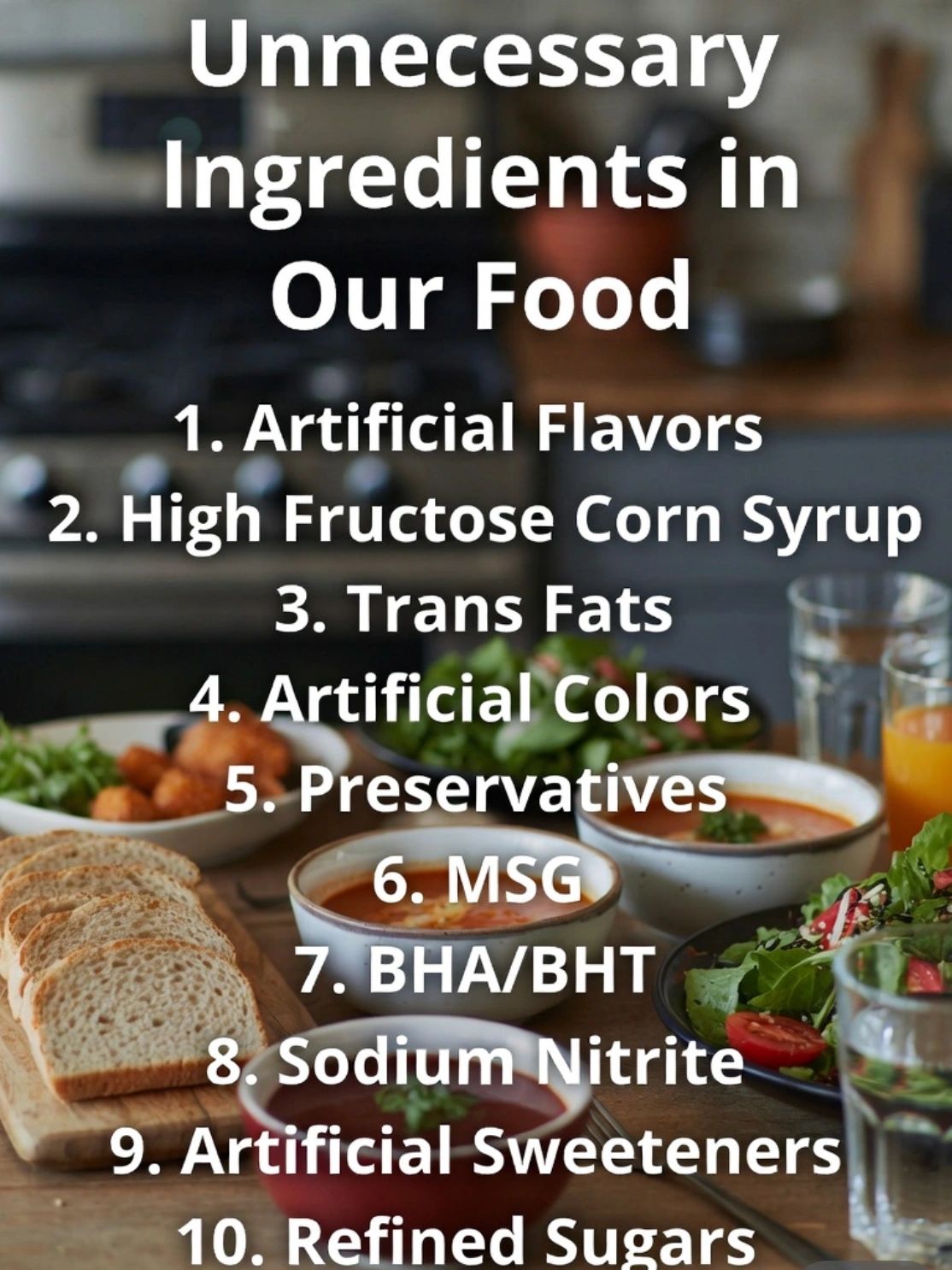
Let's spotlight some culprits. Consider the ubiquitous palm oil, often hidden as "vegetable oil" in ingredient lists. While not always unnecessary, its cheap production leads manufacturers to overuse it, contributing to deforestation and health issues like raised cholesterol. Companies like Mondelez (owners of Cadbury) have been criticised for this, despite sustainability pledges. Or take high-fructose corn syrup (HFCS), a staple in soft drinks from Coca-Cola and PepsiCo. This unnecessary sweetener is metabolised differently from natural sugars, leading to insulin resistance and type 2 diabetes. The World Health Organization (WHO) estimates diabetes affects over 4 million in the UK alone, with diet playing a key role. Food manufacturers argue it's for "taste consistency," but really, it's about addiction and repeat sales.
In the realm of artificial flavours and colours, the story is similar. Vanillin, a synthetic vanilla substitute, is cheaper than real extract, so it's crammed into biscuits and cakes by firms like McVitie's. Harmless? Not when it displaces nutrient-dense ingredients and contributes to a diet devoid of real flavour variety. For caterers, this means our desserts might look vibrant but lack authenticity, potentially disappointing discerning clients who seek farm-to-table experiences.
The impact on vulnerable groups is particularly heart-wrenching. Children, the elderly, and those with low incomes suffer most from these unnecessary ingredients in processed foods. Low-cost ready meals, targeted at busy families, are laden with fillers like modified starches that provide bulk without nutrition, exacerbating malnutrition in disguise. A report from the British Nutrition Foundation highlights how this leads to micronutrient deficiencies, affecting cognitive development in kids. As caterers serving school events or community gatherings, we have a duty to choose better—opting for fresh, local produce over pre-packaged shortcuts.
But it's not all doom and gloom! As members of the catering industry, we can be the change-makers. Start by auditing your suppliers. Look for those committed to minimal processing, like organic farms or artisan producers who shun unnecessary food additives. Certifications such as Soil Association or Red Tractor can guide you. When planning menus, prioritise whole foods: fresh vegetables, unprocessed meats, and homemade sauces. This not only avoids health risks but enhances your reputation—clients love knowing their wedding feast is free from artificial nasties.
Education is key too. Share knowledge with your team and clients. Host workshops on reading labels or create blog posts (like this one!) to highlight the health impacts of processed foods. Pose questions in your marketing: "Why settle for unnecessary ingredients when real food tastes better?" This builds trust and positions your business as a health-conscious leader in the catering industry.
Regulatory bodies are stepping up, but slowly. The FSA's push for clearer labelling and sugar taxes is a start, yet food manufacturers lobby hard against stricter rules. We saw this with the delayed HFSS (high fat, salt, sugar) advertising ban. As caterers, we can advocate by joining groups like the Sustainable Food Trust or supporting petitions for better standards.
Let's consider real-world examples. Take the scandal with horse meat in beef products a decade ago—it exposed how fillers and mislabelling erode trust. More recently, recalls of products containing undeclared allergens underscore the dangers. In catering, a similar slip could ruin reputations overnight. By choosing transparency, we protect lives and livelihoods.
Alternatives abound. Instead of MSG-laden stock cubes, use herb-infused broths. Swap artificial sweeteners in drinks for natural fruit infusions. These swaps not only reduce unnecessary food ingredients but can cut costs long-term through waste reduction and client loyalty.
Reflecting on this, it's clear food manufacturers' culpability stems from a system that rewards volume over value. But we in the catering industry hold power—we decide what ends up on plates. By rejecting unnecessary additives, we're not just serving food; we're nurturing health and fostering a more ethical food chain.
In conclusion, unnecessary ingredients in our food are a symptom of a broken system, with food manufacturers playing a starring role in compromising human lives through obesity, allergies, and chronic ills. Yet, as caterers, we can lead the charge towards better practices. Let's commit to sourcing wisely, educating widely, and cooking sincerely. What if your next event sparked a conversation that changed someone's eating habits? That's the power we wield. Thanks for reading—I'd love to hear your thoughts in the comments. Together, we can make food fabulous and safe for all.
For a good around understanding of what is in the food that you buy and consume we use the Yuka App https://yuka.io/en/ to scan labels before we consider purchasing as this App will give you all the information that you need regarding Food Products and other related category items
unhealthy food ingredient, know your Diet, Catering Blog, Food knowledge
harmful ingredients in junk food, high fructose corn syrup unhealthy