Hidden Sugars and Additives in Catering Menus: How to Spot Them
Hello, fellow caterers and hospitality heroes! It's René here from On The Pass Consultancy, back with another deep dive into the world of food that's close to our hearts—and plates. If you caught my recent post on unnecessary ingredients in our food, you'll know I'm passionate about calling out the sneaky extras that food manufacturers slip in, often at the expense of our clients' health. Today, we're zooming in on a particularly insidious issue: hidden sugars and additives in catering menus. As UK caterers sourcing for weddings, corporate events, and everything in between, we're on the frontline of this battle. We'll explore how to spot these processed ingredients in events, the food additives to avoid in the UK, and share practical, healthier catering menu ideas complete with swaps and tips. Think of this as your friendly guide to creating menus that wow without the wow-factor fallout. Let's get stuck in, shall we?
First things first—what exactly are hidden sugars and additives in catering food? These are the uninvited guests in our ingredients lists: sugars disguised under names like dextrose or maltose, and additives such as preservatives, emulsifiers, and artificial sweeteners that bulk up products without adding real value. In the UK catering industry, where we're often dealing with bulk buys for efficiency, these lurk in everything from sauces and dressings to desserts and even savoury snacks. According to the Food Standards Agency (FSA), many processed foods contain these to enhance texture, extend shelf life, or cut costs—but at what price to health?
Hidden sugars in catering food are a massive culprit. High-fructose corn syrup (HFCS), for instance, is a cheap sweetener derived from corn starch, commonly found in soft drinks, baked goods, and ready-made sauces. It's metabolised differently from natural sugars, leading to spikes in blood sugar and contributing to obesity and type 2 diabetes. The British Dietetic Association notes that the average UK adult consumes far more added sugars than recommended—often unknowingly through catering menus at events. Then there are artificial sweeteners like aspartame (E951) or sucralose (E955), added to "diet" products or low-calorie desserts in bulk catering supplies. While they promise fewer calories, emerging research from the British Medical Journal links them to gut health disruptions and potential long-term weight gain. As caterers, when we grab those convenient pre-mixed items for a busy conference buffet, we're inadvertently serving up these hidden hazards.
Spotting these isn't always straightforward, but it's essential for crafting healthier catering menu ideas. Start with label literacy—your secret weapon against processed ingredients in events. In the UK, regulations require clear labelling, but sugars can hide under 60+ aliases: watch for anything ending in "-ose" (like glucose or sucrose), syrups, or concentrates. For additives, the E-number system helps: E621 (MSG) for flavour enhancement, E211 (sodium benzoate) as a preservative, or E322 (lecithin) as an emulsifier. Bulk buys from wholesalers like Booker or Brakes often include these in value packs, so scrutinise the fine print. A quick tip: if the ingredient list reads like a chemistry textbook, it's likely packed with food additives to avoid in the UK.
Why does this matter for the UK catering industry? The health impacts are profound and far-reaching. Hidden sugars in catering food fuel the obesity epidemic—Public Health England reports that hospitality settings contribute significantly to daily sugar intake, with event catering often exceeding guidelines. Imagine a corporate lunch where seemingly innocent fruit yoghurts or granola bars push attendees over their daily limits, leading to energy crashes mid-meeting. Additives exacerbate this: artificial colours like E129 (Allura Red) have been linked to hyperactivity, particularly in children at school events or family gatherings. Processed ingredients in events also aggravate allergies and intolerances—think sulphites (E220-228) in wines or dried fruits, which can trigger asthma attacks. As caterers, we're trusted to nourish, not harm; yet, relying on these shortcuts risks client complaints, bad reviews, or worse, health incidents that could tarnish our reputations.
Let's not forget the economic angle. The UK hospitality sector is rebounding post-pandemic, but with rising costs, many turn to processed foods for margins. However, clients are savvier than ever—demanding transparency and wellness. A survey by the Sustainable Restaurant Association shows that 70% of diners prefer menus free from hidden additives, especially in premium events like weddings. By spotting and swapping, we can differentiate our services, command higher prices, and build loyalty. It's a win-win: healthier catering menu ideas lead to happier, more energetic guests, and that's gold for repeat business.
Now, the exciting part—how to swap these out for better alternatives. Let's break it down with practical advice tailored to the UK catering industry. Starting with hidden sugars in catering food, ditch HFCS-laden ketchup or BBQ sauces for homemade versions using fresh tomatoes, vinegar, and a touch of honey or maple syrup. For bulk catering, source from suppliers like Infinity Foods or Suma Wholefoods, who offer organic, low-sugar options. In desserts, artificial sweeteners in bulk buys can be replaced with natural alternatives like date syrup or mashed bananas. Date syrup, made from puréed dates, adds a rich caramel flavour without the crash—perfect for drizzling over Greek yoghurt parfaits at brunch events.
Here's a simple recipe swap to illustrate: Traditional chocolate brownies often hide sugars and additives in pre-mixed flours or chocolate chips. Try this healthier catering menu idea for "No-Added-Sugar Date Brownies" (serves 20-30 for a small event):
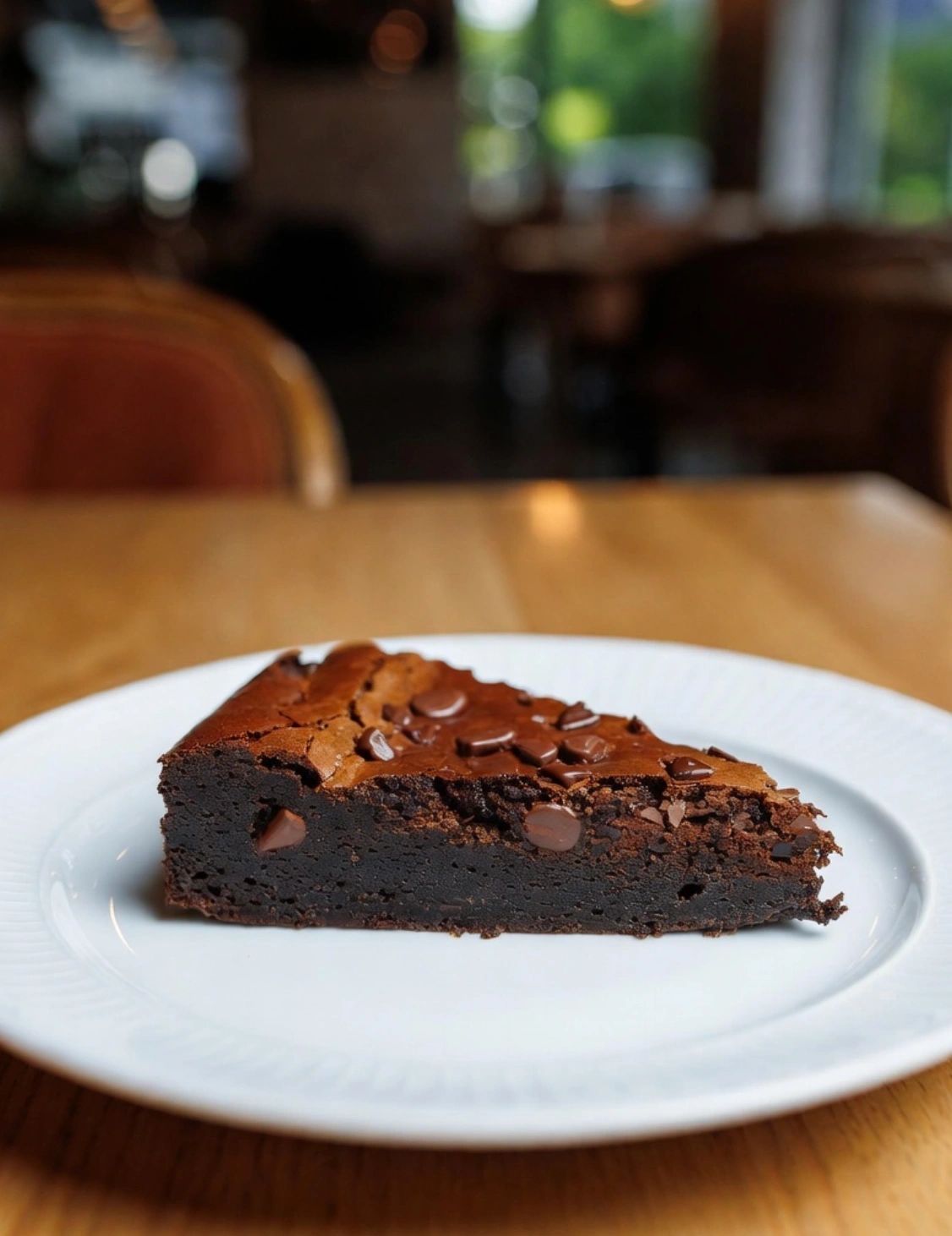
- Ingredients: 200g pitted dates (soaked in hot water), 150g almond flour, 100g cocoa powder, 3 eggs, 50g coconut oil, 1 tsp vanilla extract (pure, not imitation), a pinch of sea salt.
- Method: Blend soaked dates into a paste, mix with melted coconut oil, eggs, and vanilla. Fold in almond flour, cocoa, and salt. Bake at 180°C for 20-25 minutes. Cool and cut into squares.
- Why it works: Dates provide natural sweetness, avoiding hidden sugars. No artificial additives—just whole foods. Supplier tip: Buy dates in bulk from ethnic wholesalers like Taj Foods for cost savings.
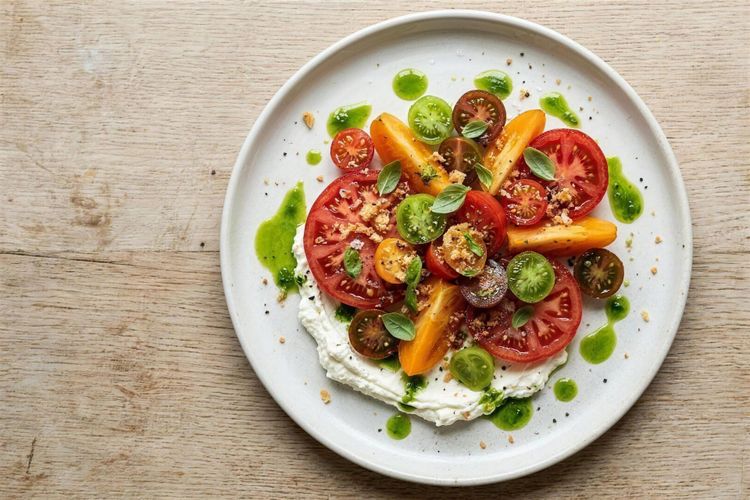
For savoury sides, processed ingredients in events like salad dressings are rife with emulsifiers and preservatives. Swap shop-bought vinaigrettes (often containing xanthan gum or modified starches) for a fresh herb dressing: Whisk olive oil, lemon juice, Dijon mustard (check for no additives), fresh herbs like basil or parsley, and a dash of apple cider vinegar. This elevates a simple green salad at corporate lunches, free from food additives to avoid in the UK.
Moving to beverages—a hotspot for hidden sugars in catering food. Fizzy drinks and cordials from giants like Coca-Cola or Robinsons pack in HFCS or sucralose. Opt for infused waters: Cucumber, mint, and lemon slices in jugs for events. Or, for a premium touch, source natural cordials from Belvoir Farms—low-sugar, additive-free. This not only promotes healthier catering menu ideas but aligns with UK trends towards mindful drinking.
Artificial preservatives are another beast. Sodium nitrates (E251) in cured meats for charcuterie boards can be swapped for naturally cured options from suppliers like The Real Cure or Duchy Originals. For breads and pastries, avoid polysorbates (E433-436) by baking in-house or partnering with artisan bakers like Gail's, who use minimal ingredients. A pro tip for busy caterers: Invest in a bread machine for small batches—it's cheaper long-term and ensures no hidden additives.
Let's talk emulsifiers and stabilisers, often in sauces or ice creams. Carrageenan (E407), linked to digestive issues, hides in many dairy alternatives. Switch to oat milk from UK brands like Minor Figures, which skips these. For a recipe: Whip up a "Clean Berry Compote" for desserts—simmer fresh berries with a squeeze of orange juice and a cinnamon stick. No thickeners needed, just natural pectin from the fruit. Serve over panna cotta at weddings for a burst of flavour without processed ingredients in events.
Supplier tips are crucial for scaling this in the UK catering industry. Build relationships with local producers via platforms like BigBarn or the Guild of Fine Food. For bulk, wholesalers like Creed Foodservice offer "clean label" ranges—request their additive-free catalogues. Certifications like Organic or Fairtrade often signal fewer hidden sugars and additives. And don't overlook farmers' markets in London or Manchester for fresh produce that bypasses processing altogether.
Implementing these swaps requires a mindset shift. Audit your current menus: List all items, identify hidden sugars in catering food, and brainstorm alternatives. Train your team—host a tasting session to compare additive-laden vs. natural versions. Clients will notice the difference so why not lead this for a positive change.
Challenges? Cost and time. Natural ingredients might seem pricier upfront, but waste less and satisfy more. For instance, using whole fruits instead of syrupy tinned versions reduces spoilage. Time-wise, prep in advance with cook-chill methods (as discussed in my earlier posts) to maintain efficiency without preservatives.
Reflecting on this, spotting and swapping hidden sugars and additives in catering menus isn't just about compliance—it's about ethics. In a post-Covid world, UK clients crave nourishment that supports wellbeing. By embracing healthier catering menu ideas, we reduce the burden of processed ingredients in events, fostering longer, happier lives for our guests.
In wrapping up, hidden sugars in catering food and food additives to avoid in the UK are pervasive, but with vigilance and creativity, we can transform our offerings. From date syrup swaps to fresh infusions, the possibilities are endless. What if your next event menu sparked compliments not just for taste, but for thoughtfulness? That's the magic we create. Thanks for joining me—drop your favourite swaps in the comments, or reach out to On The Pass Consultancy for a menu review. Together, let's make catering kinder to bodies and better for business.