Mental Health in the Hospitality Industry
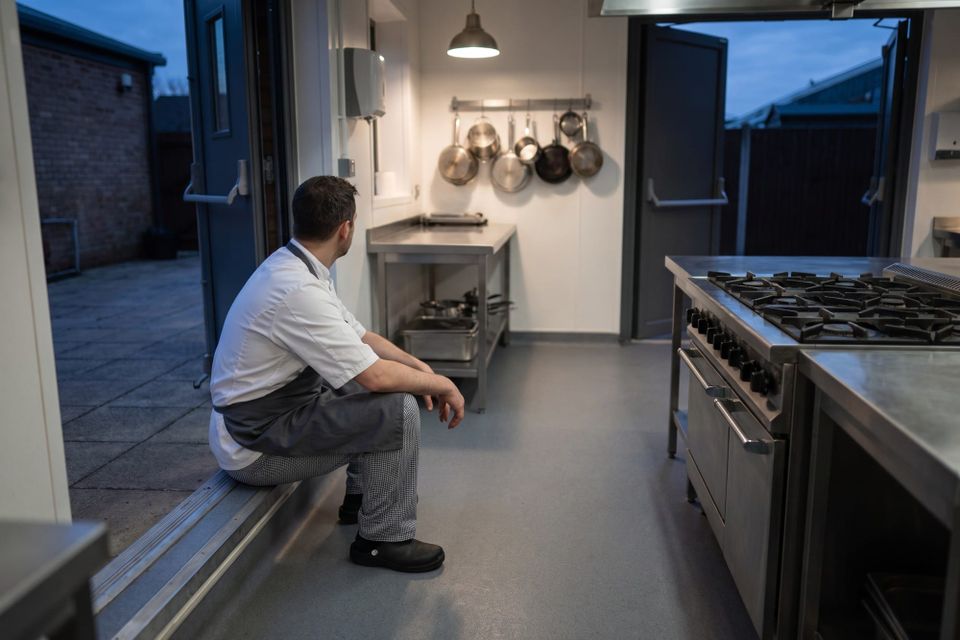
The hospitality industry is a vibrant world of human connection, where staff craft unforgettable experiences for guests, often with a warm smile regardless of the circumstances. From hectic restaurant kitchens to tranquil hotel receptions, the sector thrives on exceptional service. Yet, behind the polished facade, many workers grapple with significant mental health challenges. The high-pressure environment, long hours, and emotional demands of hospitality work can take a heavy toll, making mental health a pressing issue that demands attention.
The Unique Pressures of Hospitality Work
Hospitality is relentless. Staff often endure irregular shifts, including late nights, weekends, and bank holidays, leaving little room for rest or personal life. The expectation to remain cheerful and accommodating, even when faced with difficult customers or intense workloads, creates a culture of "the show must go on." This emotional labour—constantly managing one’s feelings to meet service standards—can lead to burnout, anxiety, and stress.
Chefs, waitstaff, and hotel workers frequently juggle multiple tasks under tight deadlines. Kitchens can be chaotic, with high temperatures and even higher tempers, while front-of-house staff navigate customer complaints and unpredictable demands. A 2019 study by Unite, the UK’s hospitality union, found that over 70% of hospitality workers reported their job negatively impacted their mental health, with stress and exhaustion being widespread concerns.
The Stigma and Silence
Despite these challenges, a stigma around mental health persists in the industry. The fast-paced, "tough it out" mentality often discourages workers from speaking up. Many fear being perceived as weak or unreliable, which could lead to job insecurity, particularly for those on seasonal or zero-hour contracts. The tight-knit teams that make hospitality rewarding can also create pressure to conform, making it feel like admitting to mental health struggles is letting the team down. This culture of stoicism can worsen conditions like depression or anxiety, as workers suffer in silence.
The Impact of COVID-19 and Beyond
The COVID-19 pandemic intensified these issues. Lockdowns, furloughs, and business closures left many hospitality workers facing financial uncertainty and isolation. Even as the industry recovered, staffing shortages and heightened customer expectations added further strain. The unpredictability of the post-pandemic landscape has left workers stretched thin, often with fewer resources to cope.
Steps Toward Change
Thankfully, awareness of mental health in hospitality is growing, and initiatives like The Burnt Chef Project are leading the charge. Founded to tackle mental health stigma in the industry, this organisation provides resources, training, and a supportive community for hospitality workers. Their work is helping to break the silence and foster a culture of openness. Here are some ways the industry, employers, and workers can build on this momentum:
- Open Conversations: Employers should create safe spaces for staff to discuss mental health without fear of judgement. Regular check-ins and access to confidential support, such as employee assistance programmes or The Burnt Chef Project’s resources, can make a significant difference.
- Training and Awareness: Managers and team leaders should be trained to recognise signs of mental health struggles and offer support. The Burnt Chef Project offers mental health awareness training tailored for hospitality, equipping staff to support colleagues effectively.
- Work-Life Balance: Rota systems that prioritise rest and predictable schedules can reduce stress. Encouraging time off and respecting boundaries is essential in an industry where overworking is often the norm.
- Peer Support Networks: Creating peer-led support groups within workplaces can foster camaraderie and provide an outlet for sharing experiences. The Burnt Chef Project’s community initiatives, such as their ambassador programme, connect workers across the industry to share stories and support one another.
- Access to Resources: Employers should partner with mental health charities or services like The Burnt Chef Project, Mind, or Hospitality Action to provide accessible support, such as counselling, helplines, or online resources tailored for hospitality workers.
A Collective Responsibility
Mental health in the hospitality industry is a collective responsibility. Employers must prioritise staff wellbeing as much as guest satisfaction, recognising that a supported workforce delivers better results. Customers can play their part by treating staff with kindness and respect, acknowledging the human behind the service. Initiatives like The Burnt Chef Project are paving the way by advocating for systemic change and providing practical tools to support mental health.
For workers, seeking help is a sign of strength, not weakness. Whether it’s reaching out to a colleague, accessing The Burnt Chef Project’s resources, or contacting a helpline, small steps can lead to meaningful change.
Conclusion
The hospitality industry is built on the passion and resilience of its people, but their mental health must not be the price of that dedication. By fostering a culture of openness, providing practical support through initiatives like The Burnt Chef Project, and challenging outdated stigmas, the sector can become a place where workers thrive, not just survive. Let’s ensure that the warmth and care hospitality professionals extend to guests are matched by the care they receive in return.
If you or someone you know is struggling, contact The Burnt Chef Project (www.theburntchefproject.com), Hospitality Action (0808 802 0282), or Mind (0300 123 3393) for support.