The History of Pie & Mash Shops in London: A True East End Legend
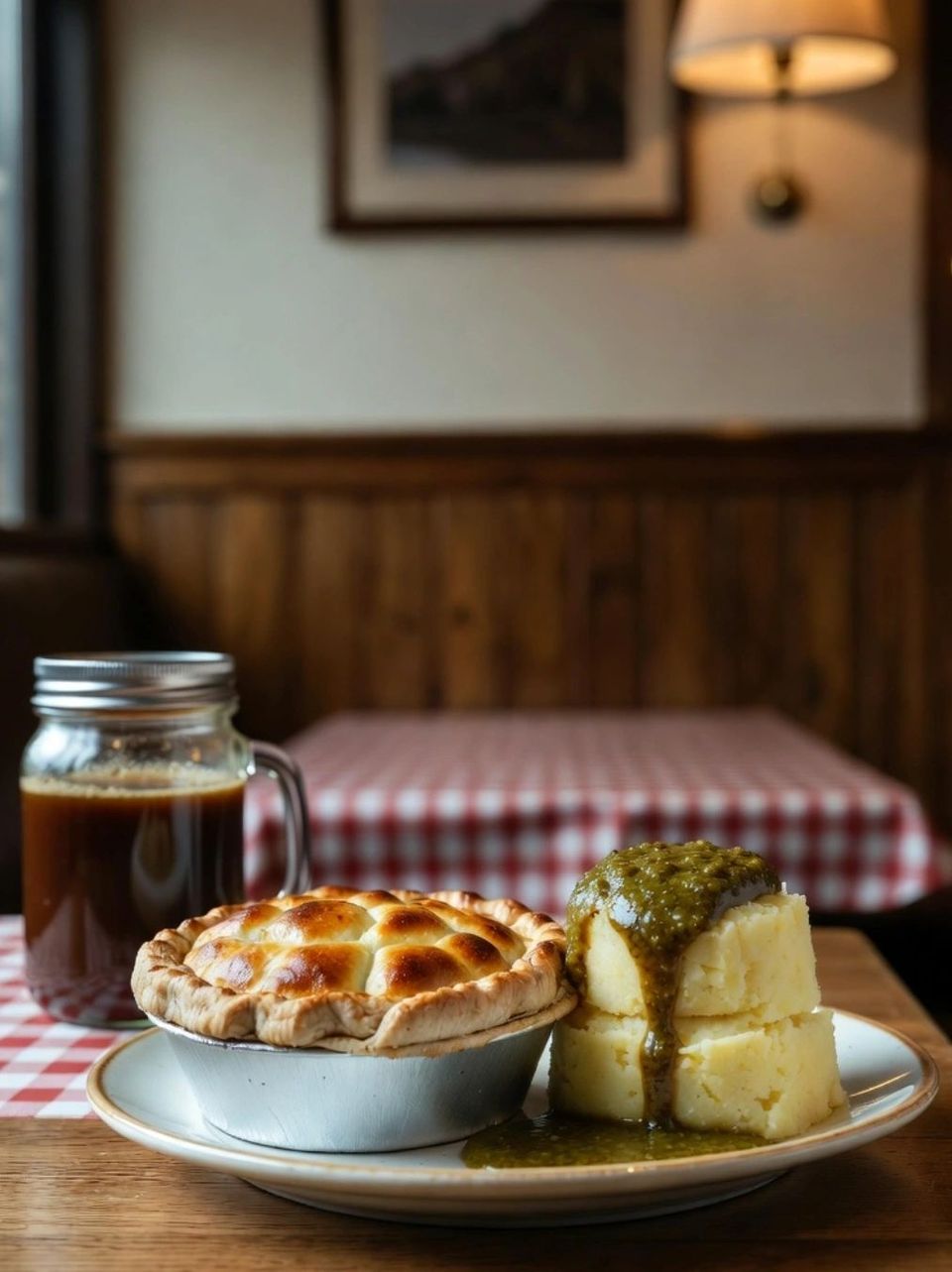
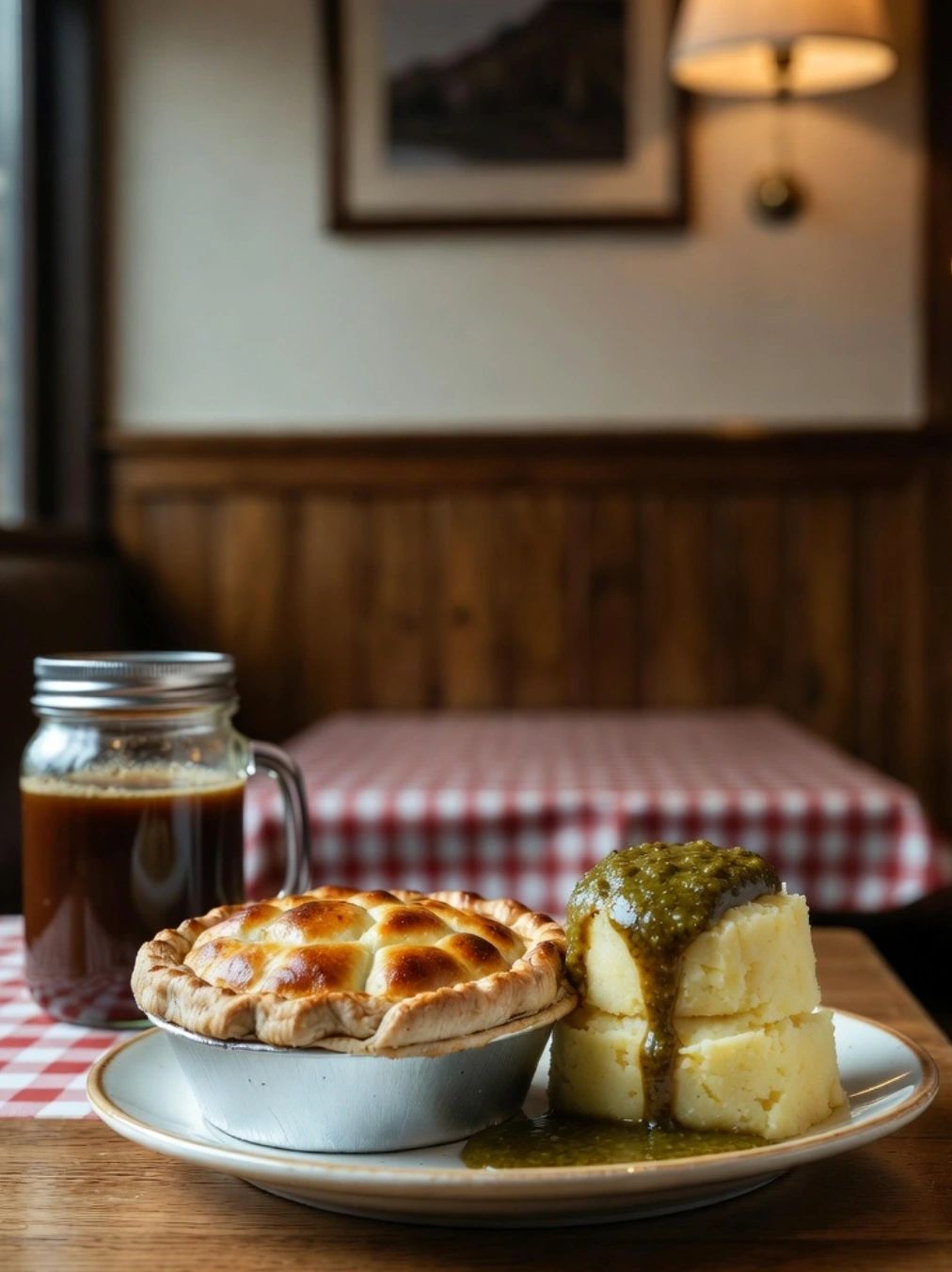
Few things say “London” quite like a steaming plate of pie & mash washed down with a mug of liquor sauce and a side of jellied eels. For over 150 years, traditional pie & mash shops have been the heartbeat of working-class London, especially in the East End. These unpretentious eateries aren’t just restaurants – they’re living history, family legacies, and one of the capital’s most beloved culinary traditions.
If you’ve ever wondered how pie and mash became London’s original fast food, who invented that bright green parsley liquor, or why jellied eels are still a thing in 2025, grab a fork (or just keep scrolling) and let’s dive into the fascinating story of London’s pie & mash shops.
The Birth of Pie & Mash: Victorian Street Food Origins
The story starts in the 19th century, when London was the biggest, busiest city on Earth. The Industrial Revolution had pulled hundreds of thousands of people into the capital, especially the docks and factories of the East End. Workers needed cheap, hot, filling food – fast.
Street sellers had been hawking meat pies since medieval times, but the modern pie & mash shop as we know it began around the 1840s–1850s. The very first recorded pie shop is widely believed to be opened by Joseph Malin on Cleveland Street, Fitzrovia (technically central London) in 1844, although several East End families hotly contest this!
What is certain is that by the 1860s and 70s, pie & mash shops were springing up across the East End like mushrooms after rain. Places like Bethnal Green, Bow, Hackney, Poplar, and Whitechapel became the spiritual home of pie and mash.
Why Eels? The Surprising Role of Jellied Eels
You can’t talk about pie & mash without mentioning jellied eels – love them or hate them.
In Victorian London, the River Thames was teeming with European eels that migrated upriver every year. They were abundant, cheap, and nutritious. Street vendors would boil the eels in seasoned stock, let the natural gelatine in their bodies set the liquid into a jelly, and sell them cold by the bowlful.
Eel & pie shops naturally merged into one-stop shops: hot pies with mash downstairs and cold jellied eels sold from a side counter. The famous green parsley “liquor” sauce? That started life as the stewed water from cooking live eels, brightened up with fresh parsley. Even today, proper liquor is still made to the same 150-year-old recipe (minus the live eels for most shops!).
The Golden Age: 1900–1950
Between 1900 and the outbreak of World War II, London had over 100 pie & mash shops. Iconic names that still exist today were founded in this era:
- Manze’s – The oldest surviving chain. The first M. Manze shop opened in 1892 on Tower Bridge Road, but the famous Deptford shop (1902) and Peckham (1920s) branches are still trading.
- Cooke’s – Founded 1862 on Broadway Market, later moved to Goldhawk Road, Shepherd’s Bush. The Cooke family claim to be the oldest continuous pie shop in London.
- F. Cooke – Different branch of the family! Opened 1900 in Hoxton, then famously on Broadway Market (now closed) and still going strong in Dalston and Chelsea.
- G. Kelly – Bethnal Green Road institution since 1937, still run by the Kelly family.
- A. E. Clark (now Clark’s) – Roman Road, Bow, since 1910.
- Castle’s (Maureen & Tony Castle) – Camden and beyond, carrying on the tradition.
These beautiful Victorian and Edwardian shopfronts are instantly recognisable: white tiles, marble counters, wooden booths, sawdust on the floor, and huge chalkboards listing prices in old money. Many of these interiors are now Grade II listed – pie & mash shops are officially part of Britain’s heritage!
Wartime and Post-War Resilience
During the Blitz, pie & mash shops became vital community hubs. When bombs destroyed homes across the East End, families queued for hot food that cost just a few pence. Many shops stayed open through air raids, serving from basements or makeshift stalls.
After the war, despite rationing and the decline of the docks, pie & mash held on. It was comfort food for a city rebuilding itself. The 1950s and 60s saw the classic “double pie and mash” with liquor become the standard order, usually with a side of jellied eels or stewed eels in winter.
The Decline – and the Fightback
From the 1970s onwards, things got tough. The docks closed, traditional industries vanished, and the East End population changed. Curry houses, kebab shops, and American fast-food chains arrived. By the early 2000s, only about 25–30 traditional pie & mash shops remained in Greater London.
Yet something remarkable happened. Londoners rediscovered their heritage. Food bloggers, TV chefs (think Jamie Oliver and the Hairy Bikers), and even international tourists started seeking out these historic eateries. Manze’s in Peckham regularly has queues out the door on Saturdays, and G. Kelly on Bethnal Green Road has become an Instagram favourite.
Pie & Mash Today in 2025
As of 2025, London still has around 20–25 genuine, family-run pie & mash shops – a miracle given modern rents and food costs. Some of the best include:
- M. Manze – Peckham, Deptford, Sutton, Islington
- G. Kelly – Bethnal Green Road & Roman Road
- F. Cooke – Dalston & Chelsea
- Castle’s – Camden Town
- Clark’s – Roman Road, Bow
- Arment’s – Westmoreland Road, Walworth
- Robins Pie & Mash – multiple locations (founded 2010 but using traditional recipes)
Most are still family-owned, several into the fifth or sixth generation. The pies are still handmade on the premises with minced beef and secret spice mixes passed down since Queen Victoria’s day. The mash is proper floury potato, the liquor is still that vivid parsley green, and yes – you can still get jellied eels (farmed now, not from the Thames!).
Why Pie & Mash Shops Matter
These aren’t just restaurants; they’re time machines. Step inside Manze’s Peckham on a Saturday lunchtime and you’re surrounded by cockney grandads, hipsters in vintage coats, tourists from Tokyo, and builders in hi-vis – all eating the same meal their great-grandparents would recognise.
In an age of avocado toast and poke bowls, pie & mash shops are a proud reminder that London’s food heritage is about ordinary people, not Michelin stars. They survived two world wars, the Blitz, containerisation of the docks, and gentrification. That’s real resilience.
Visiting a Pie & Mash Shop – Tips for First-Timers
- Order “single” (one pie) or “double” (two pies) with mash and liquor.
- Add chilli vinegar – liberally! It’s part of the ritual.
- Try the jellied eels at least once. Cold, wobbly, peppery – an acquired taste but iconic.
- Steweds (stewed eels, hot) are easier for beginners.
- Everything is eaten with a spoon and fork – no knives on the table!
The Future of London’s Pie & Mash Tradition
Younger generations of the Manze, Kelly, and Castle families are taking over, modernising just enough (contactless payments, Instagram accounts) while keeping recipes unchanged. A few new shops have even opened in recent years using traditional methods.
London’s pie & mash shops may never number in the hundreds again, but they’re no longer in danger of dying out. They’ve become cherished institutions – proof that when something is this good, this honest, and this deeply loved, it endures.
So next time you’re in the East End, follow the white tiles and the smell of beef gravy. Order a double pie and liquor, drown it in chilli vinegar, and raise a mug of tea to 180 years of London history.
Because pie & mash isn’t just food. It’s family. It’s community. It’s London.